
Midalidare’s grape varieties: Merlot in a nutshell
Published on:

1 from 1
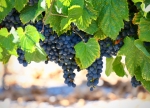
For years, the wine industry has debated the effect Sideways had on Merlot sales. Certainly, it is hard to measure whether it made Merlot famous for being bad. Regardless of the effect the movie had, the bottom line is that bad, good, and sublime Merlot exists, and because of the latter, Merlot is making a comeback. Today, producers are recognizing and reclaiming Merlot, giving it the attention needed to show its best character.
- Merlot is second-most planted grape in the entire world (Cabernet Sauvignon is number one),
- Merlot is the most planted variety in Bordeaux, its homeplace,
- It is believed that the first time the grape was used in making wine was in the late 1700s,
- Merlot is named after local black bird (called merlau/merle) who liked eating the ripe grapes on the vine,
- A grape born of the parent varieties Cabernet Franc and Magdeleine Noire des Charentes,
- Petrus, one of the most highly coveted (and counterfeited) wines on this planet is made almost entirely of Merlot,
- Merlot is a parent of the following new varieties: Carmine, Ederena, Evmolpia, Fertilia, Mamaia, Nigra and Rebo,
- Merlot has spawned a color mutation that is used commercially, a pink-skinned variety known as Merlot Gris,
- The variety known as Merlot Blanc is not a color mutation but rather an offspring variety of Merlot crossing with Folle Blanche,
- Merlot is planted in nearly every wine-producing country in the world.
1.
Merlot series
- Midalidare’s grape varieties: Merlot - The variety and the terroirs - Part 2: Merlot - Specifics of the variety and appropriate regions