
Vine pruning celebrations around the world

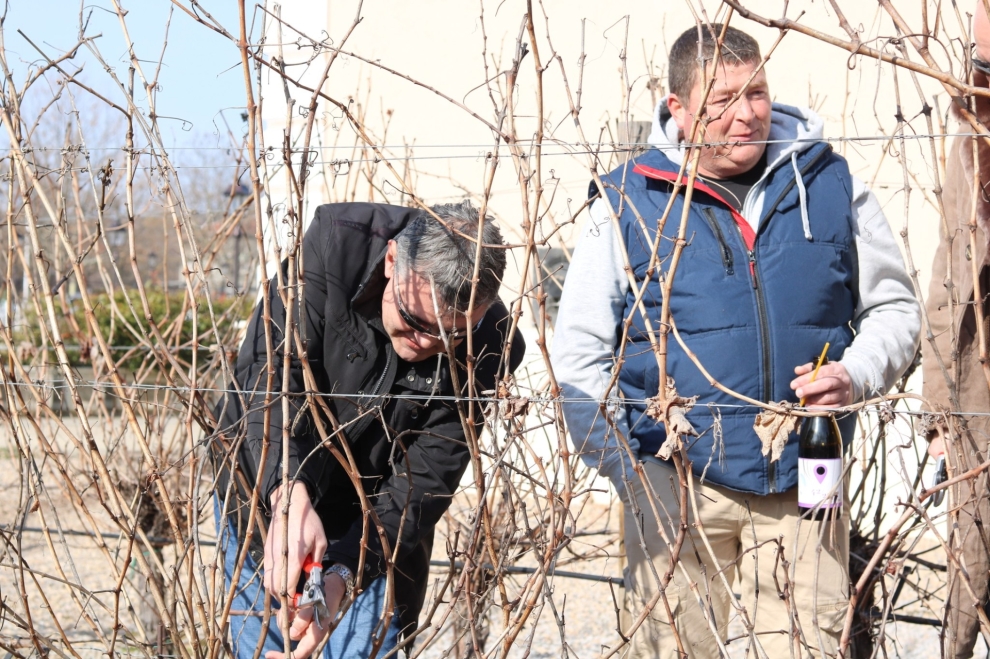
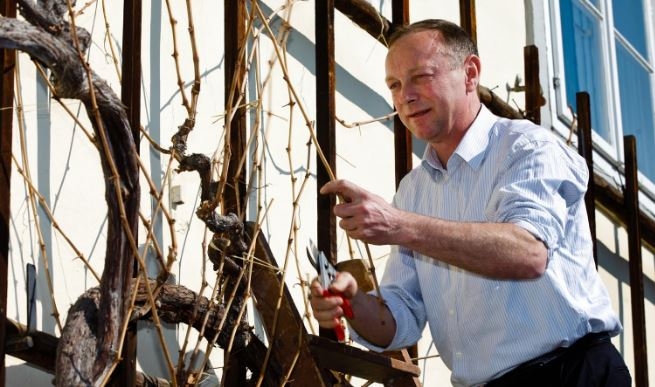
Pruning vines is absolutely crucial for maintaining plant health, managing growth, and maximizing fruit quality, as vines only produce grapes on one-year-old wood.
Around the 1st century AD, the Romans, great masters of viticulture, introduced the first pruning techniques in the Minervois region. At that time, vines were cultivated without much precision. The idea was simple: the larger the vine, the more grapes there would be. However, over the centuries, winemakers quickly discovered that pruning was the key to controlling wine production and improving its quality. Over time pruning was refined. Winemakers began to understand that each cut, each gesture, each choice of branch could influence the strength and health of the vine. The pruning method became an art, and it was this expertise that subsequent generations continued to perfect.
Being vital for wine growers around the globe, pruning start is celebrated worldwide as the most important activity for each season. Vine pruning celebrations, often aligning with early spring or late winter, blend agricultural necessity with cultural tradition to mark the start of the new wine season.
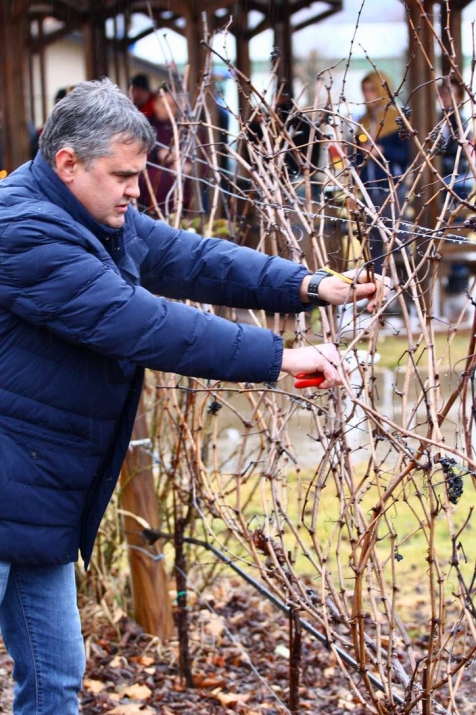
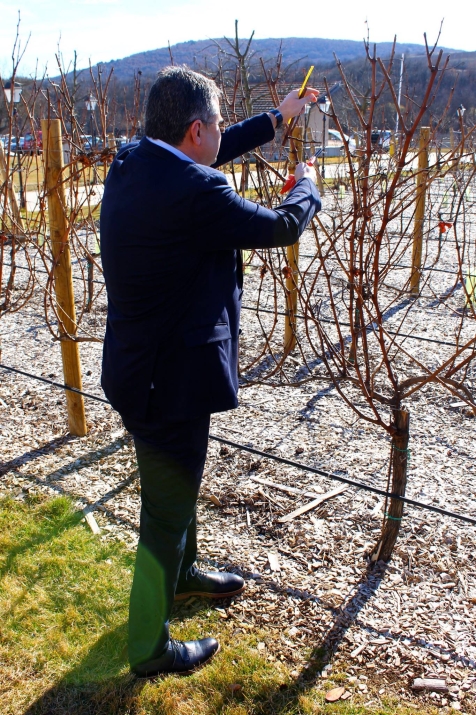
Pruning at Midalidare starts with the Cabernet Sauvignon – one of the latest-ripening variety in Mogilovo. The large temperature amplitudes, both a blessing and a curse, are a prerequisite for retaining frost and cold air over the vineyards, which leads to spring frosts and crop loss. One way to protect the vineyards is pruning, especially in view of climate change and warming in early spring, followed by cold days. The pruned vine begins its development faster, and therefore the early-ripening varieties at risk are processed as late as possible in time to slow down their growth, and we start with the late-ripening ones, which develop more slowly.
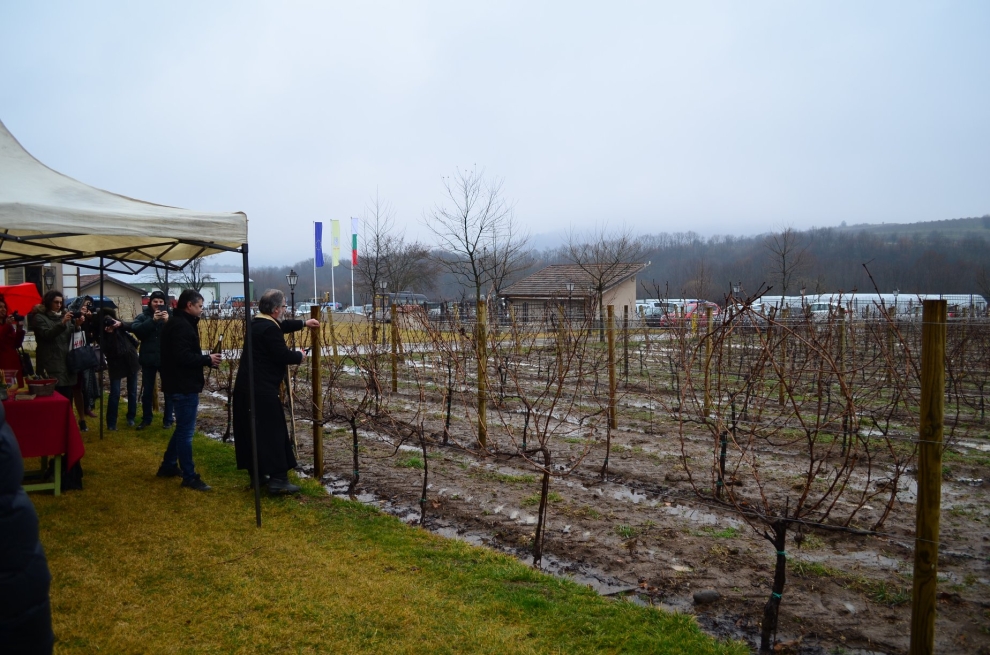
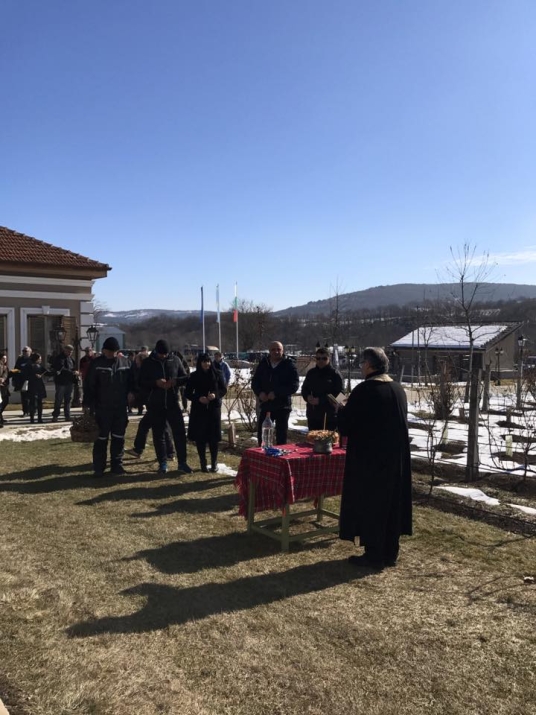
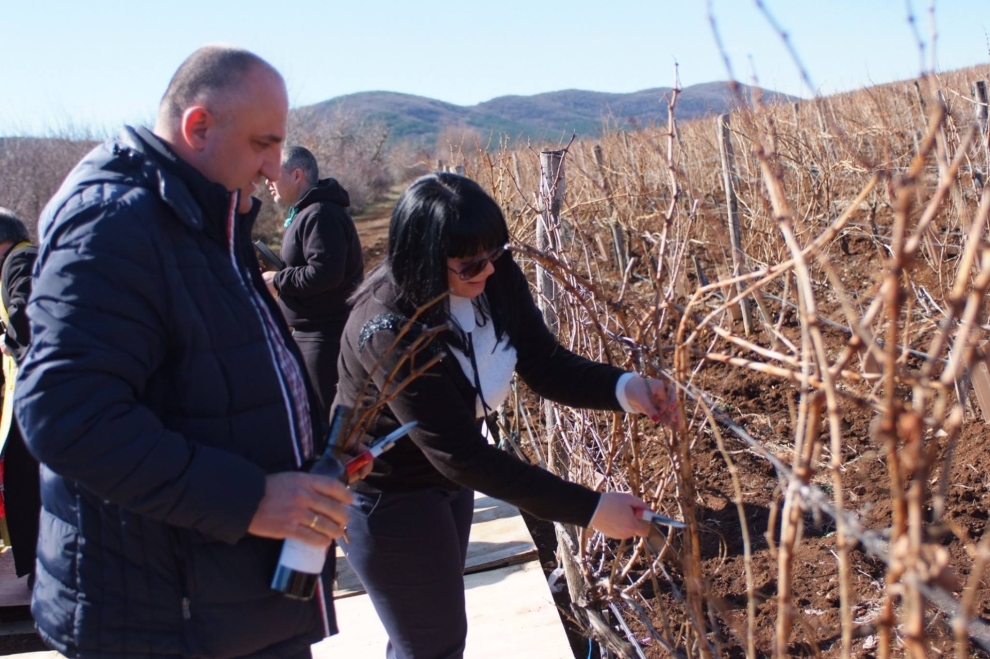
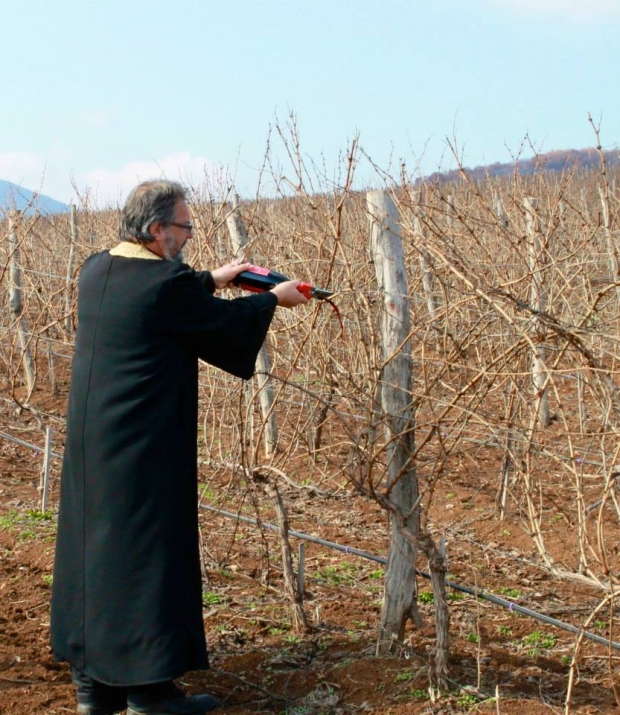
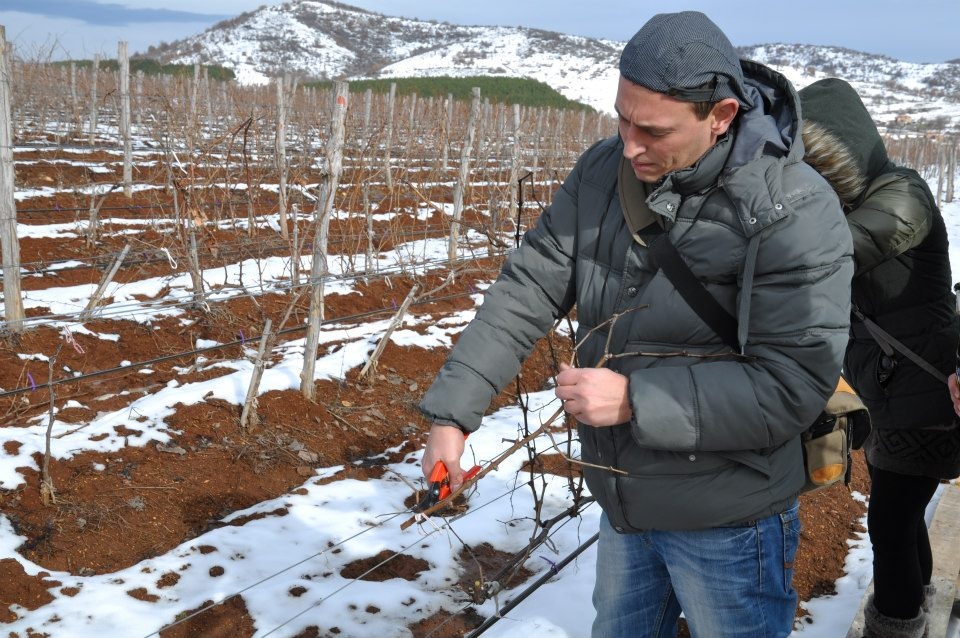
Celebrating in Bulgaria
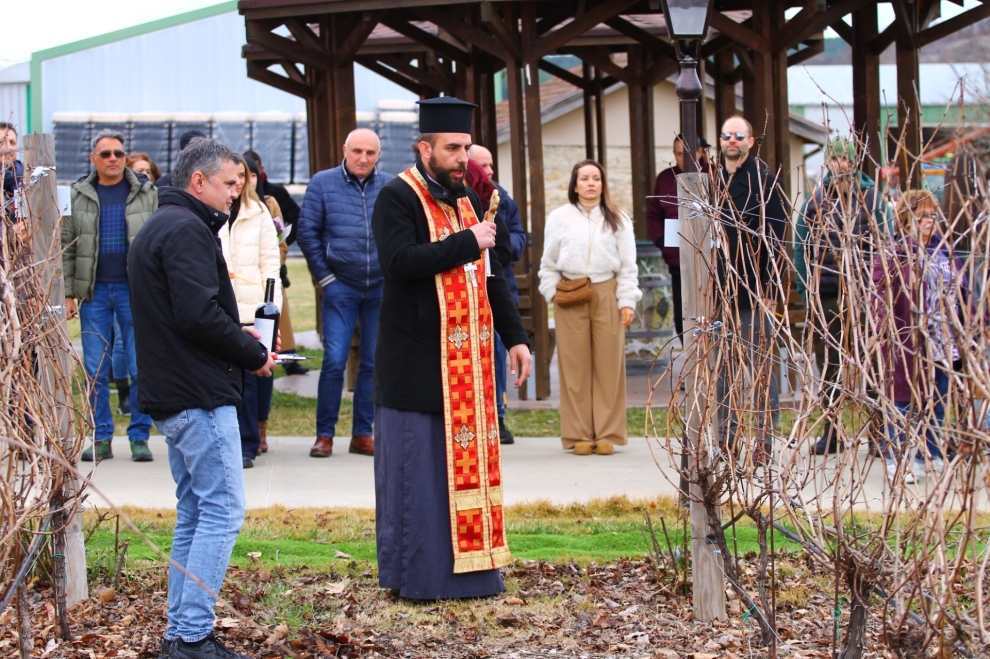
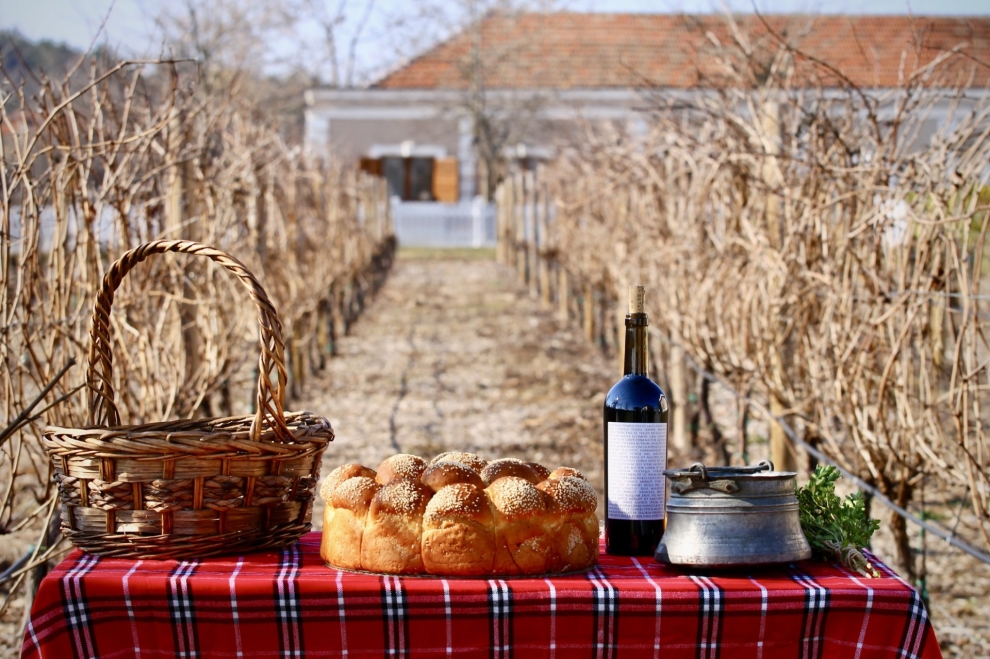
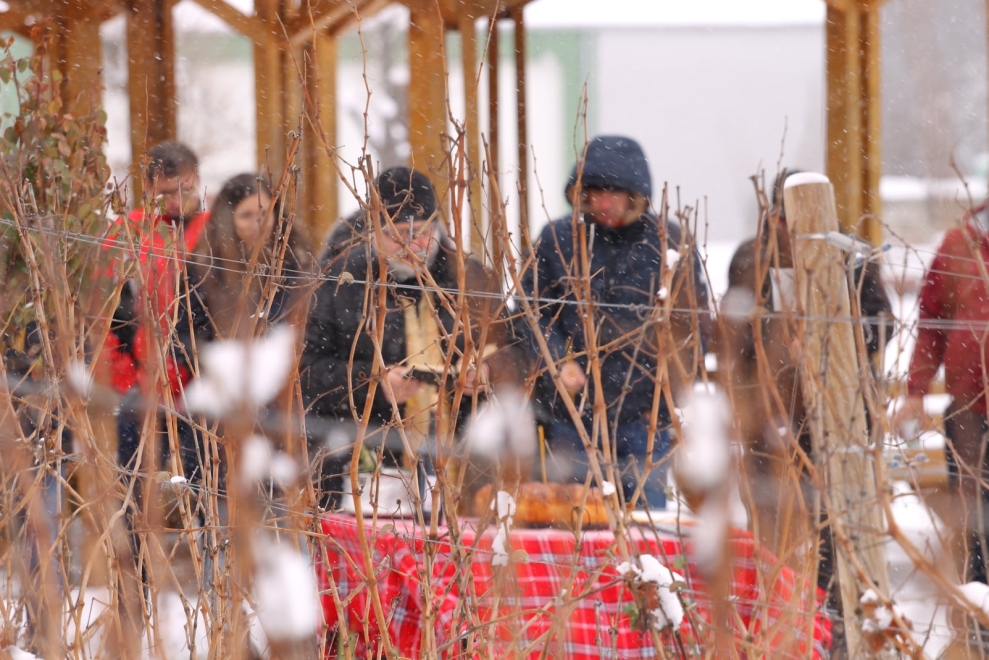
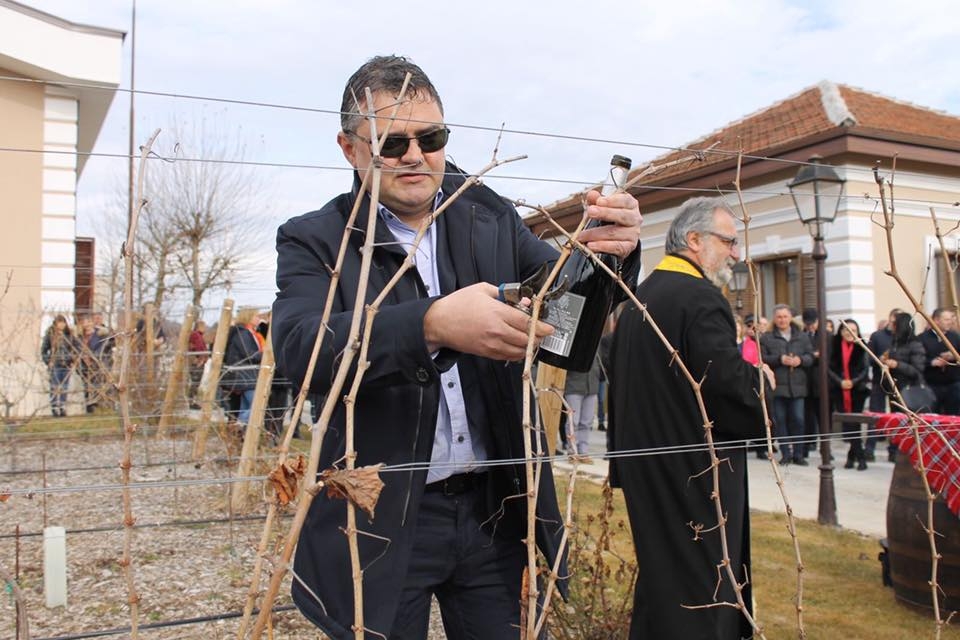
On 14th of February (or 1st of February New Style), Bulgarians celebrates the holiday of vine-growers and winemakers, known as Trifon Zarezan (Wine and Vine Day) - the Bulgarian patron saint of vineyards. Trifon Zarezan is the traditional Bulgarian wine celebration that marks the time of the year when vine-growers trim back their vines. There are many rituals performed to ensure vitality and fruitfulness.
Men set out to the vineyards to prune the vines, while women bake festive bread loaves in their houses and prepare roast chicken stuffed with rice. They put these and a flask of wine in a woolen bag and see the men to the gate. Women also knead special round loaves - a symbol of the fertile field, and generously hand them out to neighbours and relatives. Before the pruning begins, men turn to the sun and make the sign of the cross three times. After the first three twigs are cut, they wash them with the red wine, holy water and wood ashes that they had kept since Christmas Eve.
At the end of the day, all get together amongst the vines to feast. The man who harvested most grapes in the year is appointed “King”. Everyone wants to be blessed by him and treat him with their wine. The more wine is poured on that day, the more generous the next harvest is believed to be.
There are many different folklore versions of the way this Day is celebrated in different parts of the country, as well as many different legends about who Trifon was. However, ethnographers are unanimous that the celebrations are rooted in the ancient Dionysus festivities, celebrating the God of Wine, who was known to have taught people everywhere he went, how to grow vines and make wine.
Celebrating in France
The Festival of Vine Pruning: Often celebrated through the tradition of burning vine cuttings (Brûle-sarments), marks the end of winter dormancy and the beginning of the new growth cycle, frequently coinciding with St. Vincent's Day, the patron saint of winemakers. This cultural ritual symbolizes rebirth by fire and is crucial for preparing vineyards for the coming season.
Saint-Vincent Tournante: Every year at the end of January a Saint-Vincent Society welcomes all the other societies in Burgundy to its territory. During the weekend the host village or villages are decorated for this festive event. Wine growers, locals and volunteers pool their skills and give their time to organize two days of festivities in their villages and welcome visitors, wine lovers and connoisseurs.
Champagne Festival: Every year, around January 22nd, confreres from cities in the Champagne region gather to express gratitude to Saint Vincent for the past harvest and seek protection for the upcoming harvest. The procession commences with the baton of Saint Vincent, followed by the standard or statue of the patron saint of winegrowers. Parade participants don traditional costumes: bagnolets dresses for ladies and girls, and blue blouses, white aprons, and tonneau caps for men and boys. Chargers adorned with foliage and flowers, wine-growing instruments, a barrel of new wine, and a pyramid of brioches complete the scene. During this celebration, a mass is held in the city’s church, the final destination of the procession. After these ceremonies, a banquet is prepared, featuring the renowned sparkling wine.
Celebrating in Italy
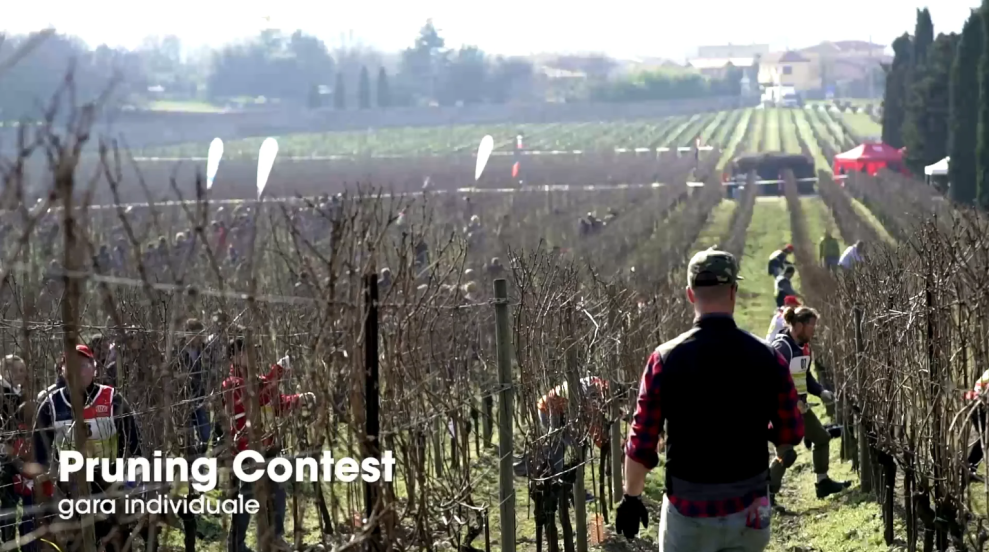
Pruning Festival (Festival del Potatore): held in Franciacorta and Tuscany, the festival celebrates the "savoir faire" of vine pruning, aiming to showcase the importance of skilled, high-quality pruning for vine health. The main attraction is the "Pruning Contest," where over 100 participants compete for accuracy and speed. The event includes a "Pruner's Breakfast," music, themed stalls, workshops with artisans, and demonstrations of traditional vineyard techniques.
Celebrating in Switzerland
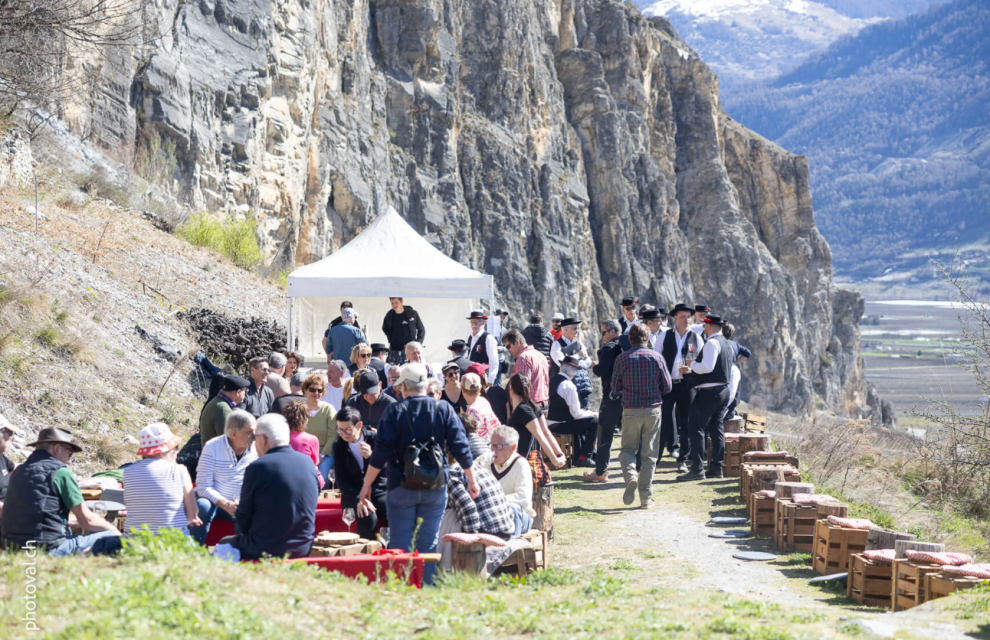
Vine pruning in Switzerland is celebrated through various local events, notably with specialized workshops and community gatherings in early spring (around late March). These events focus on traditional manual pruning techniques, often featuring competitions, demonstrations, and, for the major, rare Fête des Vignerons, a massive, once-in-a-generation celebration.
Vine Pruning Festival" in Chamoson is a convivial day in the heart of Chamoson's vineyards, featuring local produce, fine wines and good company. Chamoson's young winemakers are getting involved in the organization of this emblematic festival and are breathing new life into the event. Driven by their passion for wine and their desire to share their vision of viticulture, they invite you to enjoy a stroll through the vineyard, an introduction to pruning and a country-style meal accompanied by Chamoson wines.
Celebrating in Slovenia
Pruning of the Old Vine, Maribor: As part of the Old Vine Festival, the 400+ year-old Žametovka vine is ceremoniously pruned by the city vinedresser, featuring a cultural program. Old Vine is the oldest living specimen on our planet of a noble grape vine that still bears grapes! With an age of over 400 years, it is registered in the Guinness Book of Records. The 35 to 55 kg symbolic annual grape harvest is bottled in 2,5 dcl glass bottles, designed by the famous artist Oskar Kogoj, that represent a precious protocol gift – annually more than 100 bottles are filled. The pruning of the Old Vine has grown into a resounding event, which is part of a cycle of events that are dedicated to the Old Vine. The cycle ends with the ceremonious gathering of the Old Vine’s grapes. An attractive cultural program draws people to the bank of the river Drava and every year there is a greater number of visitors.
Celebrating in Greece
The Feast of Saint Trifonas (Tryphon) is celebrated in Greece on February 1st as the patron saint of gardeners, farmers, and particularly vine growers. It marks the start of the winter pruning season, where vines are blessed with holy water for protection against disease and pests. Traditions include special church services, sharing boiled beef (Kourbania), and, in some regions, symbolic pruning.
Vine pruning celebrations around the world
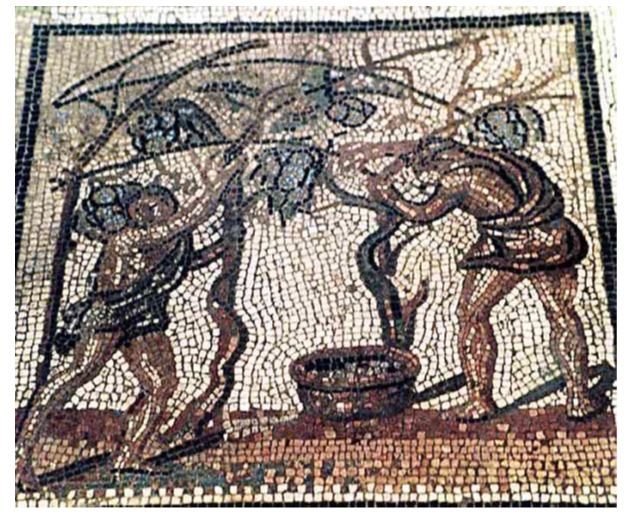
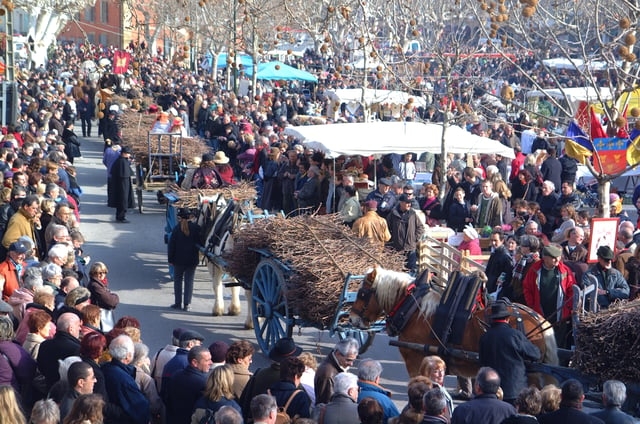
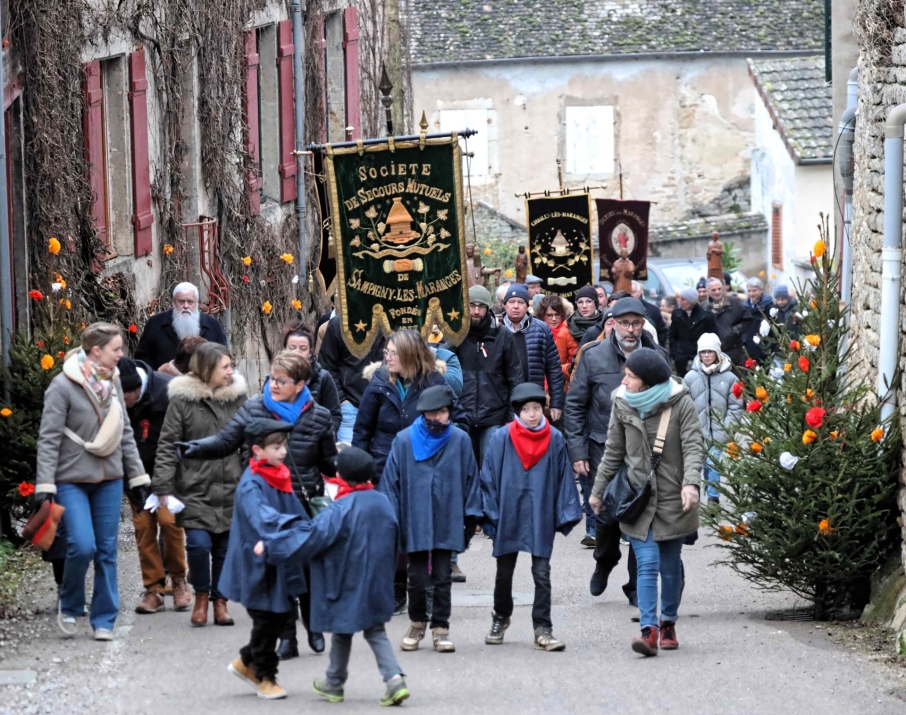
Celebrating in Australia
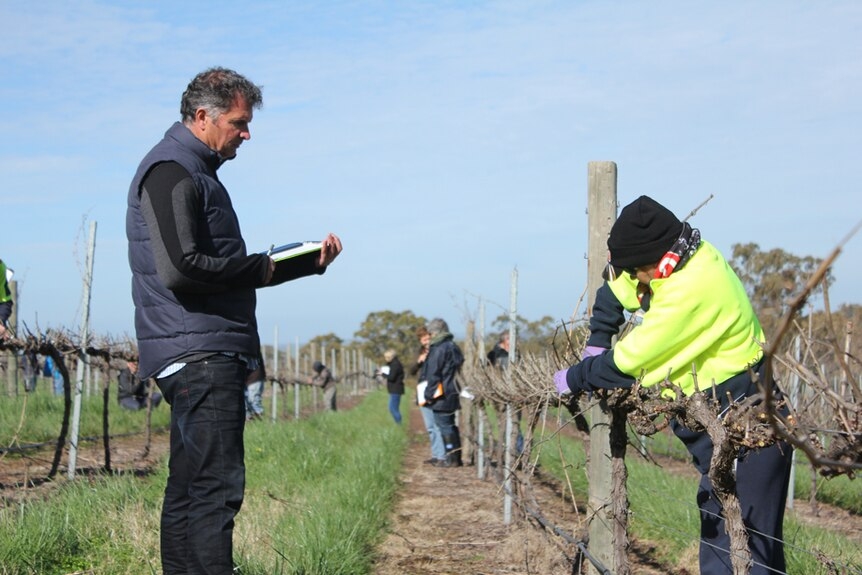
The South Australian State Pruning Championships are a premier annual event for the wine industry, traditionally held in the Clare Valley, featuring competitions in Individual Spur, Individual Rod & Spur, and Team Spur categories. The event shows top viticultural skills, speed, and precision.
Celebrating in New Zealand
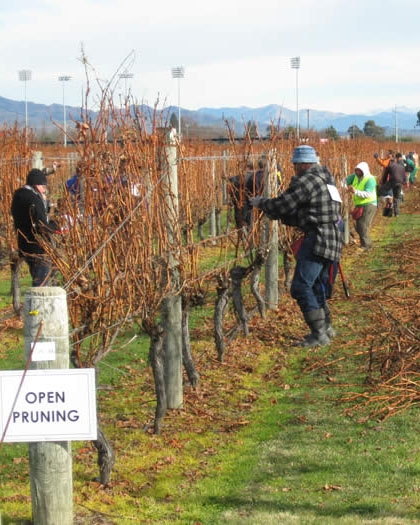
Vine pruning in New Zealand is a crucial winter (June–August) activity, celebrated through high-skill, competitive events like the Marlborough's Silver Secateurs competition and NGV Workshops. These gatherings celebrate viticulture, promote best practices, turning the essential vineyard maintenance into a skilled, social, and vibrant community event.
Silver Secateurs Competitions: These regional, and sometimes national, competitions (e.g., in Marlborough and Wairarapa) highlight speed, precision, and technique in cane or spur pruning.
Educational Workshops: New Zealand Winegrowers (NZW) and the Bragato Research Institute (BRI) hold winter workshops, such as the NGV (Next Generation Viticulture) sessions, to teach innovative, efficient, and sustainable pruning techniques, including new vertical cordon systems.
Celebrating in South Africa
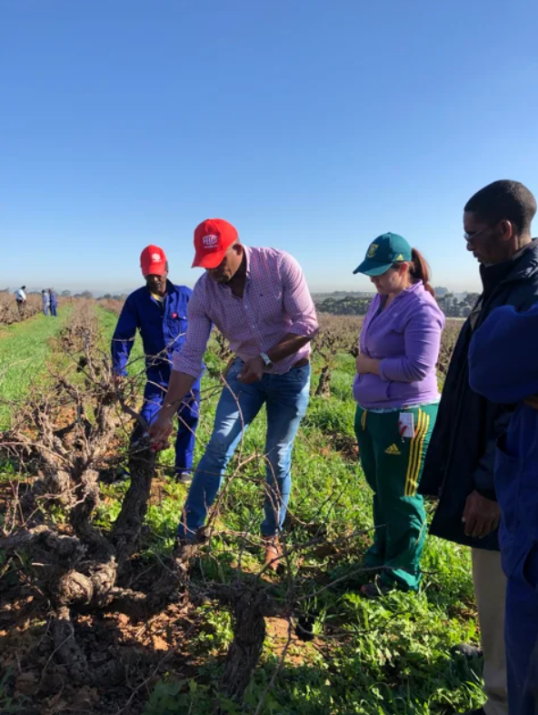
The South Africa Wine Pruning Competition is an annual competition with regional qualifying events (Paarl, Olifants River, Robertson, Stellenbosch) culminating in a final, usually in late August, to showcase the technical skills and speed of pruners. Specialized training courses Old Vine Project are focusing on pruning older vines (some dating back to the 1950s) with care, ensuring they are not overloaded and age gracefully. Institutions like Stellenbosch University, often in collaboration with experts like Simonit&Sirch, offer specialized 3-day pruning courses to teach scientific, sustainable methods. Pruning is a critical period in regions like Stellenbosch, Swartland, and the Orange River, often beginning in July and continuing into August, when the vines are dormant. The process involves removing up to 90% of the previous year's growth to ensure optimal, high-quality yields in the coming season.
Explore our blog
- Blend & Trend: Popular wine blends by Midalidare - Trendy blending styles
- Classic wine blends - Wine Classics from the Old World
- Sauvignon Blanc vs Chardonnay - Two great white varieties side by side
- Aromatic white grapes - Scent explosion in a glass of white wine
- Carbonic Maceration - Fermentation technique in a completely anaerobic atmosphere
- Cane Cut technique - New name for an old tradition
- Sparkling Wine Guide - Sparkling winemaking - Methods for sparkling winemaking
- Sparkling Wine Guide - Traditional sparkling winemaking - The Champagne method
- Sparkling wine guide – Food pairing - Champagne & Sparkling wine food pairing
- Sparkling Wine Guide: Pas Dosé - Sparkling wine with no added sugar
- Sparkling Wine Guide: Blanc de Noirs - A full-bodied, heady Sparkling
- Wine & Glass pairing: Do specific wine glasses make a difference? - Do specific wine glasses make a difference?
- Wine & Glass pairing: Guide to different types of wine glasses with stem - Anatomy - Part 1: Anatomy of a wine glass
- Wine & Glass pairing: Guide to different types of wine glasses with stem - Part 2: Different types of wine glasses
- Wine & Glass pairing: Rose Wine Glasses - Flared Lip Rose Wine Glass
- Wine & Glass pairing: Rose Wine Glasses - Slight Taper Rose Glass
- Wine & Glass pairing: White Wine Glasses - Sauvignon Blanc Wine Glass
- Wine & Glass pairing: White wine glasses - Unoaked Chardonnay Wine Glass
- Wine & Glass pairing: White wine glasses - Оaked Chardonnay Wine Glass
- Wine & Glass pairing: White wine glasses - Riesling Wine Glass
- Wine & Glass pairing: Red wine glasses - Cabernet/Merlot Wine Glass
- Wine & Glass pairing: Sparkling Wine Glasses - Basic types of Champagne and Sparkling wine glasses
- Wine & Glass pairing: Red wine glasses - Old-world style Syrah
- Pinot Noir in Central Otago - What sets Central Otago's Pinot Noir apart from other regions?
- Midalidare’s grape varieties: Mourvedre - Part 1: The variety
- Midalidare’s grape varieties: Mourvedre - Part 2: The terroirs
- Midalidare’s grape varieties: Mourvedre - Part 3: The wines
- Midalidare’s grape varieties: Mourvedre - Part 4: Serving and storage
- Midalidare’s grape varieties: Mourvedre - Part 5: Food pairing
- Midalidare’s grape varieties: Sauvignon Blanc in a nutshell - Part 1: Essential information about Sauvignon Blanc
- Midalidare’s grape varieties: Sauvignon Blanc - The variety and the terroirs - Part 2: Sauvignon Blanc - Specifics of the variety and appropriate regions
- Midalidare’s grape varieties: Chardonnay - The variety and the terroirs - Part 2: Chardonnay - Specifics of the variety and appropriate regions
- Midalidare’s grape varieties: Merlot in a nutshell - Part 1: Essential information about Merlot
- Midalidare’s grape varieties: Merlot - The variety and the terroirs - Part 2: Merlot - Specifics of the variety and appropriate regions
- Midalidare’s grape varieties: Tannat in a nutshell - Part 1: Essential information about Tannat
- Midalidare’s grape varieties: Tannat – The variety and the terroirs - Part 2: Tannat – Specifics of the variety and appropriate regions
- Midalidare’s grape varieties: Tannat – Wines & winemaking - Part 3: Tannat – Styles of wines and winemaking techniques
- Midalidare’s grape varieties: Tannat - Wine & dine - Part 4: How to serve, store and pair Tannat wine with food
- Midalidare’s grape varieties: Syrah in a nutshell - Part 1: Essential information about Syrah