
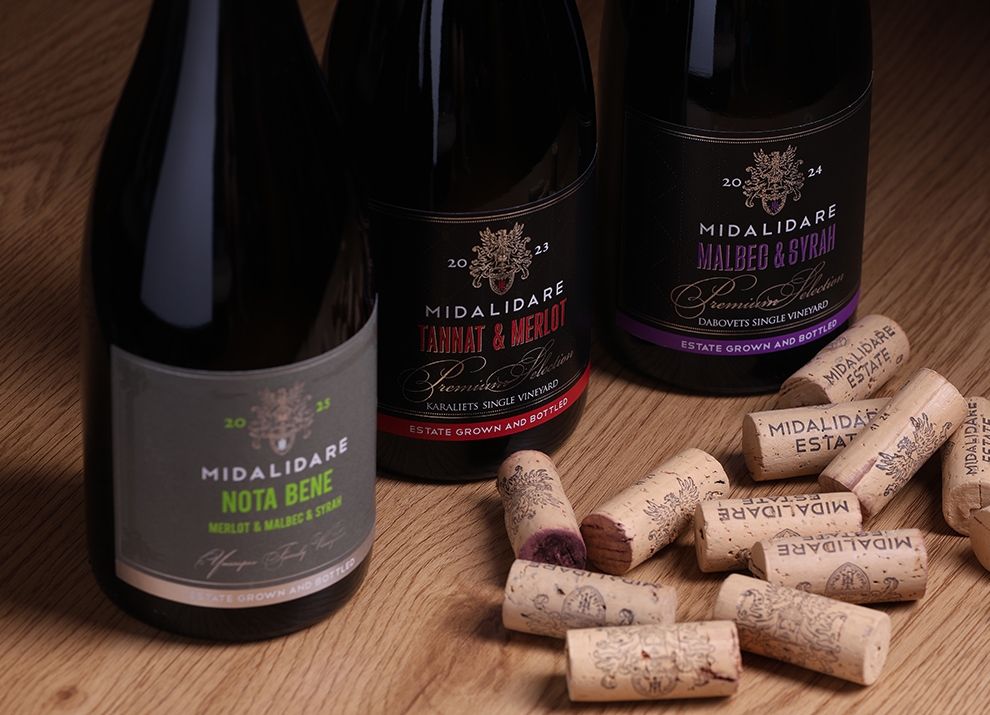
Blend & Trend: Trendy wine blends by Midalidare, vol. 2
When tradition meets innovation and classic Old World interweaves with the trendy New World...

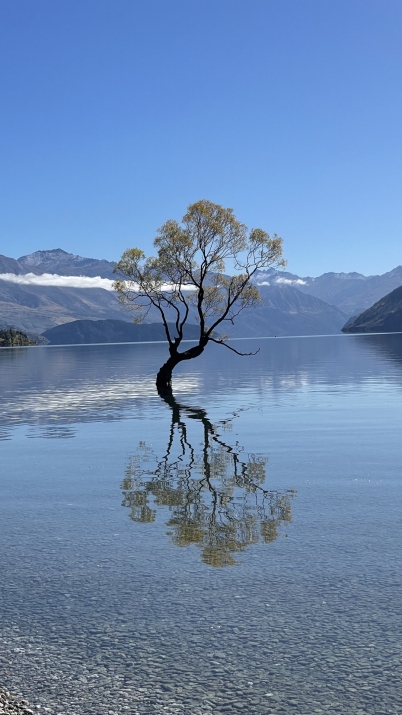
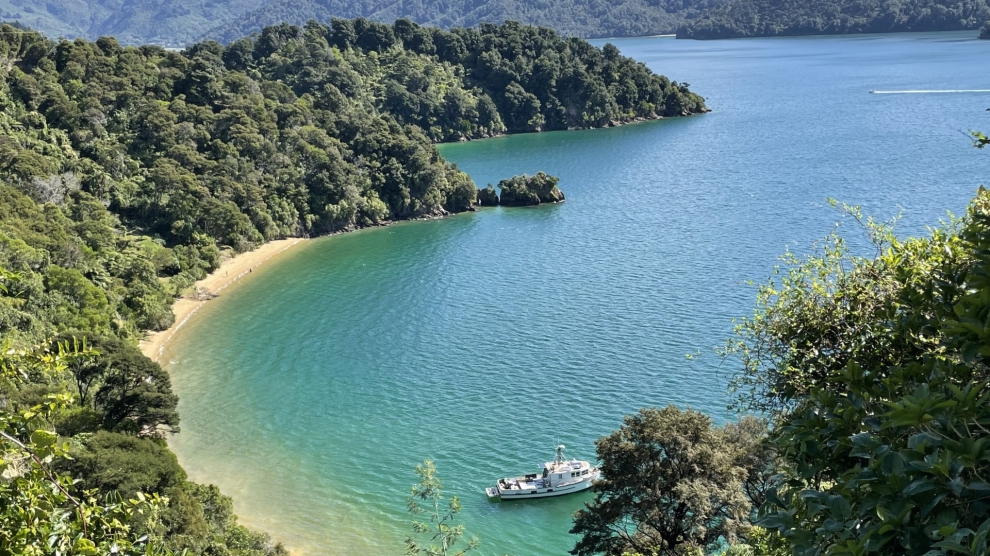
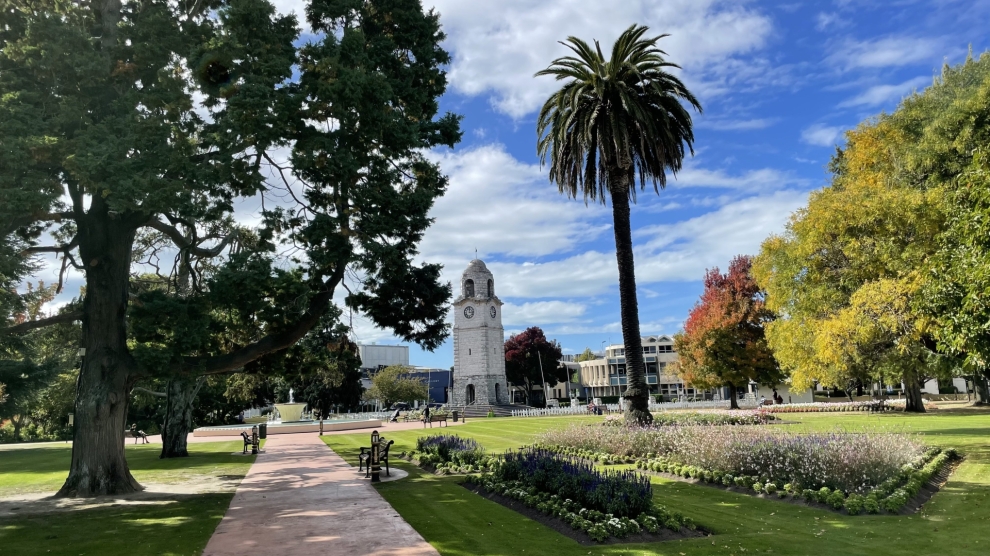
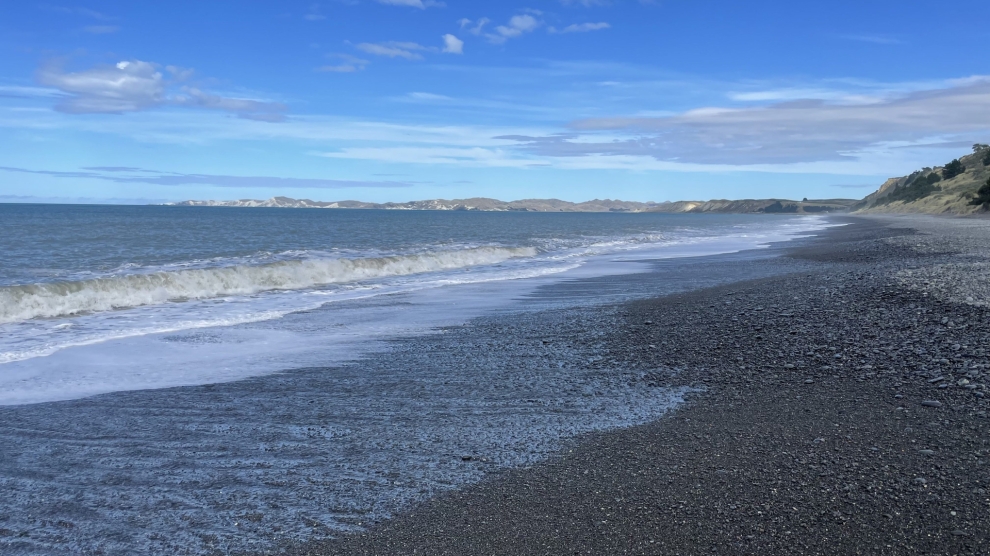
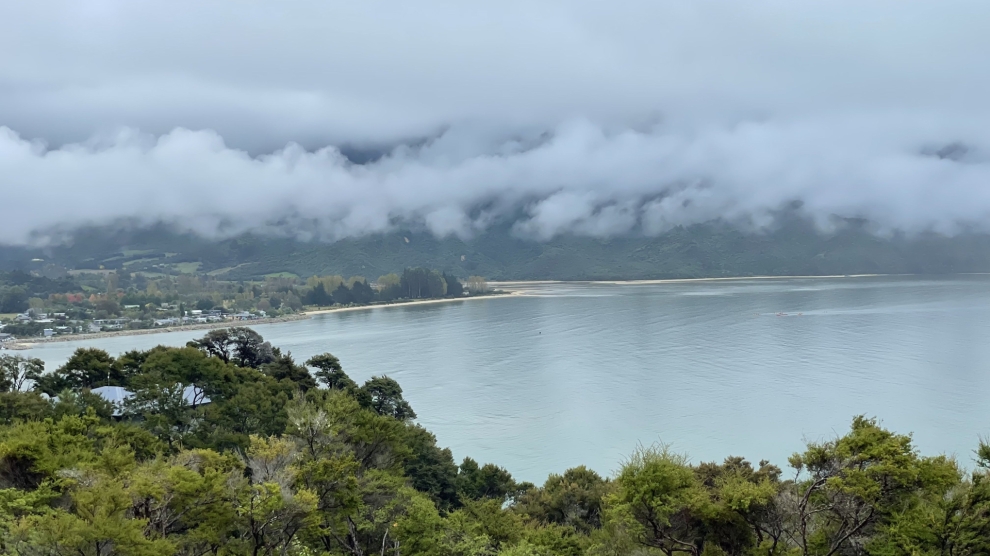
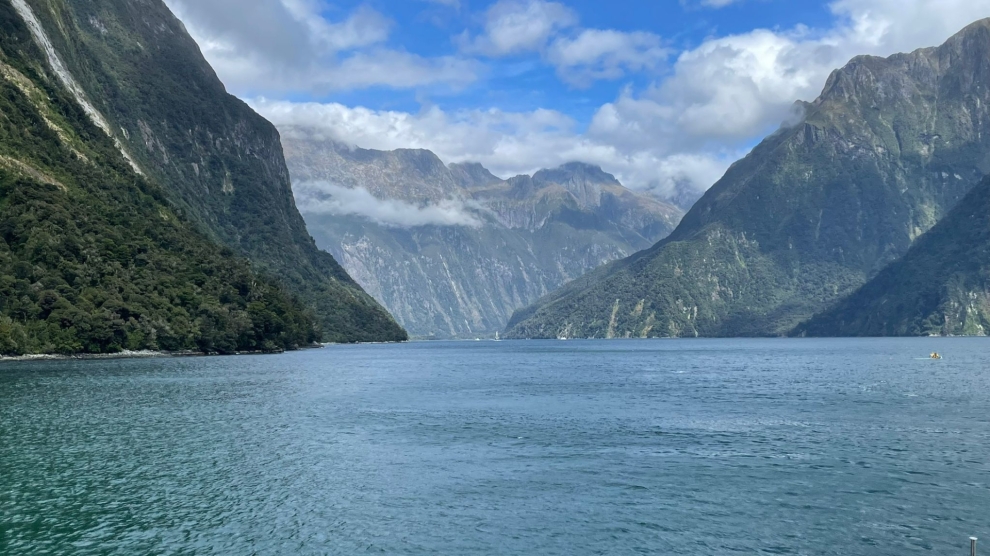
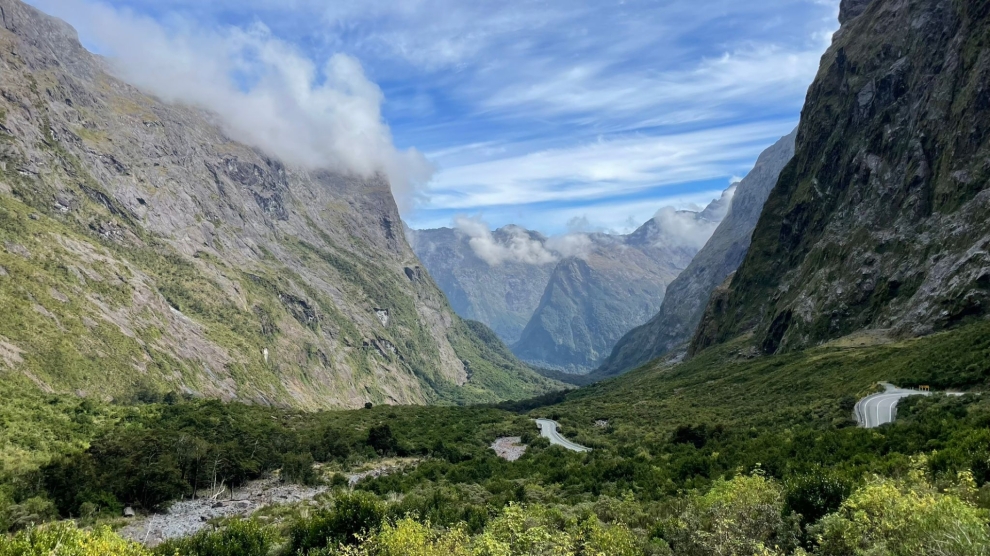
The story of Midalidare New Zealand actually begins even before the establishment of the Midalidare winery in Bulgaria as one of those cherished desires that we place in the realm of the impossible, but we never stop dreaming about. Two people, independently of each other and over the years, choose New Zealand as the place where they would like to leave a mark. Destiny, however, decides to bring these visionaries together as a team when laying the foundations of Midalidare in the village of Mogilovo. In addition to dreams, these two people have the knowledge and courage to take such a big step. And so, word by word, step by step, the desire turns into a dream, the dream into a plan, the plan into a project and the project into reality.
In 2022, the company Midalidare New Zealand Limited was launched. We successfully completed three campaigns and in 2026 we launch the fourth with an eye on the more distant future and more confidence that we have made the right decision.
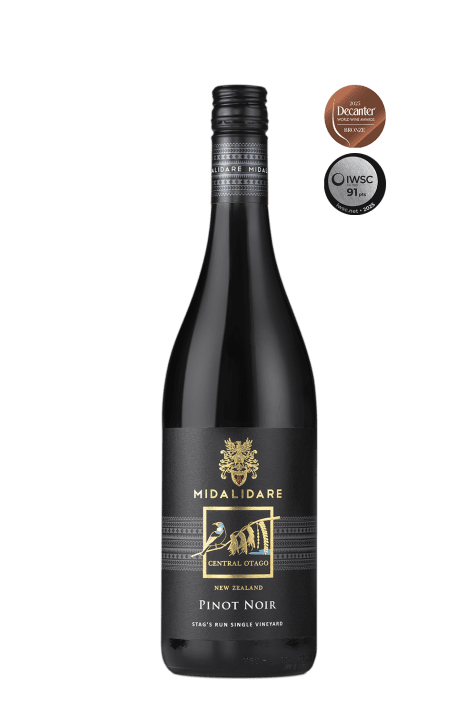

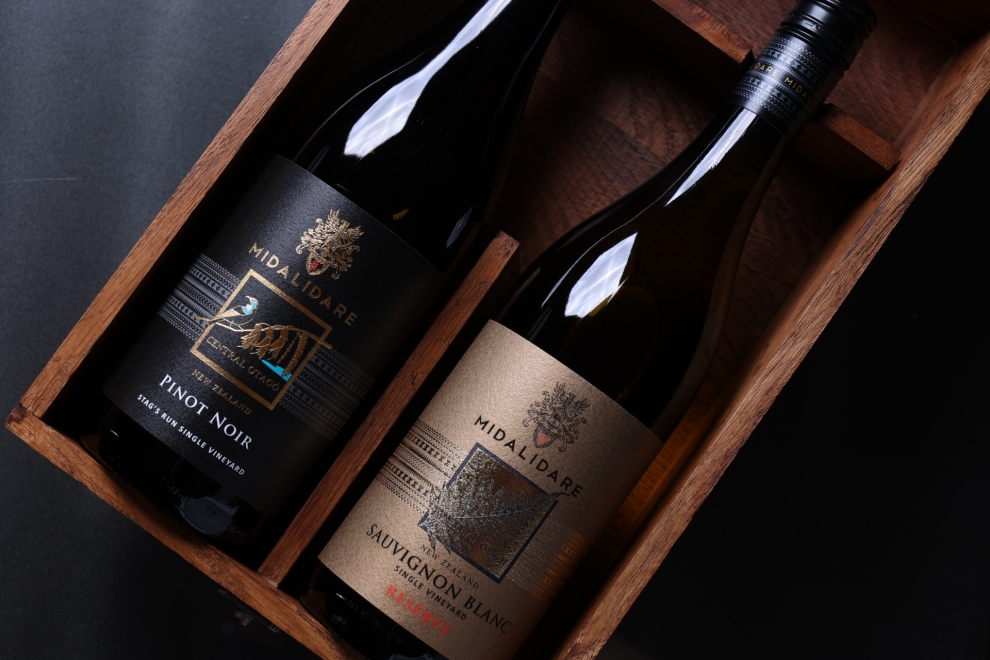
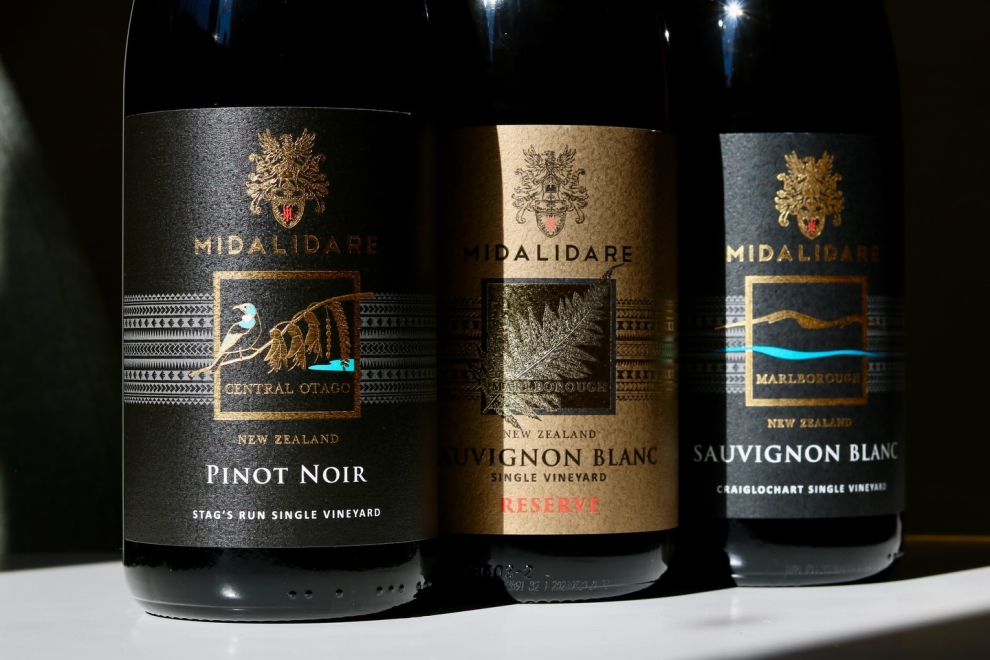
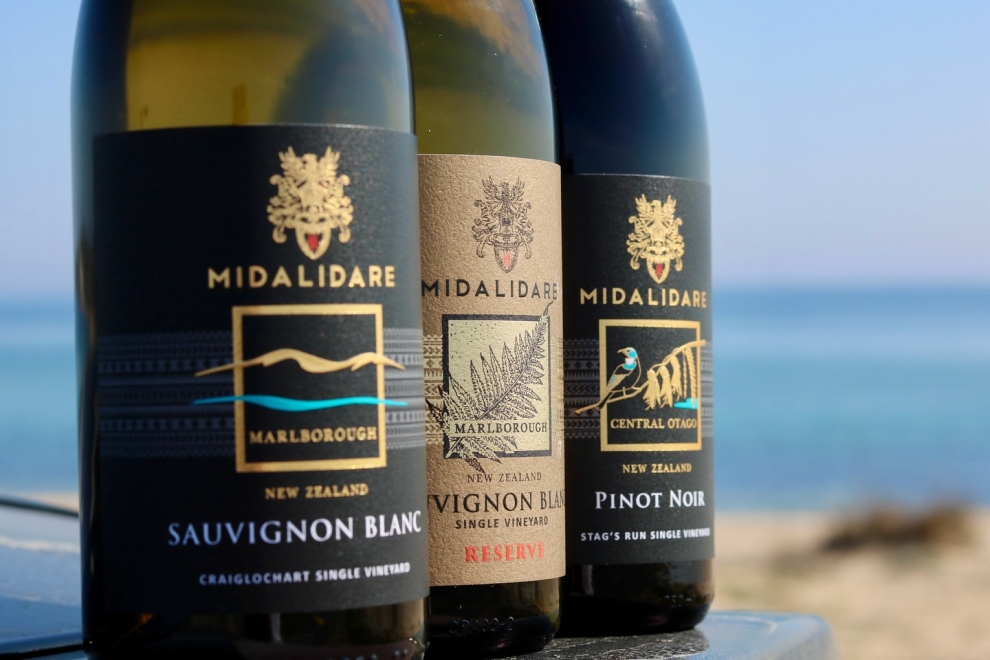
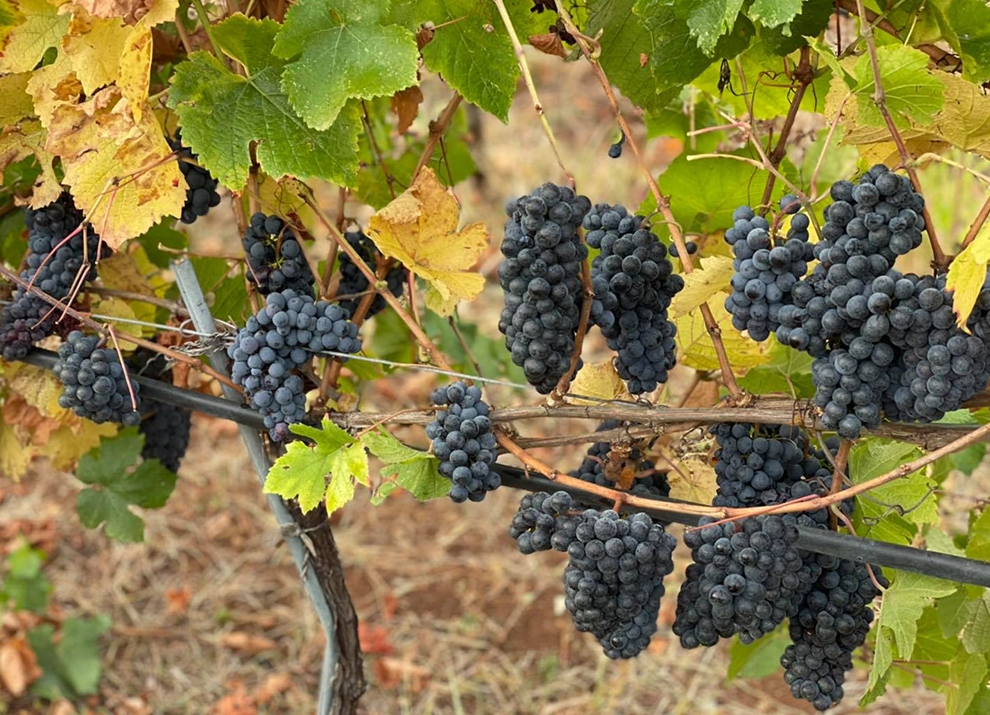
Midalidare NZ Central Otago Single Vineyard Stags Run Pinot Noir is an atypical Pinot Noir from Central Otago and New Zealand in general. Full-body, soft tannins and an extremely intense fruit profile are the hallmarks of the wine: aromas of black cherry, berries and hints of violet and a flavour dominated by wild plum and dried herbs. The wine pairs well with a wide range of dishes, including game meat, poultry and roasted vegetables. The noticeable acidity and low tannin make it suitable for oily fish and rich, creamy sauces. A great choice for an enoteca - the wine can age in bottle for 10 years or more.
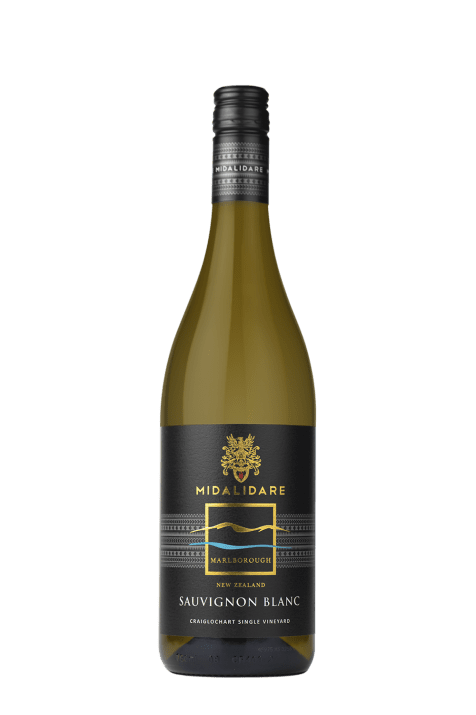
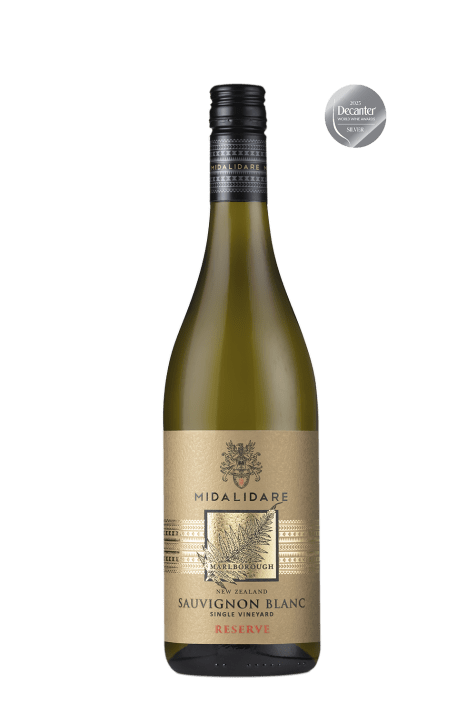
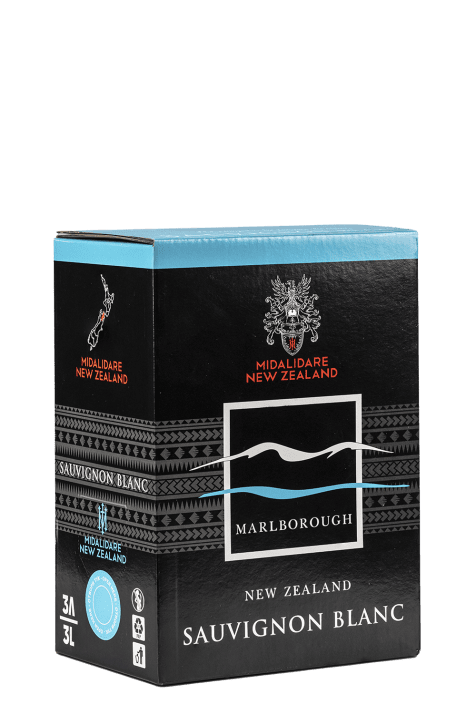
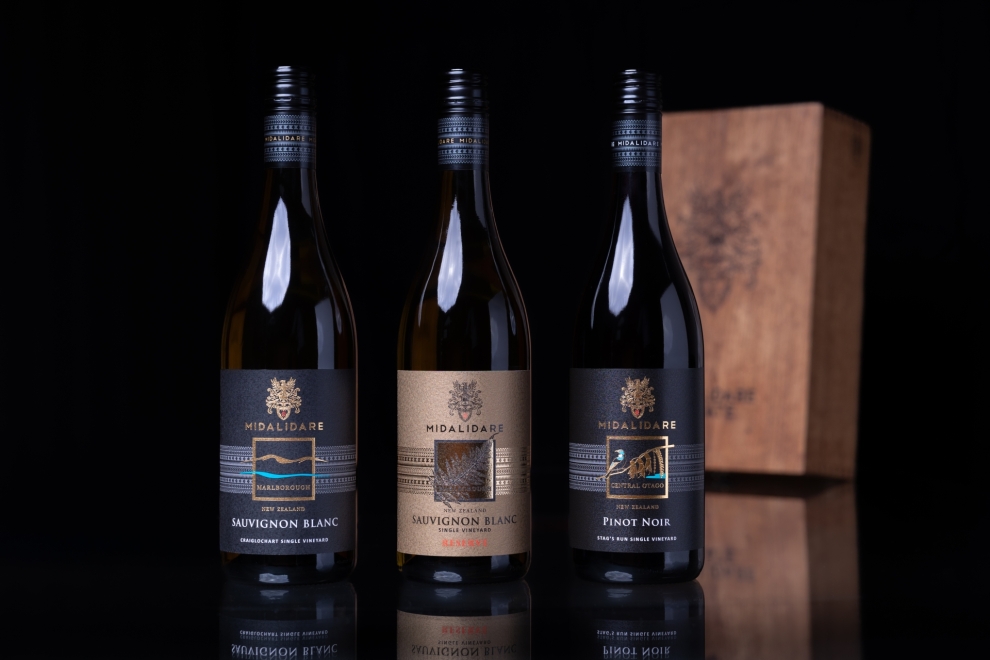
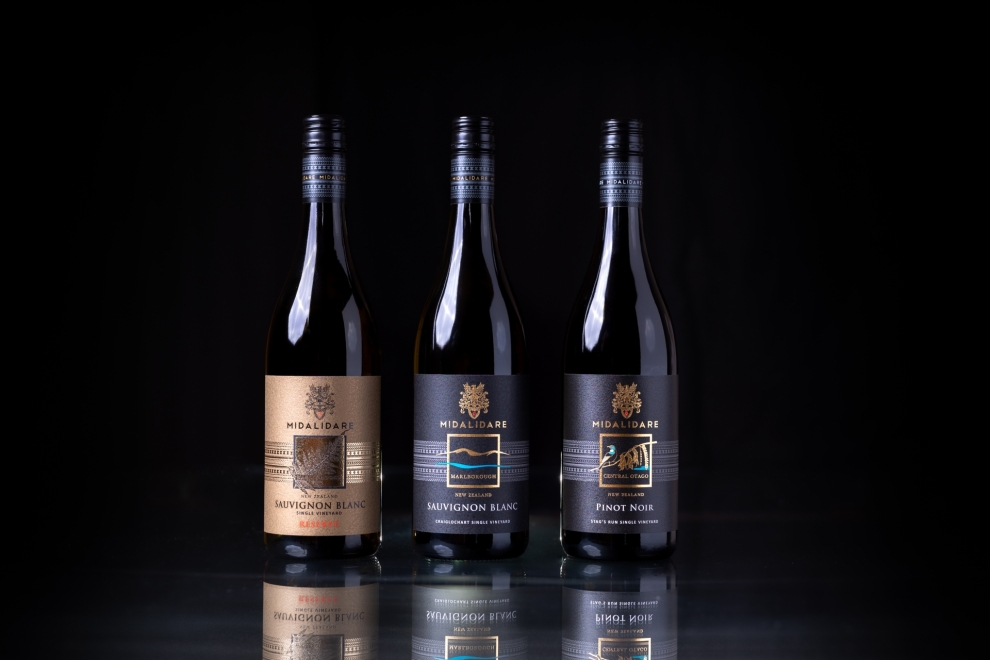
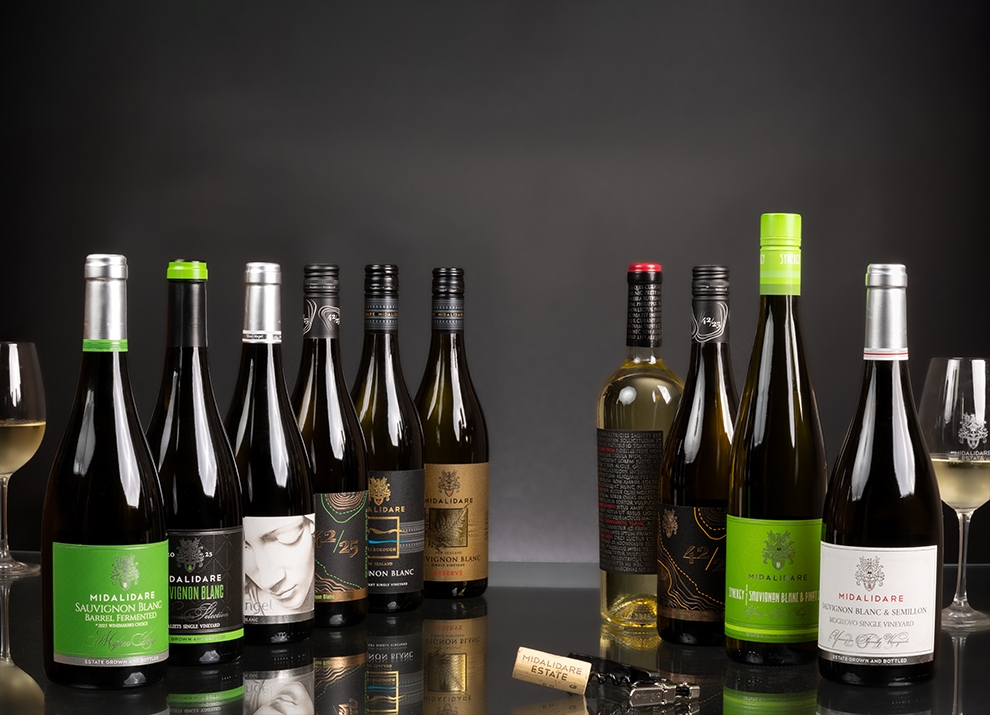
Both wines Midalidare NZ Marlborough Single Vineyard Craiglochart Sauvignon Blanc Reserve and Midalidare NZ Marlborough Single Vineyard Craiglochart Sauvignon Blanc are produced from grapes from the same vineyard – Craiglochart. Why is one a Reserve and what is the difference between them?
When considering and launching the project, we did not foresee producing two wines from Marlborough. The idea was born by itself, when in 2024, during a vineyard examination, our team noticed not only an expected very good harvest, but also exceptional indicators of the grapes in the highest block, on the top rows of the plantation. And since these are also the grapes that first reached optimal ripeness and are of the highest quality, the designation as Reserve was the logical choice.
Midalidare NZ Marlborough Single Vineyard Craiglochart Sauvignon Blanc Reserve is produced from the highest located and highest quality rows of vines. Due to the higher altitude and the resulting climatic features, the grapes accumulate more phenolic compounds and have a higher acidity content. This means a more aromatic and fresher profile of the future wine and greater potential for aging in bottle.
Unlike Midalidare NZ Marlborough Single Vineyard Craiglochart Sauvignon Blanc, which is more citrusy and mineral, the Reserve is fruitier and more herbaceous and the finish is longer. The herbaceous-fruity character allows a wider range of dishes for wine & dine, for example, spicier Asian cuisine, dishes with sweet and sour toppings, tempura, dishes with herbal or fruit-herbal dressings.
Midalidare NZ Marlborough Single Vineyard Craiglochart Sauvignon Blanc, on the other hand, is much more mineral and fresher, due to its greater proximity to the glacial river and its influence. The pronounced citrus aromas refer the wine to traditional Sauvignon Blanc combinations with fresh salads, fish and grilled white meat with lemon dressing and vegetable dishes.
We wanted to try something different and challenging, to improve our skills, to gain new knowledge. Thus, the idea of creating wine abroad was born.
Like all our projects, we approached this one after careful planning, consideration of the details and painstaking preparation. We chose Sauvignon Blanc and Pinot Noir - the best New Zealand has to offer. Of course, the best grapes come from the best regions - Marlborough and Central Otago.
We started with the establishment of Midalidare New Zealand and long-term leases of vineyards in both areas. Viticulture is oriented towards minimal intervention and expression of varietal characteristics.
The winemaking is a synergy of New Zealand practices and the philosophy of Midalidare. The wines are produced by Midalidare's winemaking team in shared capacity with partner wineries and bottled in a state-of-the-art facility.
Depending on the harvest from the vineyards it manages, Midalidare New Zealand Limited processes approximately 70 tonnes of Sauvignon Blanc and approximately 3 tonnes of Pinot Noir annually. All wines are bottled and labelled in New Zealand and imported and marketed by Midalidare Ltd.
Interesting facts:
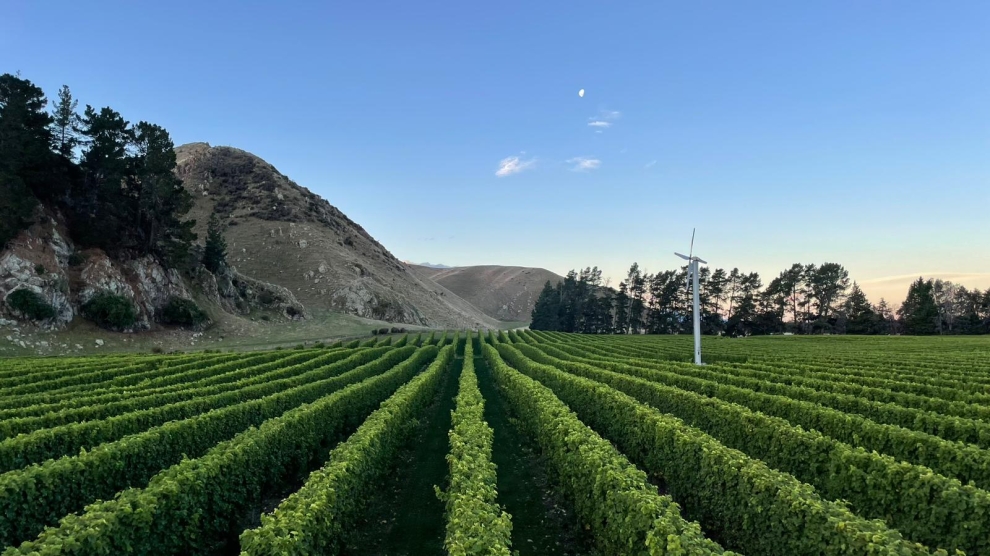
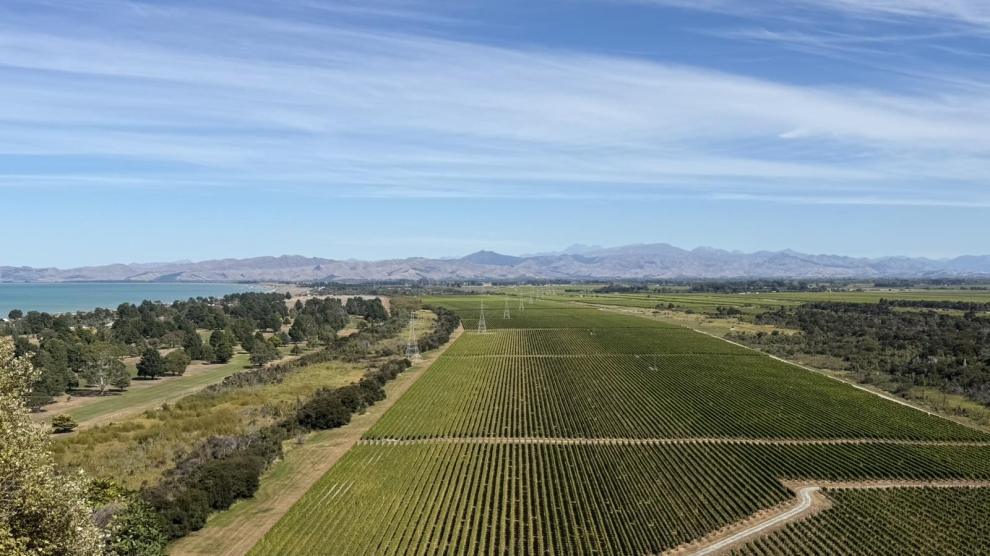
The central part of Marlborough is locked in between two large rivers - the Wairau and the Awatere. There, in the very heart of the Southern Valleys, lies the Waihopai Valley and Craiglochart Vineyard – the home of Midalidare New Zealand Marlborough Sauvignon Blanc.
Craiglochart vineyard is situated along the glacial Waihopai River. The unique microclimate, a result of the river influence and surroundings of relatively high hills, the altitude, the incredible temperatures amplitudes, and the specific profile of the soils are the components of an outstanding terroir for Sauvignon Blanc and its expressive characteristics. The vines are planted on a terrace plateau along the river. The soils are of volcanic origin, sandy, medium to highly stony and highly permeable. Although a prerequisite for spring frosts, the extreme temperature amplitudes ensure optimal grapes acidity.
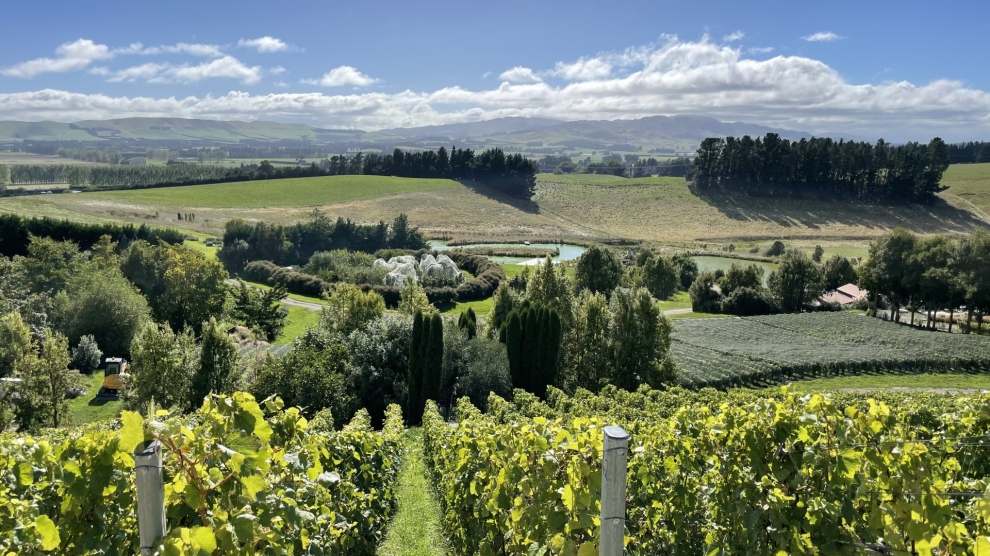
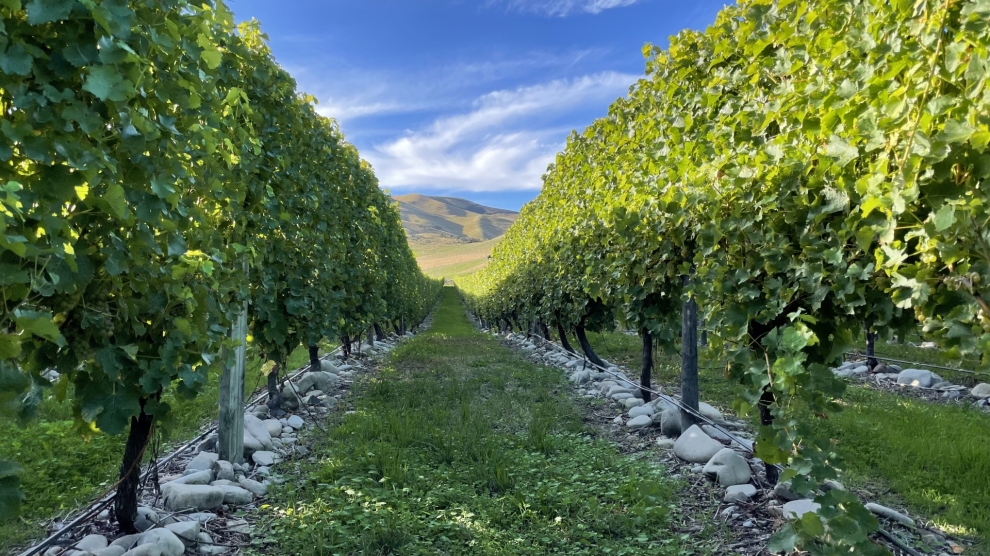
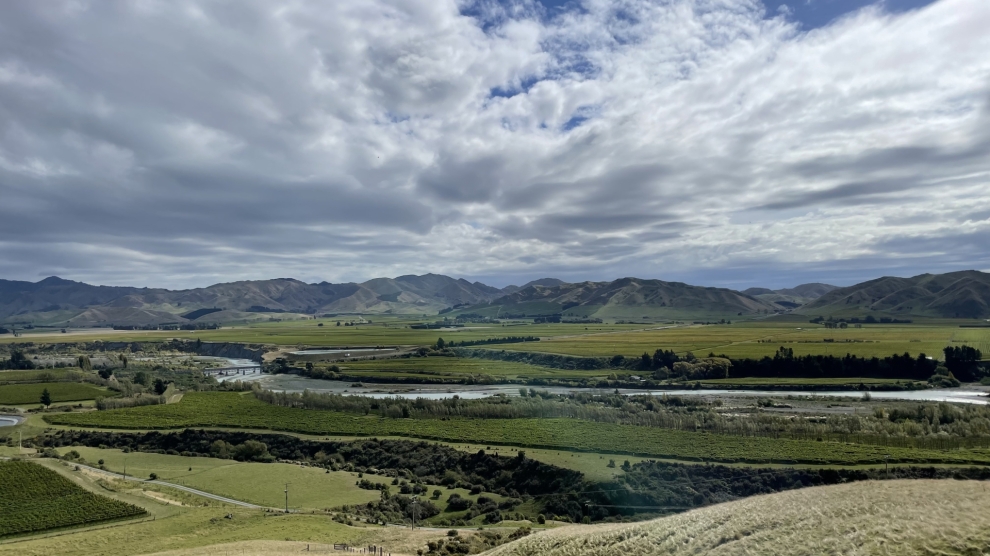
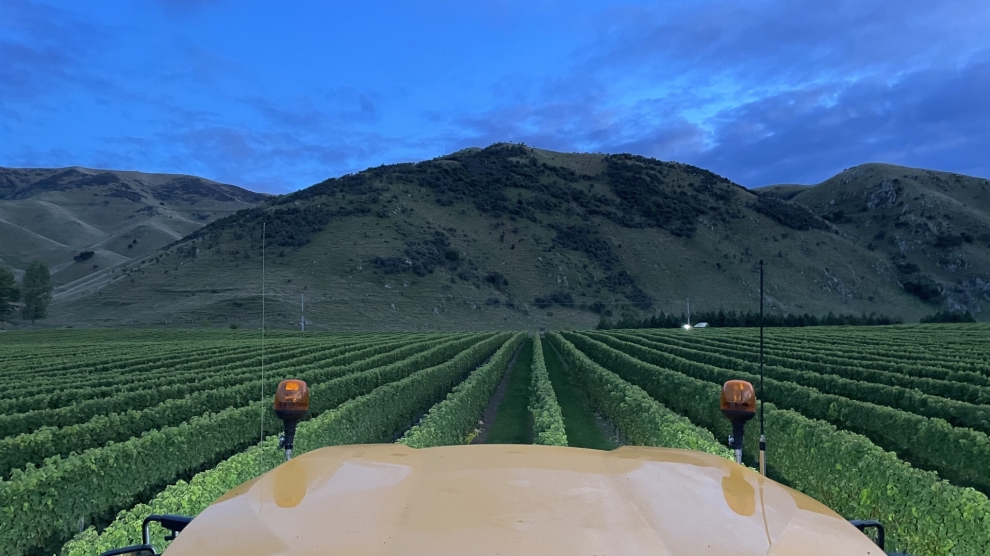
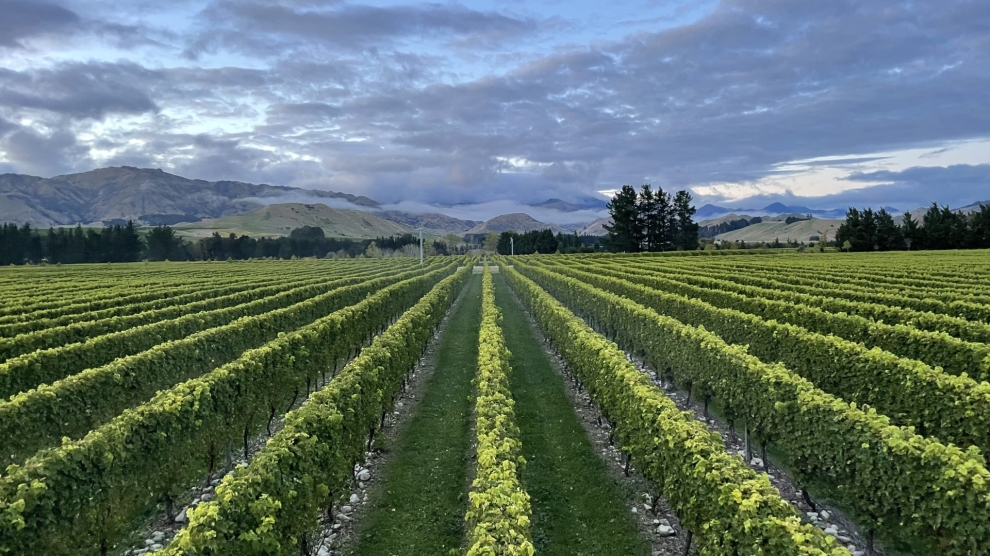
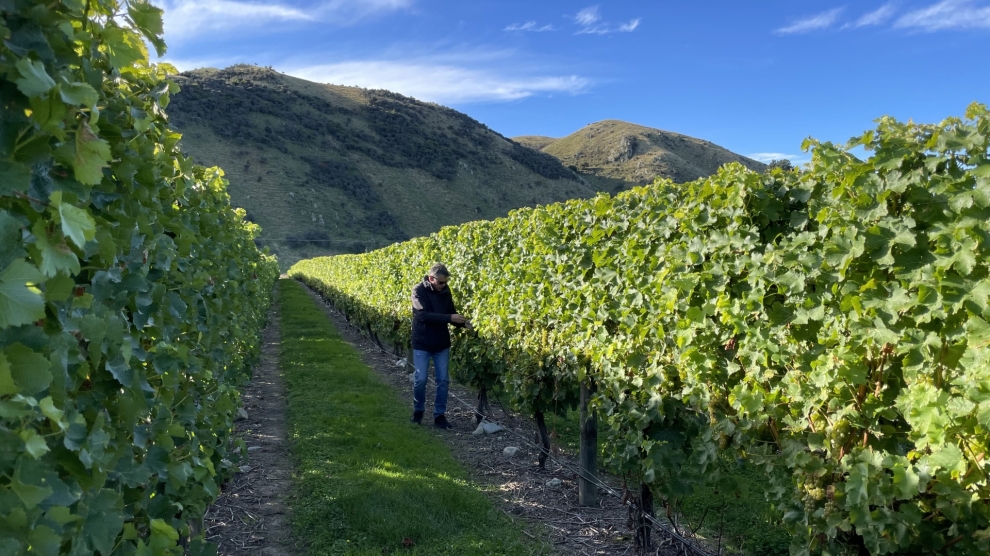
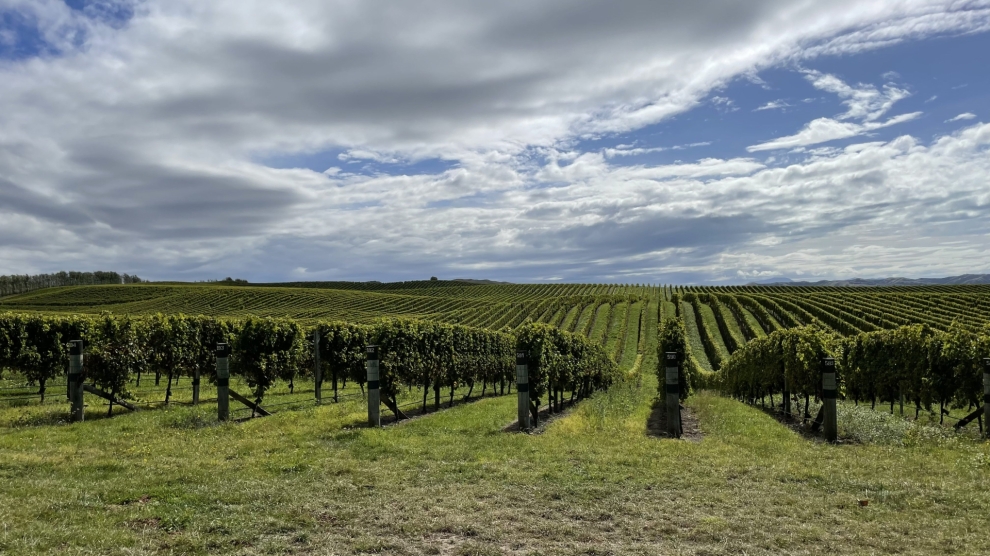
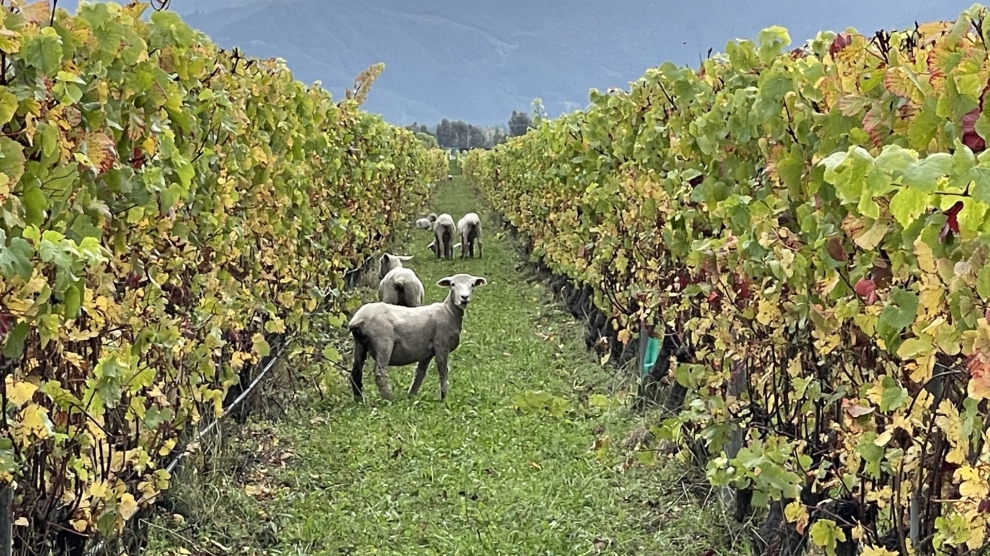
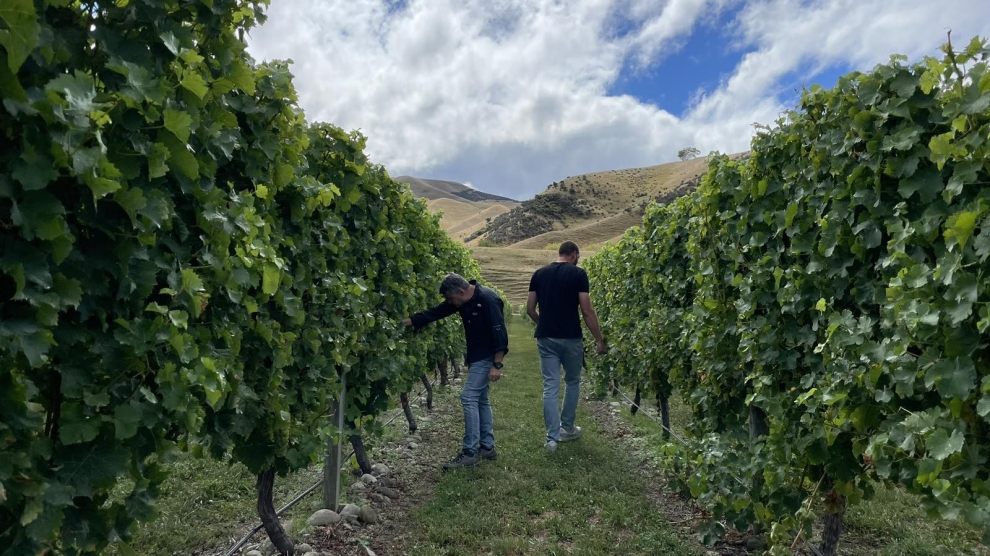
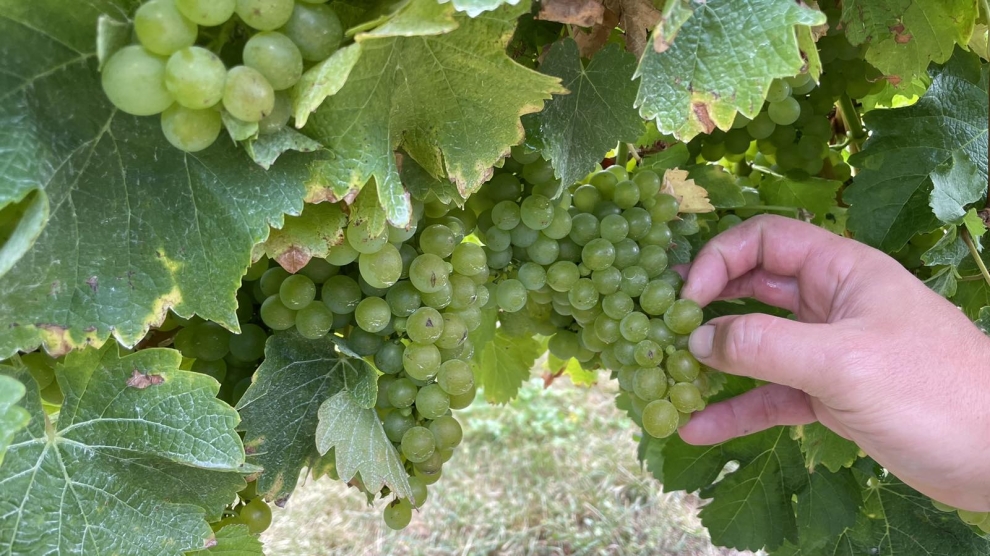
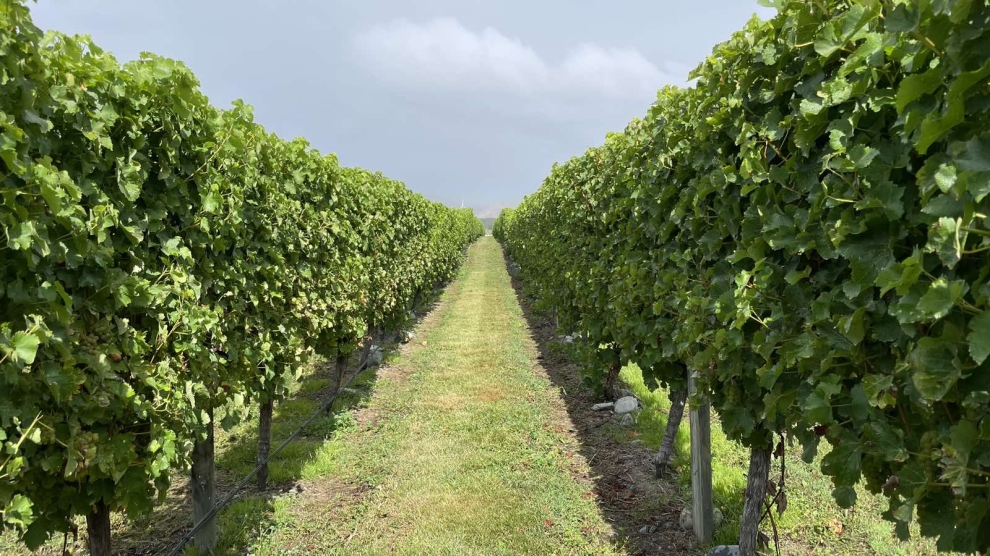
The Sauvignon Blanc vines are at an average age of 15 years. The clone MS (Mass Selection) is unique, it is grown solely on the territory of New Zealand. The climate is relatively dry, and irrigation water from the Waihopai river is used when necessary. The yield is controlled and reduced. Regulation of production, e.g., green pruning is made when the height of the shoots is 15-20 cm. An innovative viticultural practice is placing gravels from the river around the roots of the vines which help to balance temperature all year round.
The finest selection of Sauvignon Blanc grapes is sent by gravity for gentle pressing. A cold soak takes place for 24 hours in order to allow aromas from the skin to penetrate the grape juice. The grapes are then strained and delicately pressed into stainless steel vats. Clarification for a few days precedes the yeast’s introduction and slow fermentation for about 20 days at controlled temperature. Upon finishing the fermentation, the wine is cooled and kept on the lees for four months, batonnage is carried out if necessary. Filtration, clarification, blending and bottling complete the winemaking process.
Situated at the top of New Zealand’s South Island, with Cook Strait to the north and the Pacific Ocean to the east, Marlborough experiences a maritime climate. This provides a cooling influence which, coupled with some of the highest sunshine hours in the country, creates the perfect environment for grape growing.
Interesting facts:
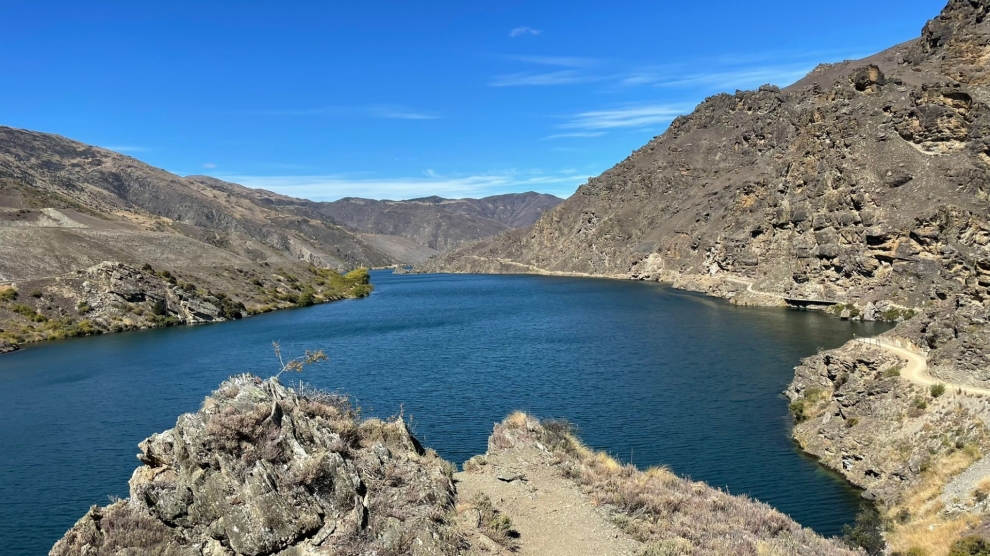
Northburn is a sub-region situated north of the town of Cromwell. The beautiful terraces are sited on Lake Dunstan's steep east bank at 300 m above sea level. Tūī bird song embraces the ancient Kōwhai tree overhanging on the slopes above the Stag's Run vineyard. Eons of northern winds shape the land, depositing sediments where clay and schist merge in a delicate equilibrium. The unforgiving, rocky, glacial soils produce wines with structure and intensity. Located on the south-eastern banks of the lake, Northburn’s vineyards stretch up the extreme western slopes, which prevents vines from spring frosts. There, in the heart of Central Otago, lies the Stag's Run Vineyard – the home of Midalidare New Zealand Central Otago Stag's Run Pinot Noir.
The area enjoys the dry, warm continental climate typical of the Cromwell Basin. Very hot days are followed by much colder nights, extending the growing season and contributing to the development of both rich fruit flavors and acidity in the grapes. The low annual rainfall, around 400 mm, gives a good deal of control over the vineyards through the use of irrigation with glacier water from the lake. The soils are alluvial - brown forest and pallic, typical for Central Otago.
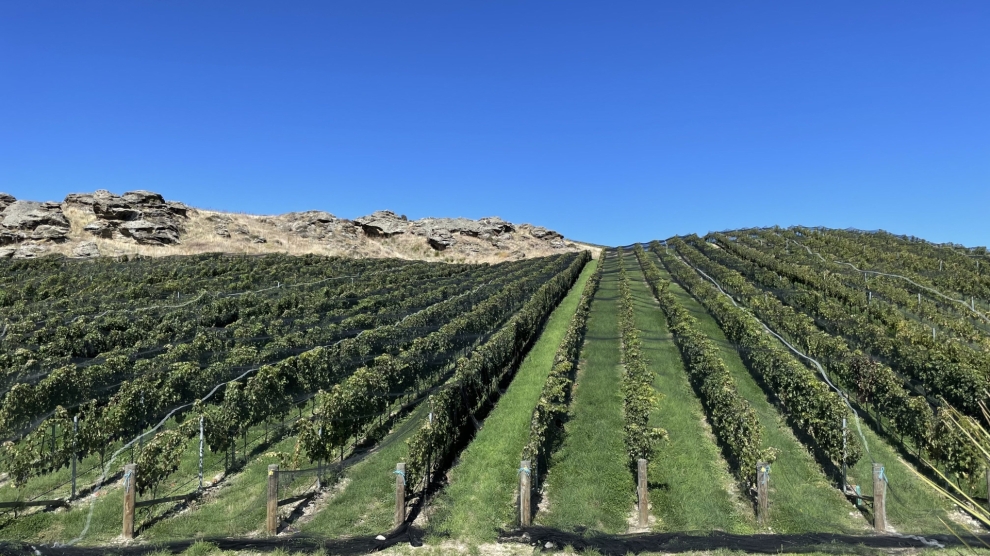
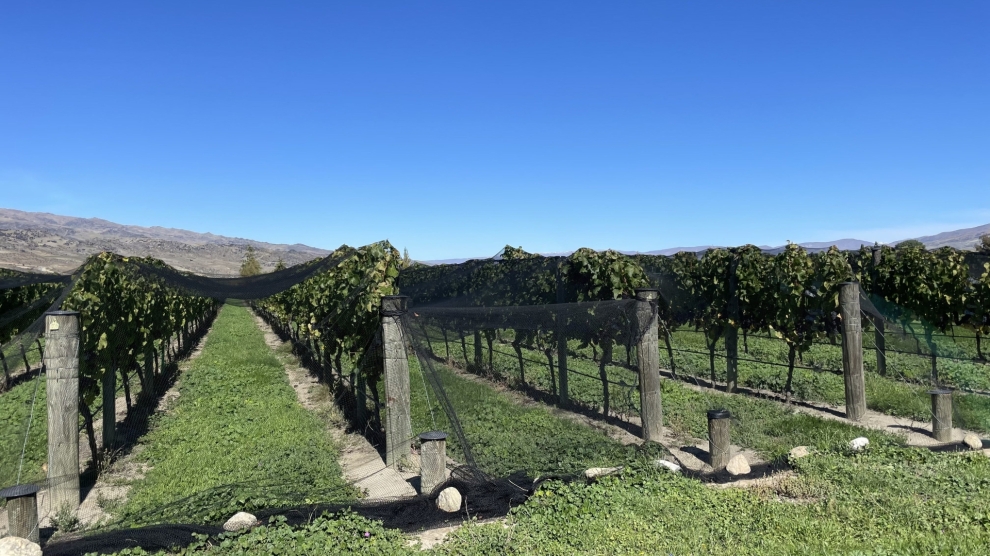
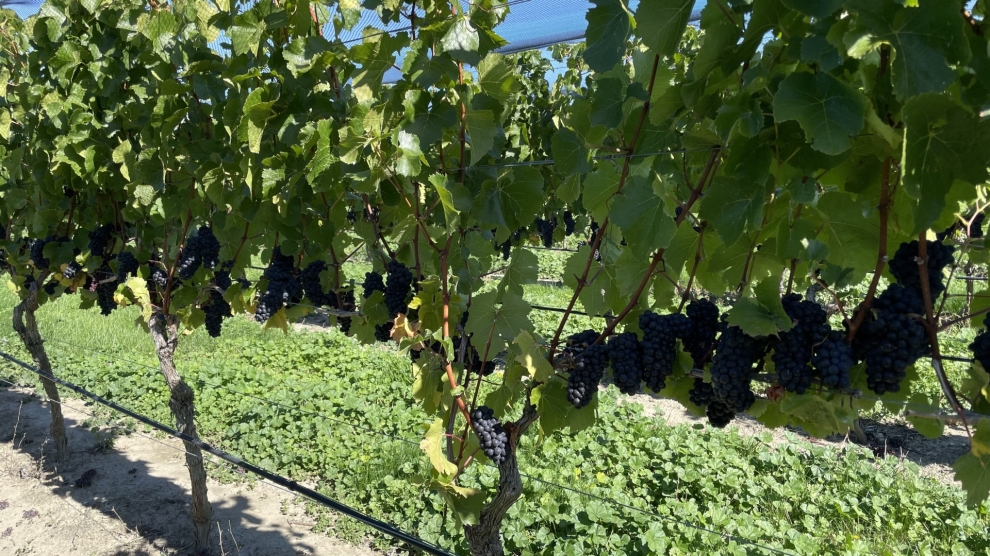
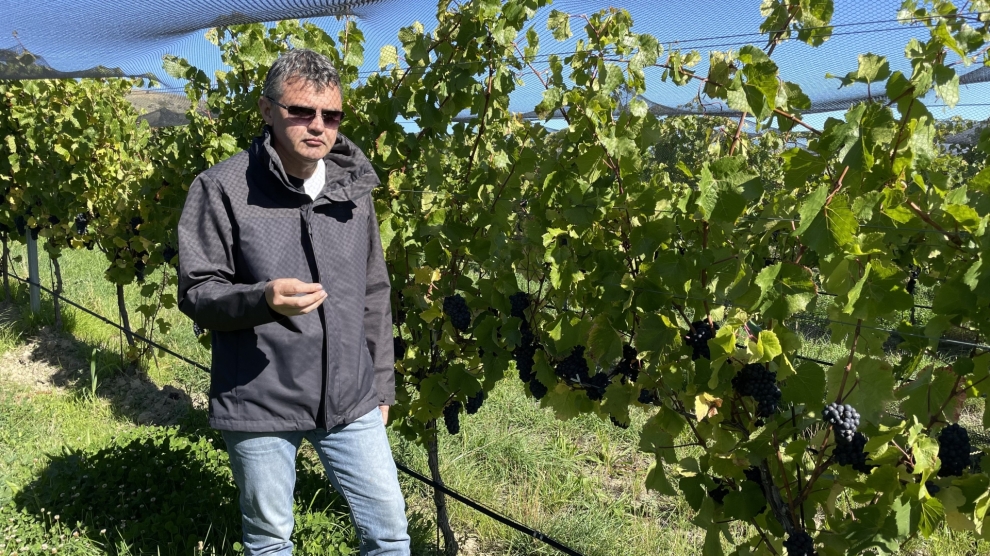
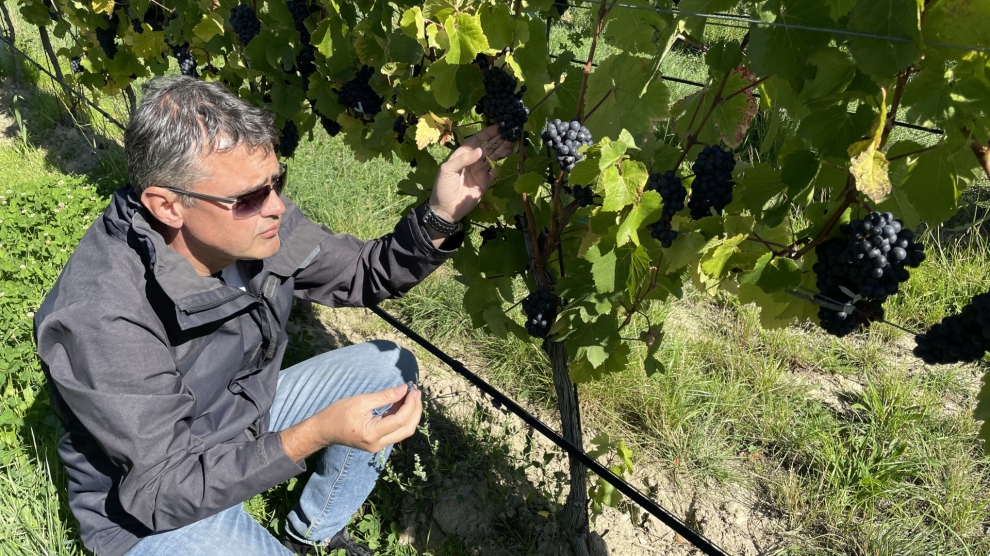
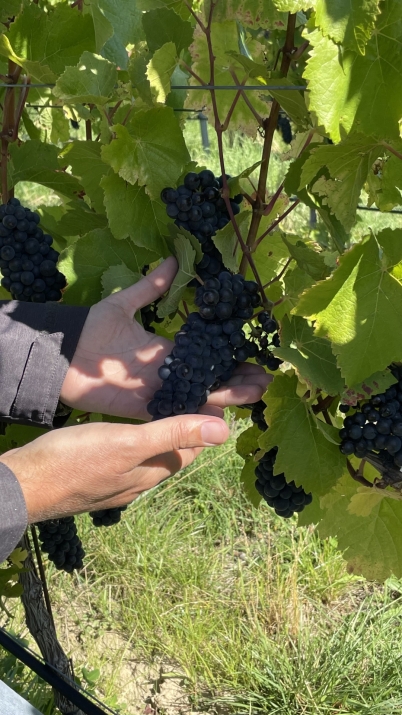
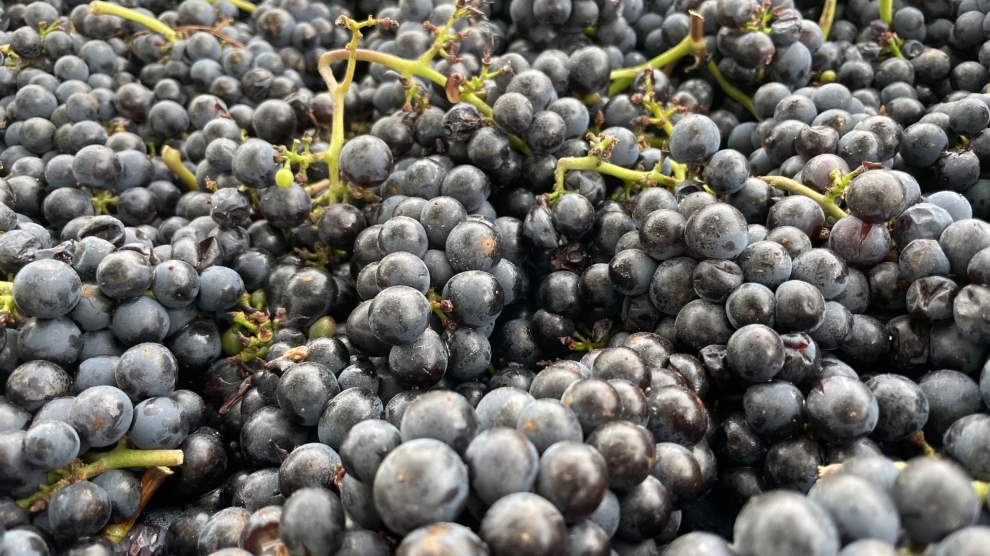
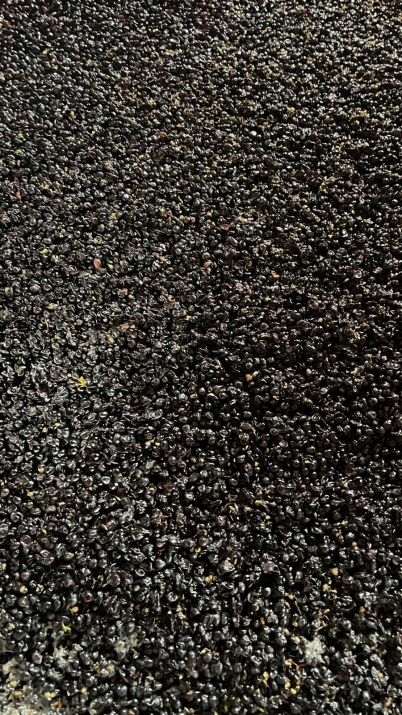
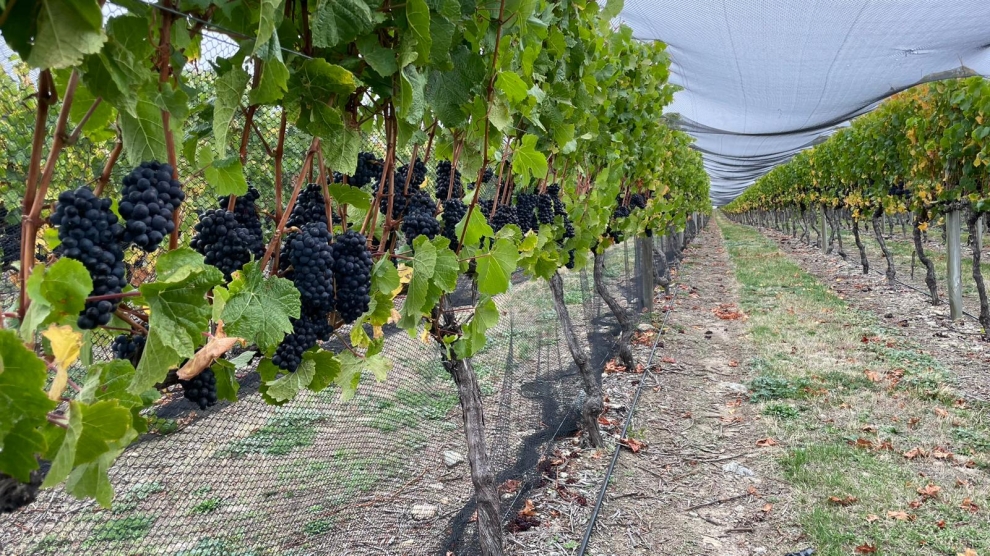
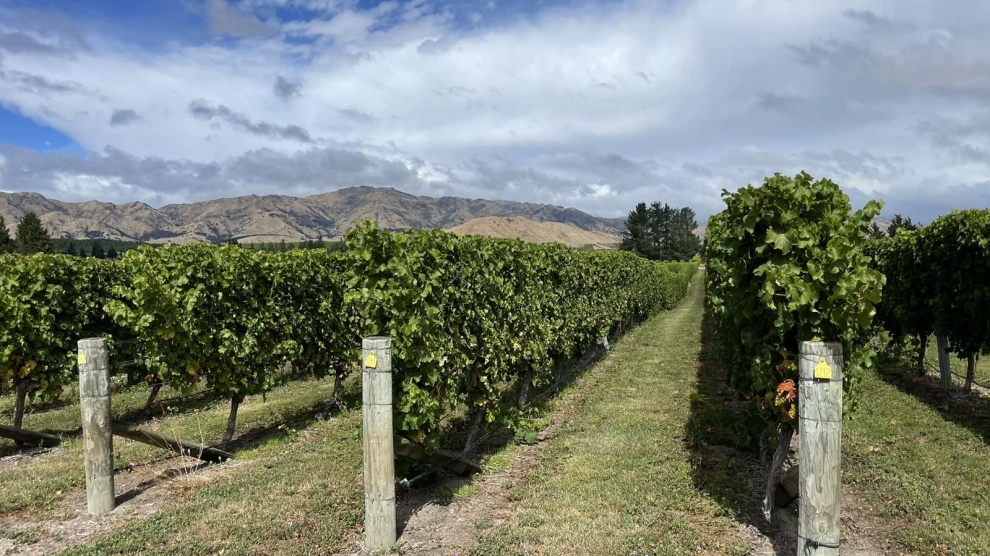
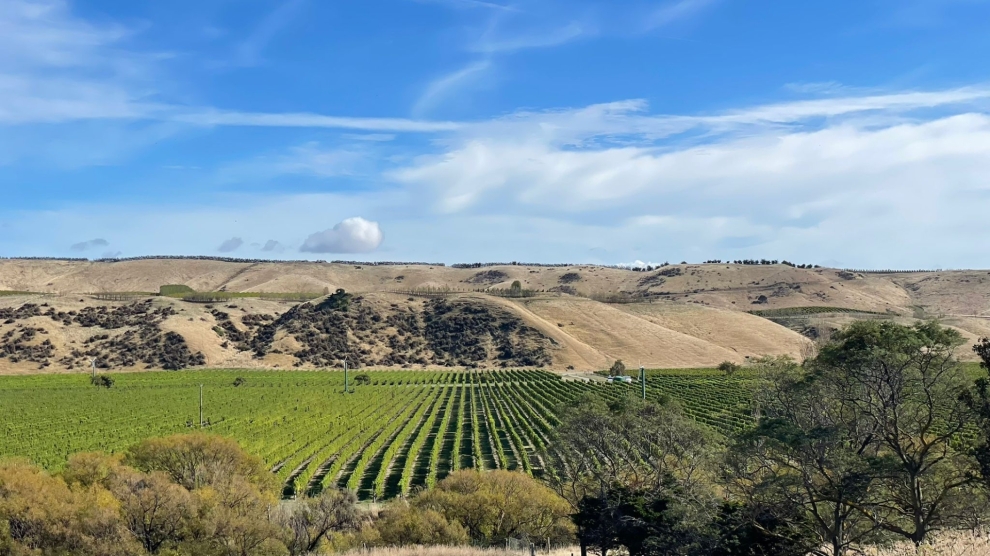
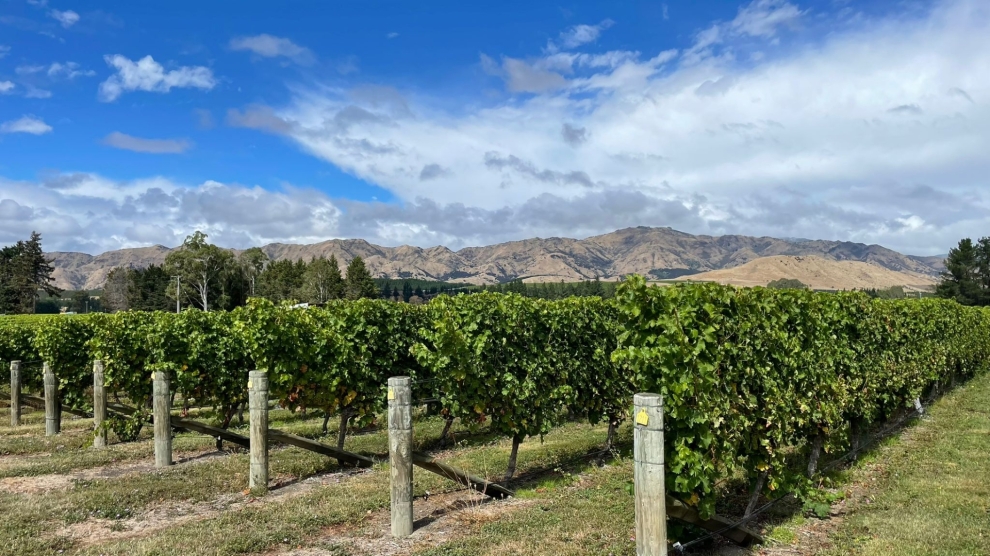
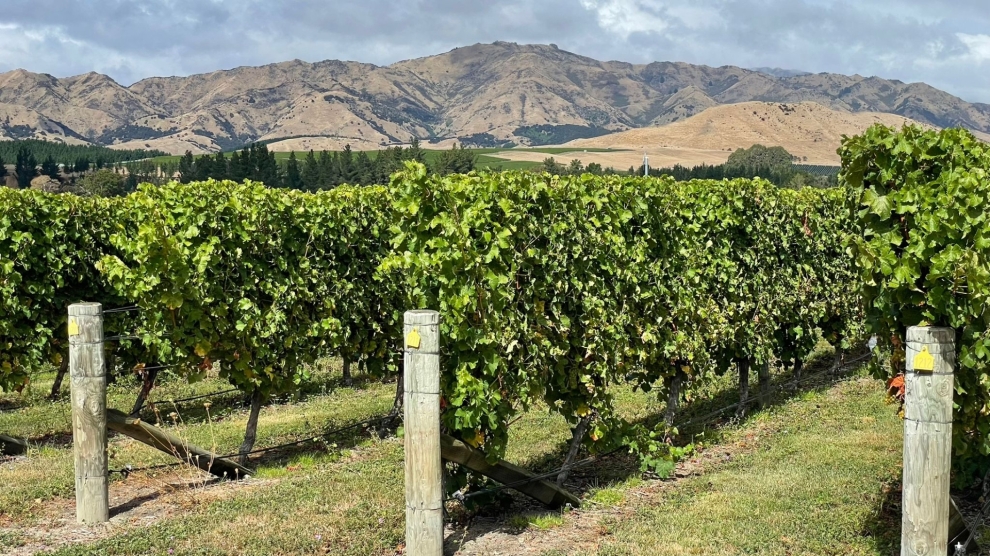
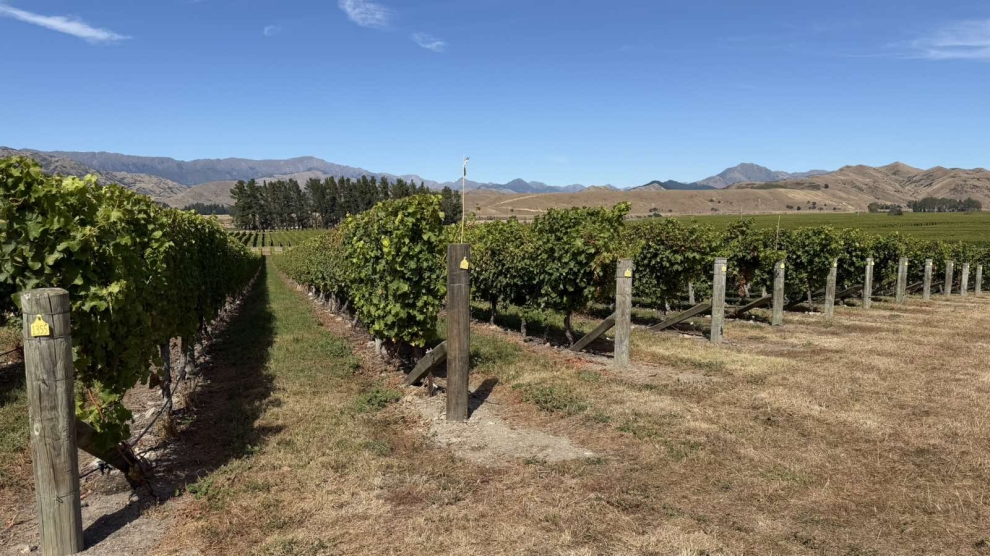
The Pinot Noir vines are at an average age of 12 years. The clone is selected and grown in New Zealand. Although not certified, vineyards are farmed organically. The climate is relatively dry, and irrigation water from Lake Dunstan is used when necessary. The forming is double vertical shoot positioning (VSP or double guyot). The yield is controlled and reduced depending on the vintage. Regulation of production is twofold - green pruning and veraison pruning.
Selected grapes enter 400-litres stainless steel fermenters. A cold soak takes place for a few days in order to obtain maximum coloring substance and fruity flavor from the skin. Gentle warming precededs the yeasts introduction. Alcoholic fermentation at controlled temperature takes place, partly whole bunch/cluster depending on the vintage. A post maceration is carried out. Then the wine is drained from the fermenters and fed for ageing into 225-litres French oak barrels (barrique). Malolactic fermentation takes place under controlled temperature in an underground cellar. The wine is aged for 10-12 month. Rough filtration, blending and bottling complete the process.
Otago is an area located in the inland part of the Otago region in the South Island of New Zealand. The motto for the area is "A World of Difference" Vast open plains and rugged landscapes make it one of the most scenic wine regions in New Zealand. It's also home to some of the best Pinot Noir in the world.
Hugged by mountains and interlaced with lakes and deep river gorges, the vineyards in Central Otago are truly spectacular. Here, the cool climate combined with glacially derived soils, means vineyards produce a highly elegant Pinot Noir and some quietly impressive white wine varietals and the occasional pink rosé. All the main winegrowing sub-regions lie within close reach, with the distinctive mountainous terrain providing each with a unique climate, aspect and altitude.
When tradition meets innovation and classic Old World interweaves with the trendy New World...
Exceptional qualities and unique characteristics of classic white varieties on the terroir of Mogilovo...
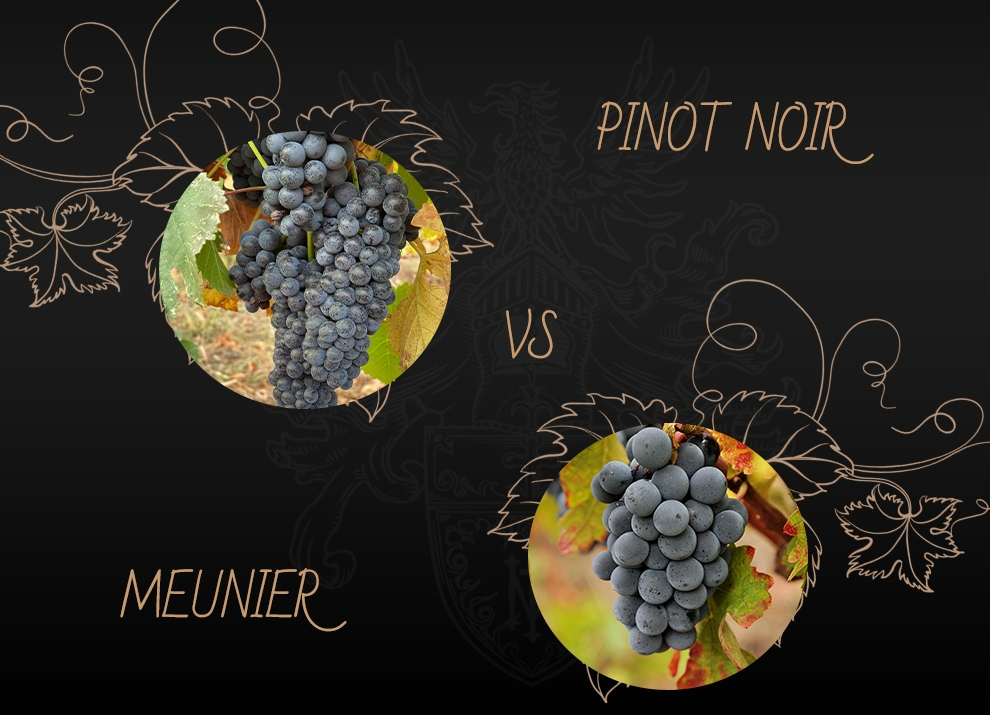
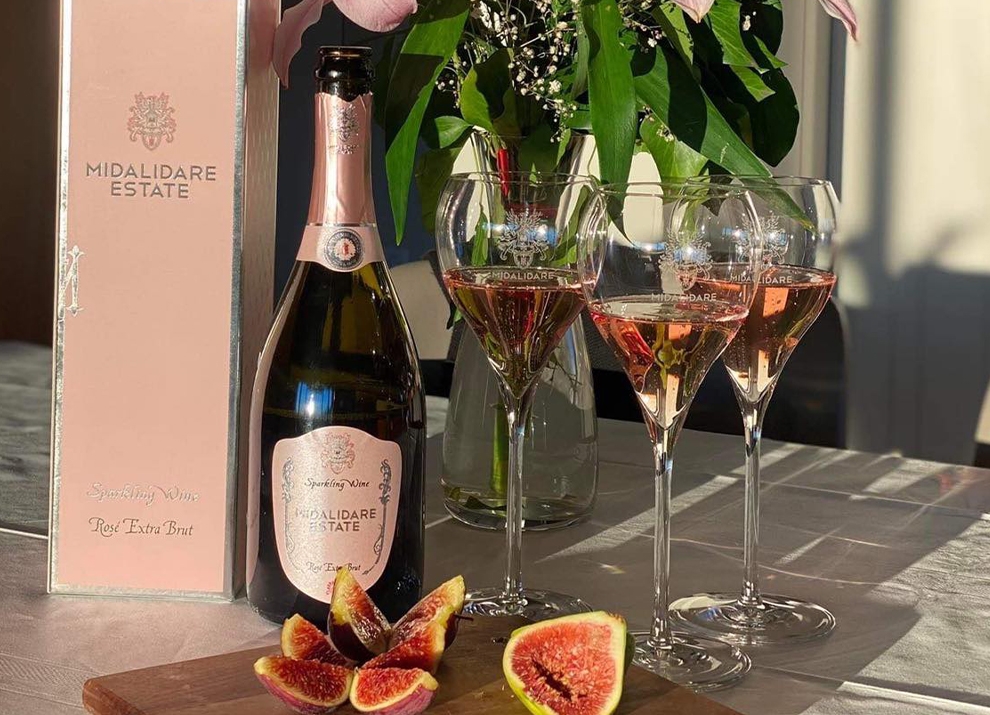
Part 4: Meunier - How to serve, store and pair Malbec wine with food...
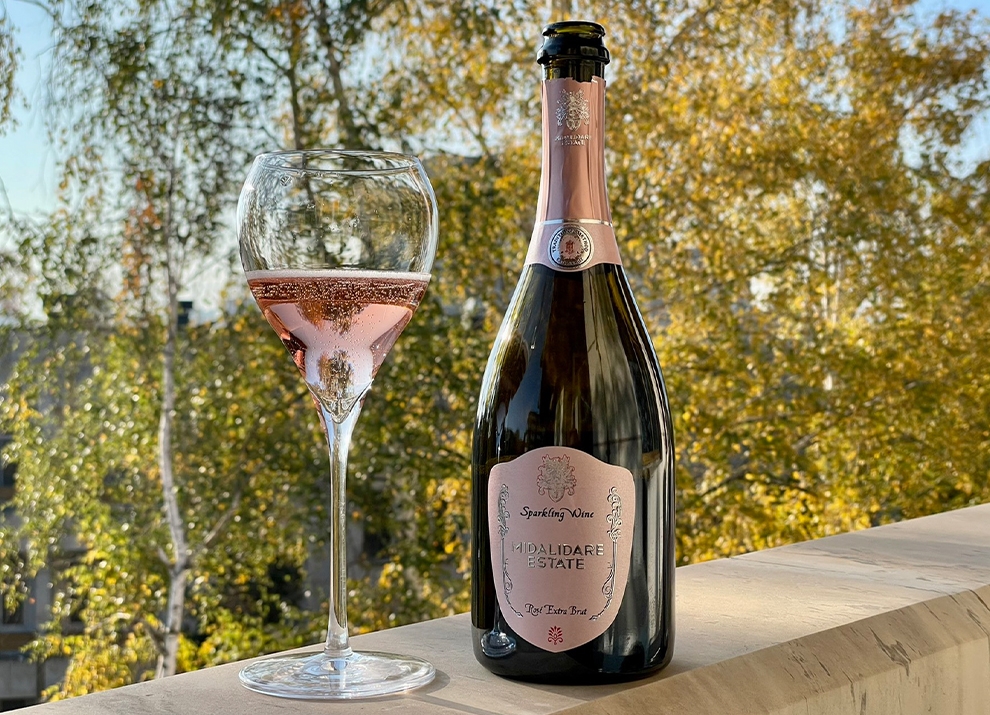
Part 3: Meunier - Styles of wines and winemaking techniques...
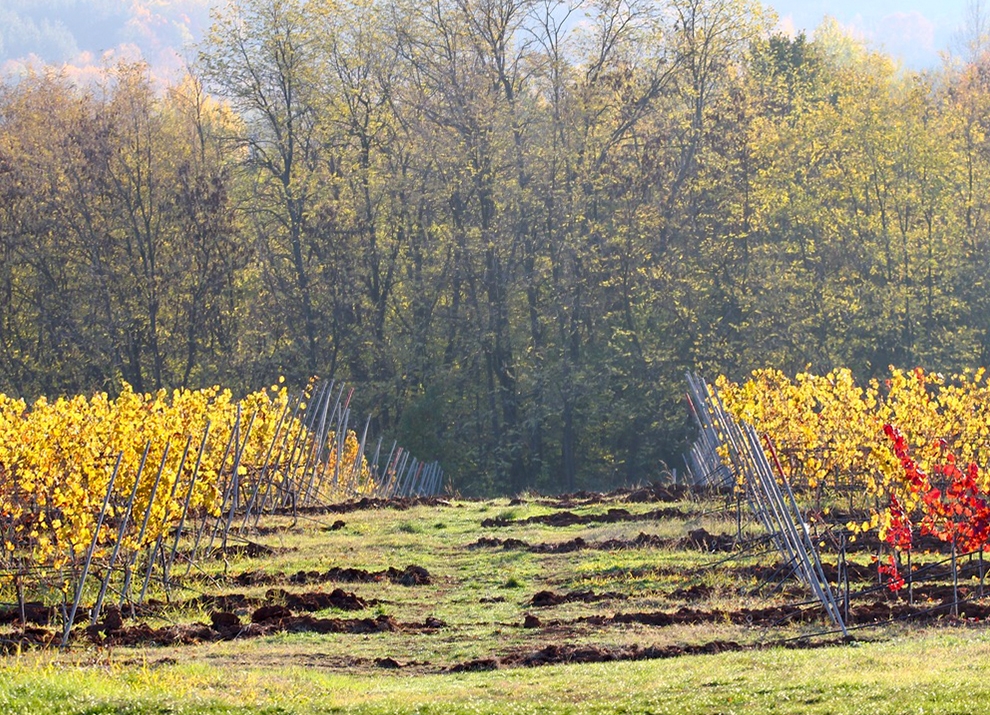
Part 2: Meunier - Specifics of the variety and appropriate regions...
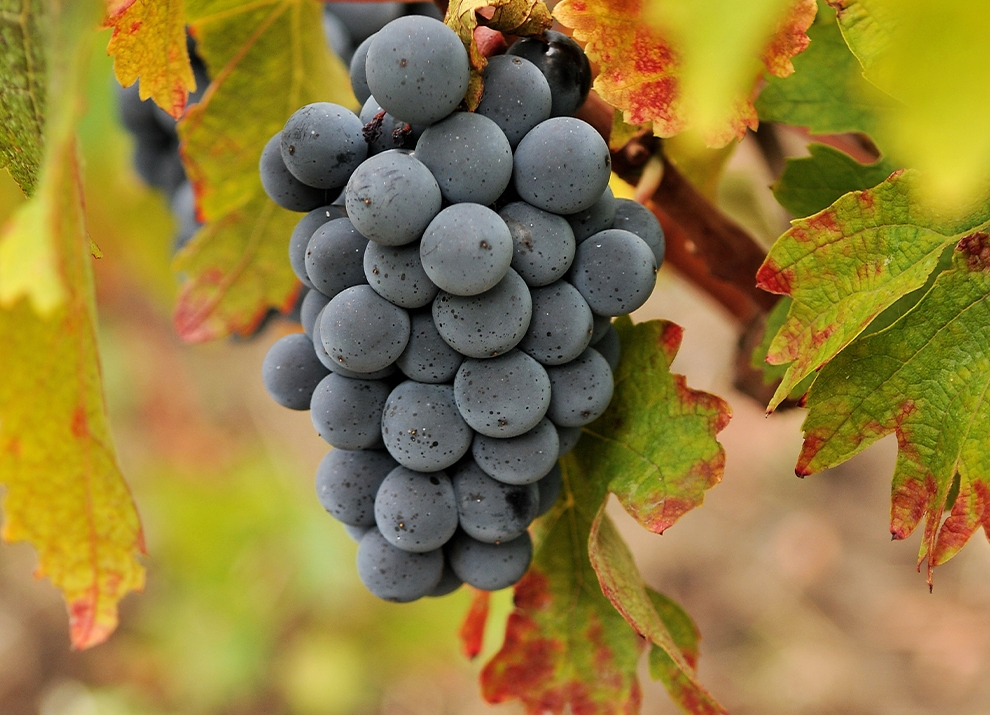
Part 1: Essential information about Meunier...
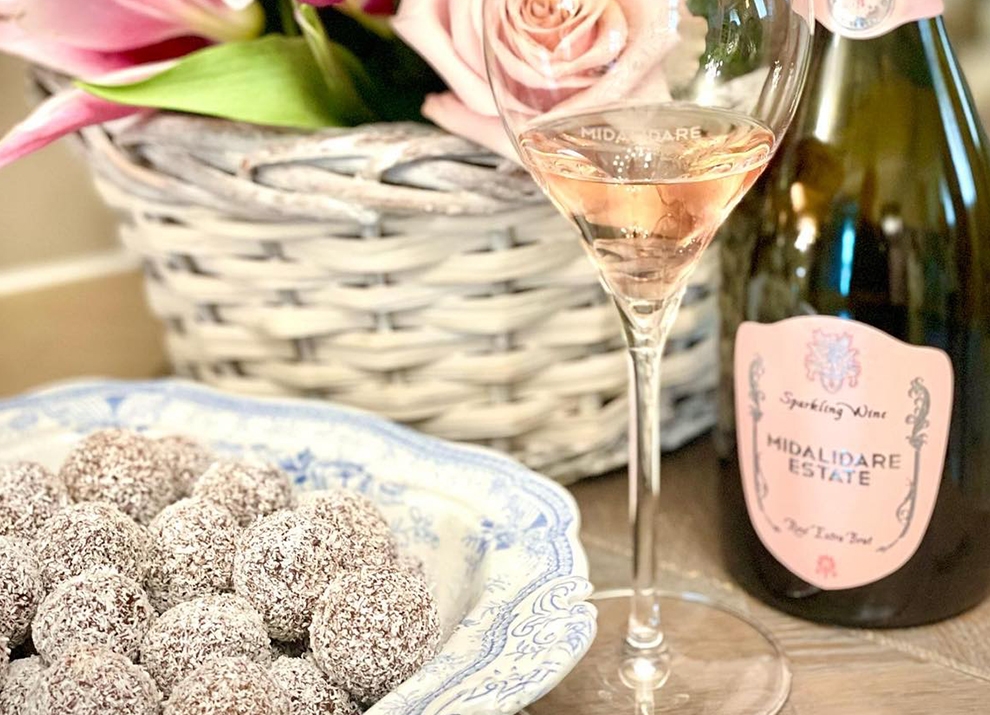
Part 4: Pinot Noir - How to serve, store and pair Pinot Noir wine with food...
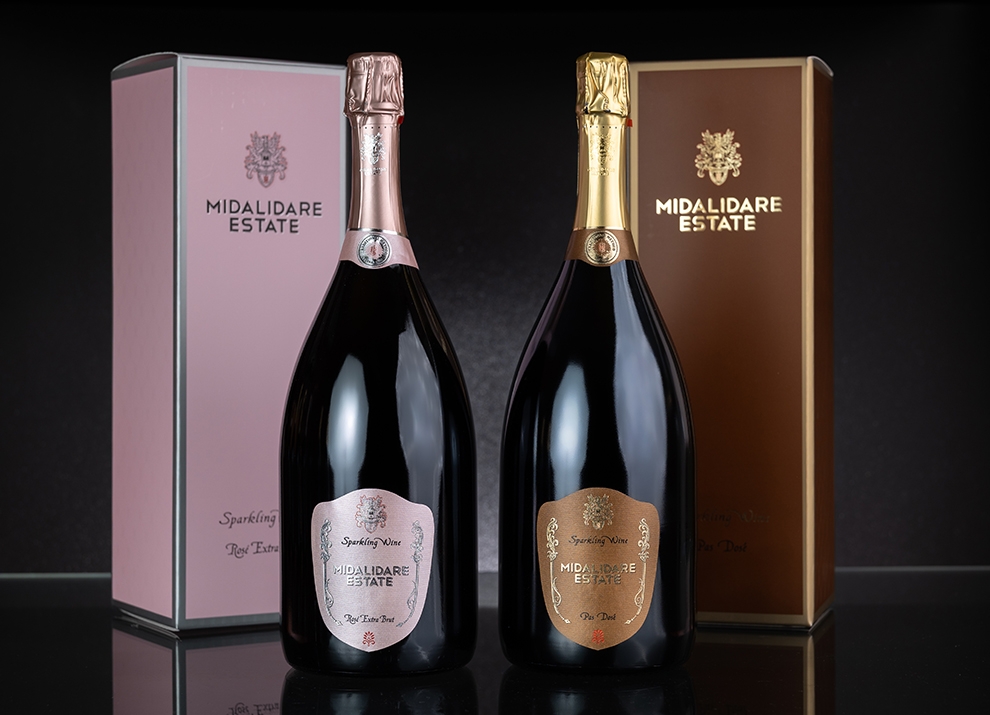
Part 3: Pinot Noir - Styles of wines and winemaking techniques...
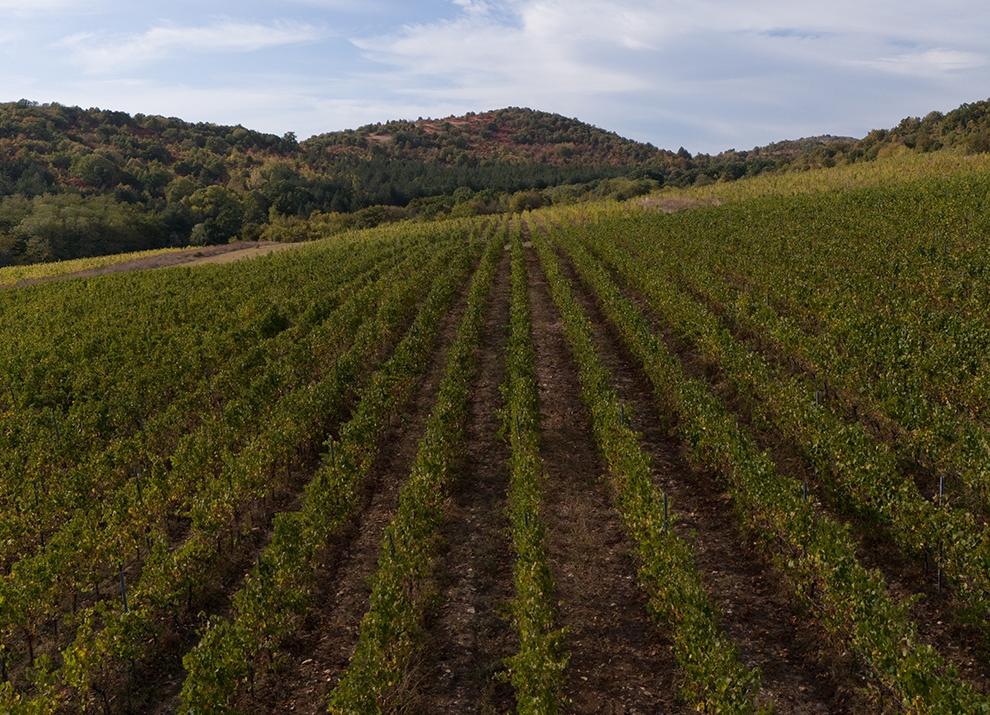
Part 2: Pinot Noir - Specifics of the variety and appropriate regions...
Part 1: Essential information about Pinot Noir...
Part 4: Sauvignon Blanc - How to serve, store and pair Sauvignon Blanc wine with food...
The products are not for sale to persons under the age of 18. If you are under this age please don't access the website.