
Sparkling Wine Guide: Sparkling wines by sweetness scale

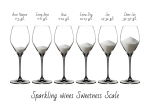
There’s something about sparkling wine that instantly feels celebratory. Whether it’s a casual brunch, a special occasion, or just a weekday evening, a glass of bubbly makes everything better. But not all sparkling wines are the same - there are different types, production methods, and regions that define each style.
Still wines are most commonly divided into two camps: dry and sweet. Sure, there’s some confusion regarding sugar-to-acid ratios and what constitutes “sweet” rather than “aromatic,” but overall, descriptors for still wine are fairly straightforward.
Bubbles, on the other hand, have a far more complex classification system. There are seven standard sweetness categories for sparkling wines and each class denotes subtle differences in aromas and flavor.
These varying sweetness levels come from the dosage or liqueur d’expedition, a mix of sugar and wine. This liquid is used to top off Champagne and other traditional method sparklers after riddling, when winemakers disgorge the lees (dead yeast cells) from the neck of the bottle.
The dosage mix can contain anywhere between 500 and 700 grams of sugar per liter, although just a teaspoon or so ends up in the bottle. The precise ratio of sweetener-to-wine varies according to the producer, region and desired outcome, among other factors.
- Brut Nature 0-3 g/L residual sugar (RS)
- Extra Brut 0-6 g/L RS
- Brut 0-12 g/L RS
- Extra Dry 12-17 g/L RS
- Dry 17-32 g/L RS
- Demi-sec 32-50 grams of sugar per litre
- Doux more than 50 grams of sugar per litre
Brut Nature / Pas Dose / Dosage Zero
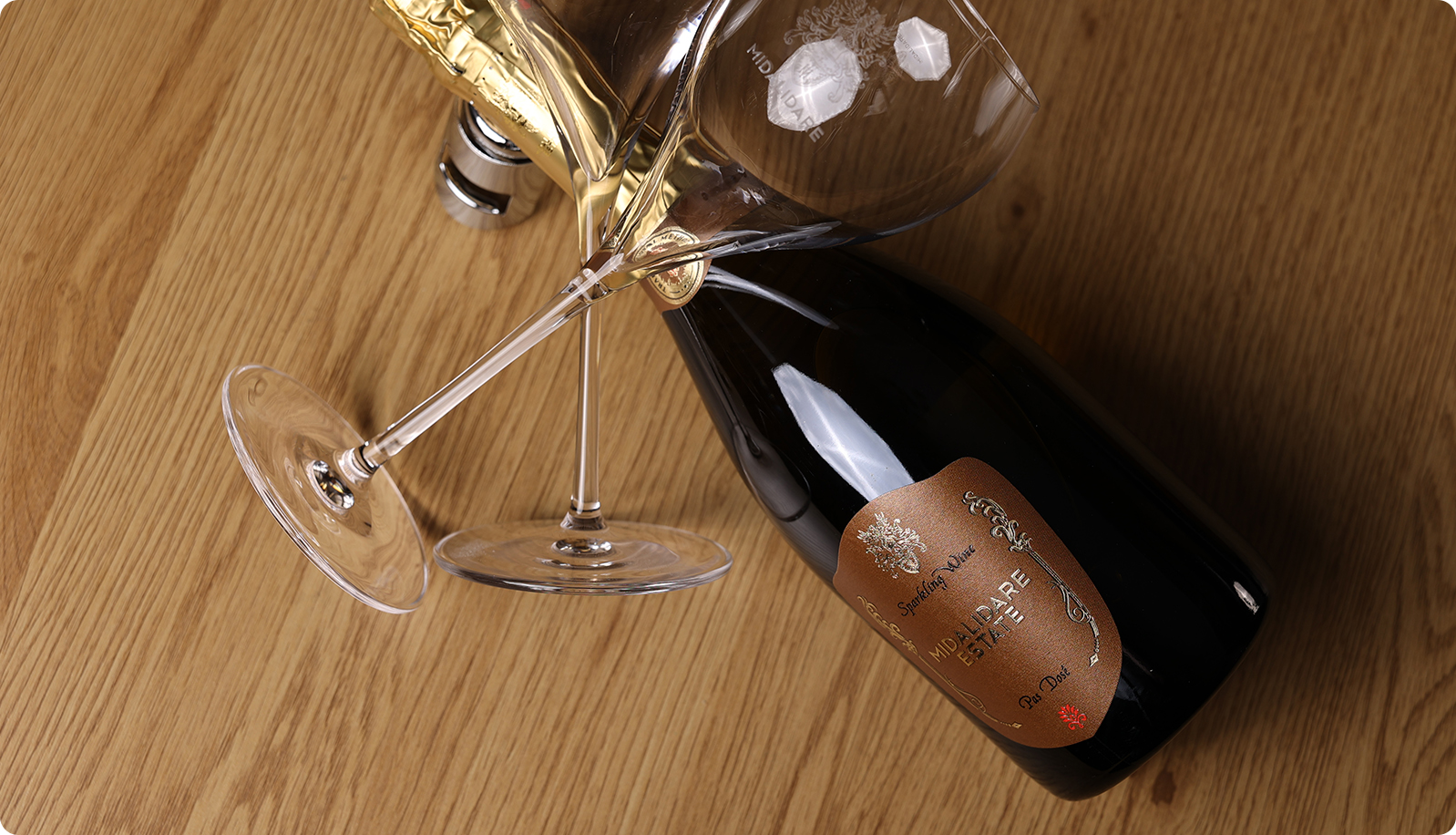
Brut Nature wines are the driest of the bunch with less than three grams of sugar per liter. This category, which also includes the terms “Sauvage” and “Zero Dosage,” indicates that the wines contain only natural residual sugar with no dosage added to the bottle. In German Sekt, it is known as NaturHerb.
These wines are crisp, dry and refreshing with a very low sugar content. They pair well with oysters and raw seafood and can also cut through fattier dishes.
Extra Brut
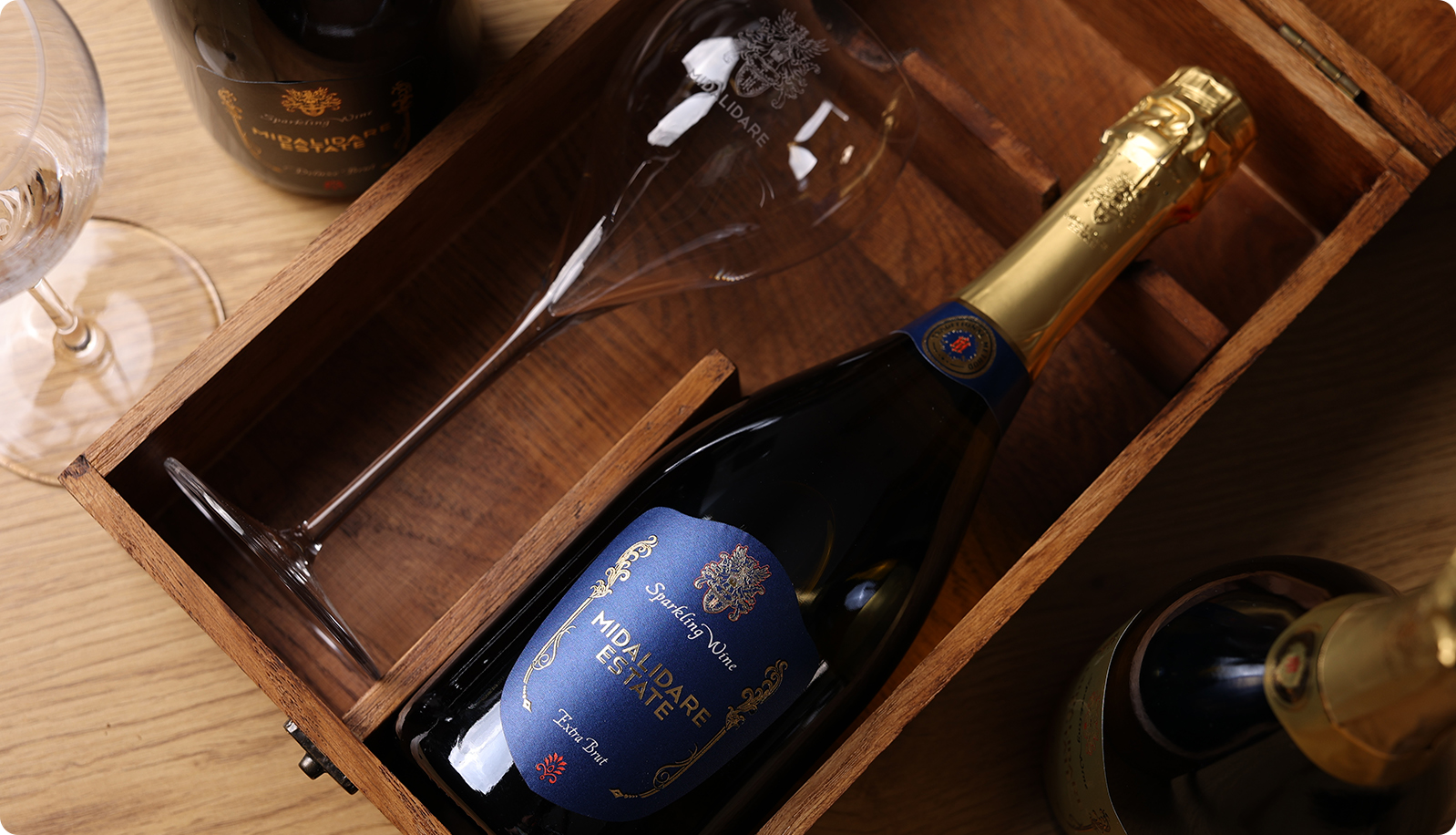
Extra Brut (or Extra Herb in German Sekt) is the second driest level of sweetness, containing under six grams of residual sugar.
These wines pair well with tangy goat cheese, oysters or anything briny. However, they also work well “to cut through richer foods like mushroom bisque, ricotta gnudi or a fully loaded baked potato with bacon.
Brut
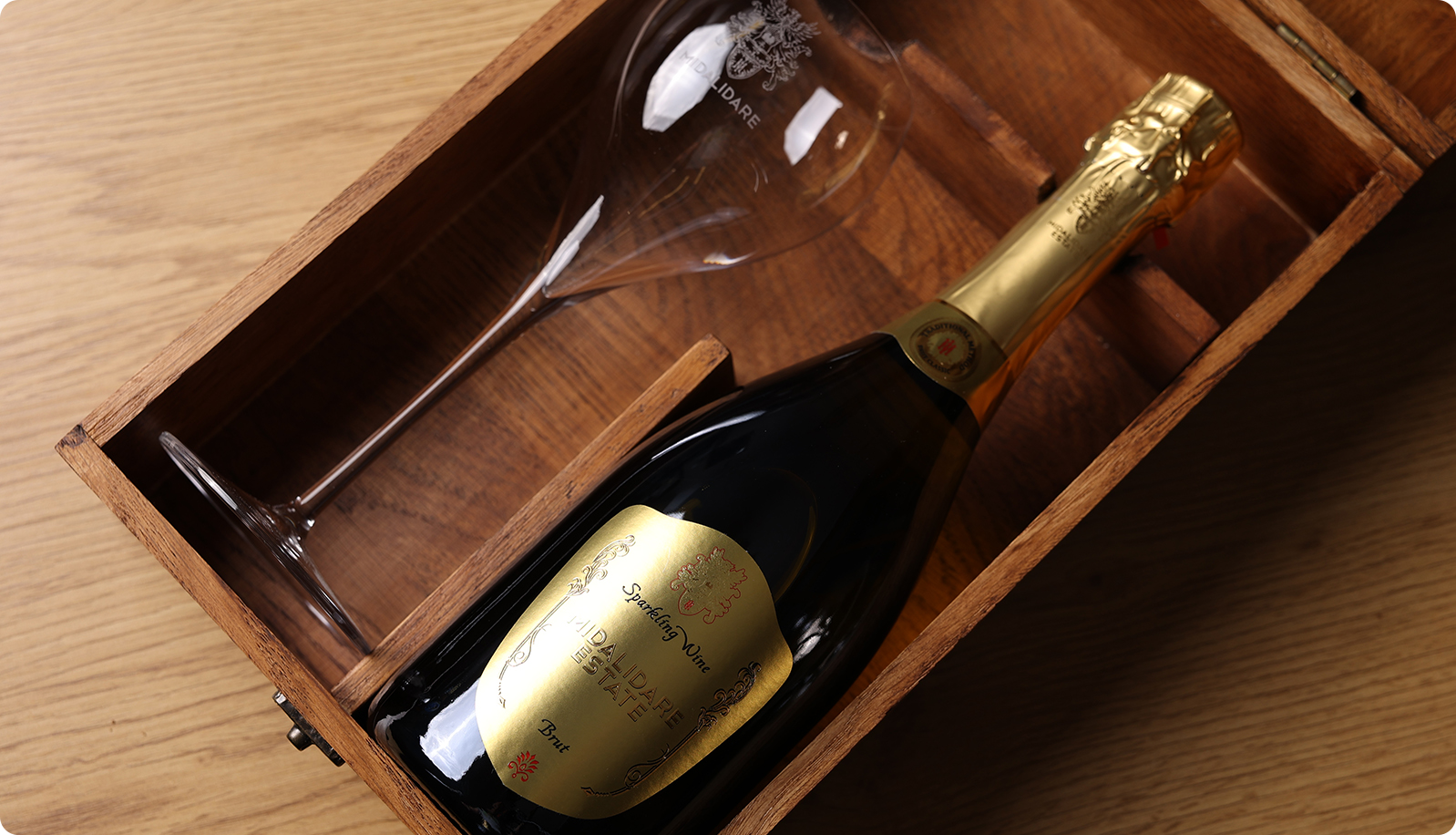
Brut is the most common style, but one of the most confusing. To be labeled a Brut wine, a sparkler must contain less than 12 grams per liter of sugar. That’s a broad range (and technically includes both Brut Nature and Extra Brut), so this popular category tends to vary widely in sweetness levels. For some producers, Brut wine can barely contain sugar, while others prefer to push the maximum amount of dosage. In German Sekt’s, the style is referred to as Herb.
This broad category has ability to pair through occasions. Because of the small hint of sugar, Brut wines can be drunk throughout the entire night without overpowering any dish - even fattier and richer dishes.
Extra Dry
Contrary to what its name suggests, Extra Dry is actually slightly sweeter than Brut. Also known as Extra Sec, wines at this level contain between 12 and 17 grams per liter. It has a touch more sweetness on the palate while still maintaining a refreshing acidity.
Extra Sec can still have the general perception of being mainly dry, while having a higher level of sugar presenting it as flesher and riper in style. In Spain, the category is called Extra Seco.
Sec
Sparkling wines labeled Sec contain between 17 and 31 grams per liter of residual sugar. This style is noticeably sweeter than Extra Dry, with a perceptible sweetness that balances the acidity. It is paired well with fruit-based desserts, light pastries or spicy dishes.
Sec translates to Seco in Spain. In Germany and Australia, sec is labeled as Trocken.
Demi-Sec
With wines labeled Demi-sec or Spanish Semi Seco, you can start to detect the texture of sugar on your tongue. Containing between 32 and 50 grams of sugar, one glass of demi-sec boasts as much sugar as a gin and tonic.
Doux / Sweet
This is the sweetest style of sparkling wine with the highest sugar content, usually over 50 grams per liter. It’s very sweet and is often used for special occasions and dessert pairings.
Doux sparkling wines are quite rare. So, make sure to pick up a bottle to try, if you’re lucky enough to spot one on a shelf.
Explore our blog
- Blend & Trend: Popular wine blends by Midalidare - Trendy blending styles
- Classic wine blends - Wine Classics from the Old World
- Sauvignon Blanc vs Chardonnay - Two great white varieties side by side
- Aromatic white grapes - Scent explosion in a glass of white wine
- Carbonic Maceration - Fermentation technique in a completely anaerobic atmosphere
- Cane Cut technique - New name for an old tradition
- Vine pruning celebrations around the world - How they celebrate the growing season beginning in different countries
- Malbec vs Tannat - Two great red close relative varieties side by side
- Sparkling Wine Guide - Sparkling winemaking - Methods for sparkling winemaking
- Sparkling Wine Guide - Traditional sparkling winemaking - The Champagne method
- Sparkling wine guide – Food pairing - Champagne & Sparkling wine food pairing
- Sparkling Wine Guide: Pas Dosé - Sparkling wine with no added sugar
- Sparkling Wine Guide: Blanc de Noirs - A full-bodied, heady Sparkling
- Sparkling Wine Guide: Blanc de Blancs - Sparkling wine all finesse and lightness
- Sparkling Wine Guide: Non-vintage Brut Style - A sparkling wine for all occasions
- Sparkling Wine Guide: Sparkling Rosé Style - A style of elegance and diversity
- Sparkling Wine Guide: Sparkling wines by ageing - Vintage vs Non-vintage
- Sparkling Wine Guide: Sparkling wines by sweetness scale - How much sugar in sparkling wine
- Sparkling Wine Guide: Sparkling wines by region - Sparkling wine journey around the world
- Sparkling Wine Guide: Oak ageing of sparkling wines - Oak usage in traditional sparkling winemaking
- Wine & Glass pairing: Do specific wine glasses make a difference? - Do specific wine glasses make a difference?
- Wine & Glass pairing: Guide to different types of wine glasses with stem - Anatomy - Part 1: Anatomy of a wine glass
- Wine & Glass pairing: Guide to different types of wine glasses with stem - Part 2: Different types of wine glasses
- Wine & Glass pairing: Rose Wine Glasses - Flared Lip Rose Wine Glass
- Wine & Glass pairing: Rose Wine Glasses - Slight Taper Rose Glass
- Wine & Glass pairing: White Wine Glasses - Sauvignon Blanc Wine Glass
- Wine & Glass pairing: White wine glasses - Unoaked Chardonnay Wine Glass
- Wine & Glass pairing: White wine glasses - Оaked Chardonnay Wine Glass
- Wine & Glass pairing: White wine glasses - Riesling Wine Glass
- Wine & Glass pairing: Red wine glasses - Cabernet/Merlot Wine Glass
- Wine & Glass pairing: Sparkling Wine Glasses - Basic types of Champagne and Sparkling wine glasses
- Wine & Glass pairing: Red wine glasses - Old-world style Syrah
- Marlborough: Wine Region - History, climate, viticulture and sub-regions of Marlborough
- Marlborough: Southern Valleys - The home of Midalidare New Zealand Sauvignon Blanc
- Marlborough: Grapes and Wines - Specifics of the varieties and characteristics of the wines
- Marlborough: Sauvignon Blanc - What sets Marlborough's Sauvignon Blanc apart from other regions?
- Central Otago: Wine region - History, climate, soils and sub-regions of Central Otago
- Central Otago: Cromwell - The home of Midalidare New Zealand Central Otago Stag’s Run Pinot Noir
- Central Otago: Grapes and Wines - Specifics of the varieties and wines characteristics
- Pinot Noir in Central Otago - What sets Central Otago's Pinot Noir apart from other regions?
- Midalidare’s grape varieties: Mourvedre - Part 1: The variety
- Midalidare’s grape varieties: Mourvedre - Part 2: The terroirs
- Midalidare’s grape varieties: Mourvedre - Part 3: The wines
- Midalidare’s grape varieties: Mourvedre - Part 4: Serving and storage
- Midalidare’s grape varieties: Mourvedre - Part 5: Food pairing
- Midalidare’s grape varieties: Sauvignon Blanc in a nutshell - Part 1: Essential information about Sauvignon Blanc
- Midalidare’s grape varieties: Sauvignon Blanc - The variety and the terroirs - Part 2: Sauvignon Blanc - Specifics of the variety and appropriate regions
- Midalidare’s grape varieties: Chardonnay - Chardonnay in a nutshell - Part 1: Essential information about Chardonnay
- Midalidare’s grape varieties: Chardonnay - The variety and the terroirs - Part 2: Chardonnay - Specifics of the variety and appropriate regions
- Midalidare’s grape varieties: Merlot in a nutshell - Part 1: Essential information about Merlot
- Midalidare’s grape varieties: Merlot - The variety and the terroirs - Part 2: Merlot - Specifics of the variety and appropriate regions
- Midalidare’s grape varieties: Tannat in a nutshell - Part 1: Essential information about Tannat
- Midalidare’s grape varieties: Tannat – The variety and the terroirs - Part 2: Tannat – Specifics of the variety and appropriate regions
- Midalidare’s grape varieties: Tannat – Wines & winemaking - Part 3: Tannat – Styles of wines and winemaking techniques
- Midalidare’s grape varieties: Tannat - Wine & dine - Part 4: How to serve, store and pair Tannat wine with food
- Midalidare’s grape varieties: Syrah in a nutshell - Part 1: Essential information about Syrah
- Midalidare’s grape varieties: Malbec in a nutshell - Part 1: Essential information about Malbec
- Midalidare’s grape varieties: Malbec – The variety and the terroirs - Part 2: Malbec – Specifics of the variety and appropriate regions
- Midalidare’s grape varieties: Malbec – Wines & winemaking - Part 3: Malbec – Styles of wines and winemaking techniques
- Midalidare’s grape varieties: Malbec - Wine & dine - Part 4: How to serve, store and pair Malbec wine with food