
Central Otago: Cromwell

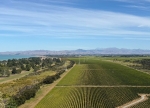
Cromwell Basin – the collective term for the wine regions of Lowburn, Pisa, Bannockburn, Northburn and Bendigo
Cromwell Basin is home to 20% of all wineries in the country, which is incredible for a region with only 5% of New Zealand's total vineyard area. It is located deep in the heart of Central Otago in the valley of Upper Clutha, the southern island of New Zealand. The Cromwell Basin, which extends from Bannockburn in the south to Bendigo in the north, has the highest concentration of vineyards in the region.
Cromwell is a long, north-east-south-west steadily moving glacially gouged basin about five kilometers wide and 45 kilometers long, including the northern extension of the Lindis River valley. The Kawarau River flows east from the Gibbston Valley, joining the Clutha River at the southern end of the Cromwell basin and continuing south as the Clutha River. The water supply is provided by Lake Dunstan. Тhe basin contains a variety of glacial and glacial-related sediments dating from the present to 650,000 years ago.
The Cromwell Basin has developed into Central Otago's most significant wine-growing sub-region and a center for its winemaking facilities as a result of its distinctive terroir and climate. The warm, semi-arid climate, schist soils, and seasonal temperature extremes make it ideal for grape cultivation. The majority of plantings in this wine-growing region are in Pinot Noir grapes.
History
The area's history goes back to the days of the Otago gold rush of the 1860s, when settlers flocked to the mountains and rivers in Central Otago in search of fortune. In 1989, Olssens planted the first vineyard along Felton Road in Bannockburn's southern subregion.
According to the area covered by vines, the Cromwell Basin wine region is the most significant area of Central Otago. Although the original vineyards are concentrated at the southern end, close to the town of Cromwell, they are planted intermittently along the valley for 35 kilometers.
Today, Cromwell Basin it is an important spot for wine production, producing rich, fruit-driven red wines from Pinot Noir of which is by far the most planted variety. Smaller areas of Chardonnay, Riesling and Pinot Gris are also found cultivated.
Stag’s Run, Northburn
Northburn is a sub-region situated north of the town of Cromwell. Its specific micro-terroir produces wines of structure and intensity. Located on the south-eastern banks of lake Dunstan, Northburn’s vineyards stretch up the extreme western slopes, which prevents vines from spring frosts. There, in the heart of Central Otago, lies the Stag's Run Vineyard – the home of Midalidare New Zealand Central Otago Single Vineyard Stag's Run Pinot Noir.
The area enjoys the dry, warm continental climate typical of the Cromwell Basin. Very hot days are followed by much colder nights, extending the growing season and contributing to the development of both rich fruit flavors and acidity in the grapes. The low annual rainfall, around 400 mm, gives a good deal of control over the vineyards through the use of irrigation with glacier water from the lake.
The soils are alluvial - brown forest and pallic, typical for Central Otago. Pallic soils are mainly formed from fine wind-deposited loess and are characterized by pale coloured subsoils, due to low contents of iron oxides. The soils are dry in summer and wet in winter with weak structure and high density in subsurface horizons. The stress that these soils inflict on the vines is highly conducive to premium viticulture and the creation of fine wine. Stressed vines will focus their energies on creating high-quality grapes rather than leafy foliage and will grow deep root systems to access the water deeper in the earth.
The Pinot Noir vines are at an average age of 12 years. The clone is selected and grown in New Zealand. Although not certified, vineyards are farmed organically. The climate is relatively dry, and irrigation water from the Lake Dunstan is used when necessary. The forming is double vertical shoot positioning (VSP or double guyot). The yield is controlled and reduced depending on the vintage. Regulation of production is twofold - green pruning and veraison pruning.
- Marlborough: Wine Region - History, climate, viticulture and sub-regions of Marlborough
- Marlborough: Southern Valleys - The home of Midalidare New Zealand Sauvignon Blanc
- Marlborough: Grapes and Wines - Specifics of the varieties and characteristics of the wines
- Marlborough: Sauvignon Blanc - What sets Marlborough's Sauvignon Blanc apart from other regions?
- Central Otago: Wine region - History, climate, soils and sub-regions of Central Otago
- Central Otago: Grapes and Wines - Specifics of the varieties and wines characteristics
- Pinot Noir in Central Otago - What sets Central Otago's Pinot Noir apart from other regions?
Explore our blog
- Blend & Trend: Popular wine blends by Midalidare - Trendy blending styles
- Classic wine blends - Wine Classics from the Old World
- Sauvignon Blanc vs Chardonnay - Two great white varieties side by side
- Aromatic white grapes - Scent explosion in a glass of white wine
- Carbonic Maceration - Fermentation technique in a completely anaerobic atmosphere
- Cane Cut technique - New name for an old tradition
- Vine pruning celebrations around the world - How they celebrate the growing season beginning in different countries
- Sparkling Wine Guide - Sparkling winemaking - Methods for sparkling winemaking
- Sparkling Wine Guide - Traditional sparkling winemaking - The Champagne method
- Sparkling wine guide – Food pairing - Champagne & Sparkling wine food pairing
- Sparkling Wine Guide: Pas Dosé - Sparkling wine with no added sugar
- Sparkling Wine Guide: Blanc de Noirs - A full-bodied, heady Sparkling
- Wine & Glass pairing: Do specific wine glasses make a difference? - Do specific wine glasses make a difference?
- Wine & Glass pairing: Guide to different types of wine glasses with stem - Anatomy - Part 1: Anatomy of a wine glass
- Wine & Glass pairing: Guide to different types of wine glasses with stem - Part 2: Different types of wine glasses
- Wine & Glass pairing: Rose Wine Glasses - Flared Lip Rose Wine Glass
- Wine & Glass pairing: Rose Wine Glasses - Slight Taper Rose Glass
- Wine & Glass pairing: White Wine Glasses - Sauvignon Blanc Wine Glass
- Wine & Glass pairing: White wine glasses - Unoaked Chardonnay Wine Glass
- Wine & Glass pairing: White wine glasses - Оaked Chardonnay Wine Glass
- Wine & Glass pairing: White wine glasses - Riesling Wine Glass
- Wine & Glass pairing: Red wine glasses - Cabernet/Merlot Wine Glass
- Wine & Glass pairing: Sparkling Wine Glasses - Basic types of Champagne and Sparkling wine glasses
- Wine & Glass pairing: Red wine glasses - Old-world style Syrah
- Midalidare’s grape varieties: Mourvedre - Part 1: The variety
- Midalidare’s grape varieties: Mourvedre - Part 2: The terroirs
- Midalidare’s grape varieties: Mourvedre - Part 3: The wines
- Midalidare’s grape varieties: Mourvedre - Part 4: Serving and storage
- Midalidare’s grape varieties: Mourvedre - Part 5: Food pairing
- Midalidare’s grape varieties: Sauvignon Blanc in a nutshell - Part 1: Essential information about Sauvignon Blanc
- Midalidare’s grape varieties: Sauvignon Blanc - The variety and the terroirs - Part 2: Sauvignon Blanc - Specifics of the variety and appropriate regions
- Midalidare’s grape varieties: Chardonnay - Chardonnay in a nutshell - Part 1: Essential information about Chardonnay
- Midalidare’s grape varieties: Chardonnay - The variety and the terroirs - Part 2: Chardonnay - Specifics of the variety and appropriate regions
- Midalidare’s grape varieties: Merlot in a nutshell - Part 1: Essential information about Merlot
- Midalidare’s grape varieties: Merlot - The variety and the terroirs - Part 2: Merlot - Specifics of the variety and appropriate regions
- Midalidare’s grape varieties: Tannat in a nutshell - Part 1: Essential information about Tannat
- Midalidare’s grape varieties: Tannat – The variety and the terroirs - Part 2: Tannat – Specifics of the variety and appropriate regions
- Midalidare’s grape varieties: Tannat – Wines & winemaking - Part 3: Tannat – Styles of wines and winemaking techniques
- Midalidare’s grape varieties: Tannat - Wine & dine - Part 4: How to serve, store and pair Tannat wine with food
- Midalidare’s grape varieties: Syrah in a nutshell - Part 1: Essential information about Syrah
- Midalidare’s grape varieties: Malbec in a nutshell - Part 1: Essential information about Malbec
- Midalidare’s grape varieties: Malbec – The variety and the terroirs - Part 2: Malbec – Specifics of the variety and appropriate regions
- Midalidare’s grape varieties: Malbec – Wines & winemaking - Part 3: Malbec – Styles of wines and winemaking techniques
- Midalidare’s grape varieties: Malbec - Wine & dine - Part 4: How to serve, store and pair Malbec wine with food