
Marlborough: Southern Valleys subregion

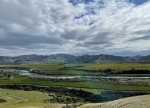
Nestled in New Zealand's famous Marlborough region, the Southern Valleys, alongside its neighbors the Wairau Valley and Awatere Valleys, is a gem in the world of wine. This area isn't just a map location; it's a haven for grapes, where vineyards thrive under the nurturing touch of nature.
Imagine a place where the sun smiles warmly during the day and the cool air whispers through the vineyards at night. This is the Southern Valleys for you, with its rolling hills and fertile plains creating a picturesque backdrop. The soil here is like a patchwork quilt – a mix of clay and loam – each patch adding its own character to the grapes.
Speaking of grapes, the Southern Valleys have a knack for growing some of the best. Pinot Noir, Sauvignon Blanc, Riesling, Pinot Gris, and Chardonnay aren't just names here; they're stars that shine in this wine constellation. They soak up the unique environment, each variety finding its perfect spot to grow and develop those flavors that make Marlborough wines stand out on the global stage.
It's more than just the climate or the soil – it's the magic of the Southern Valleys. It's where nature and human passion for winemaking come together, creating something truly special. This little corner of New Zealand is not just a place where grapes are grown; it's where they're nurtured into bottles of joy.
Location
Located in the Marlborough region of New Zealand, the Southern Valleys subregion features a captivating landscape defined by gently rolling hills and picturesque terrain. Nestled within this undulating topography, vineyards thrive, benefiting from the diverse terrain that imparts unique characteristics to the wines. The vineyards' strategic placement amidst the hills not only creates a visually stunning vista of lush greenery but also contributes significantly to the flavor profile of the wines produced in this remarkable part of the world. The Southern Valleys' landscape, with its harmonious blend of nature's beauty and viticultural opportunity, stands as a testament to the artistry of winemaking in Marlborough.
Climate
The climate in the Southern Valleys subregion is influenced significantly by its proximity to the ocean, which plays a pivotal role in shaping the vineyards. The coastal location moderates temperatures, creating a climate that is generally mild, with warm summers and cool evenings. This diurnal temperature variation is essential for grape ripening and the development of complex flavors. Rainfall is relatively low in the region, which not only helps to minimize the risk of vine diseases but also allows for precise control over irrigation, ensuring optimal grapevine health and fruit quality.
Additionally, the Southern Valleys receive an abundance of sunshine hours, which is crucial for grape maturation and the accumulation of sugars and flavors. This unique climate, with its delicate balance of maritime influence and favorable growing conditions, contributes significantly to the subregion's reputation for producing wines that capture the essence of the terroir with exceptional finesse and character.
While the Wairau River moderates the viticultural climate along the fringes of the Wairau Plains, cold air descends from the nearby Wither Hills into the Southern valleys creating a cooler, later ripening climate than that of the growing areas on the opposite, northern side of the Wairau plain.
Soils
The Southern Valleys subregion of Marlborough, New Zealand, boasts a rich tapestry of soil types that significantly influence the wines produced here.
The soils of the Ben Morven, Brancott, Omaka, Fairhall and Waihopai Valleys (as a group referred to as the Southern Valleys) that lie to the south of the Wairau plains, typically originated from glacial outwash. Less extensively worked by the river system, these soils tend to have significant amounts of silt and gravel but also exhibit higher levels of clay than the other subregions. Spreading like the fingers on a hand into the valleys along the Wither Hill ranges, the Southern Valleys provide opportunities to plant either on the valley fringes or further up the undulating hillsides.
1. Gravel Soils: Gravelly soils are prominent in the Southern Valleys subregion, characterized by their excellent drainage properties. These soils consist of small stones and pebbles, encouraging deep root penetration and enhancing grape concentration.
2. Clay Soils: Some areas in the Southern Valleys feature clay soils, which retain moisture and nutrients. This type of soil often results in wines with good structure and texture.
3. Loam Soils: Loamy soils, a mixture of sand, silt, and clay, are prevalent in the subregion. They offer a balanced environment for vine growth, combining moderate drainage with moisture retention, resulting in wines with harmonious flavor profiles.
4. Alluvial Soils: Alluvial soils, deposited by the Wairau River, are rich and fertile. They provide an array of nutrients and excellent water retention, promoting lush fruit flavors in grapes.
5. Marl Soils: Marl soils, composed of clay and limestone, contribute to the unique character of some vineyards in the Southern Valleys. These soils offer good drainage and the potential to impart distinctive mineral nuances to the wines.
These diverse soil types within the Southern Valleys subregion provide winemakers with a wide range of options to match specific grape varieties with the ideal terroir, resulting in wines that reflect the nuanced characteristics of this captivating subregion.
- Marlborough: Wine Region - History, climate, viticulture and sub-regions of Marlborough
- Marlborough: Grapes and Wines - Specifics of the varieties and characteristics of the wines
- Marlborough: Sauvignon Blanc - What sets Marlborough's Sauvignon Blanc apart from other regions?
- Central Otago: Wine region - History, climate, soils and sub-regions of Central Otago
- Central Otago: Cromwell - The home of Midalidare New Zealand Central Otago Stag’s Run Pinot Noir
- Central Otago: Grapes and Wines - Specifics of the varieties and wines characteristics
- Pinot Noir in Central Otago - What sets Central Otago's Pinot Noir apart from other regions?
Explore our blog
- Blend & Trend: Popular wine blends by Midalidare - Trendy blending styles
- Classic wine blends - Wine Classics from the Old World
- Sauvignon Blanc vs Chardonnay - Two great white varieties side by side
- Aromatic white grapes - Scent explosion in a glass of white wine
- Carbonic Maceration - Fermentation technique in a completely anaerobic atmosphere
- Cane Cut technique - New name for an old tradition
- Vine pruning celebrations around the world - How they celebrate the growing season beginning in different countries
- Sparkling Wine Guide - Sparkling winemaking - Methods for sparkling winemaking
- Sparkling Wine Guide - Traditional sparkling winemaking - The Champagne method
- Sparkling wine guide – Food pairing - Champagne & Sparkling wine food pairing
- Sparkling Wine Guide: Pas Dosé - Sparkling wine with no added sugar
- Sparkling Wine Guide: Blanc de Noirs - A full-bodied, heady Sparkling
- Wine & Glass pairing: Do specific wine glasses make a difference? - Do specific wine glasses make a difference?
- Wine & Glass pairing: Guide to different types of wine glasses with stem - Anatomy - Part 1: Anatomy of a wine glass
- Wine & Glass pairing: Guide to different types of wine glasses with stem - Part 2: Different types of wine glasses
- Wine & Glass pairing: Rose Wine Glasses - Flared Lip Rose Wine Glass
- Wine & Glass pairing: Rose Wine Glasses - Slight Taper Rose Glass
- Wine & Glass pairing: White Wine Glasses - Sauvignon Blanc Wine Glass
- Wine & Glass pairing: White wine glasses - Unoaked Chardonnay Wine Glass
- Wine & Glass pairing: White wine glasses - Оaked Chardonnay Wine Glass
- Wine & Glass pairing: White wine glasses - Riesling Wine Glass
- Wine & Glass pairing: Red wine glasses - Cabernet/Merlot Wine Glass
- Wine & Glass pairing: Sparkling Wine Glasses - Basic types of Champagne and Sparkling wine glasses
- Wine & Glass pairing: Red wine glasses - Old-world style Syrah
- Midalidare’s grape varieties: Mourvedre - Part 1: The variety
- Midalidare’s grape varieties: Mourvedre - Part 2: The terroirs
- Midalidare’s grape varieties: Mourvedre - Part 3: The wines
- Midalidare’s grape varieties: Mourvedre - Part 4: Serving and storage
- Midalidare’s grape varieties: Mourvedre - Part 5: Food pairing
- Midalidare’s grape varieties: Sauvignon Blanc in a nutshell - Part 1: Essential information about Sauvignon Blanc
- Midalidare’s grape varieties: Sauvignon Blanc - The variety and the terroirs - Part 2: Sauvignon Blanc - Specifics of the variety and appropriate regions
- Midalidare’s grape varieties: Chardonnay - Chardonnay in a nutshell - Part 1: Essential information about Chardonnay
- Midalidare’s grape varieties: Chardonnay - The variety and the terroirs - Part 2: Chardonnay - Specifics of the variety and appropriate regions
- Midalidare’s grape varieties: Merlot in a nutshell - Part 1: Essential information about Merlot
- Midalidare’s grape varieties: Merlot - The variety and the terroirs - Part 2: Merlot - Specifics of the variety and appropriate regions
- Midalidare’s grape varieties: Tannat in a nutshell - Part 1: Essential information about Tannat
- Midalidare’s grape varieties: Tannat – The variety and the terroirs - Part 2: Tannat – Specifics of the variety and appropriate regions
- Midalidare’s grape varieties: Tannat – Wines & winemaking - Part 3: Tannat – Styles of wines and winemaking techniques
- Midalidare’s grape varieties: Tannat - Wine & dine - Part 4: How to serve, store and pair Tannat wine with food
- Midalidare’s grape varieties: Syrah in a nutshell - Part 1: Essential information about Syrah
- Midalidare’s grape varieties: Malbec in a nutshell - Part 1: Essential information about Malbec
- Midalidare’s grape varieties: Malbec – The variety and the terroirs - Part 2: Malbec – Specifics of the variety and appropriate regions
- Midalidare’s grape varieties: Malbec – Wines & winemaking - Part 3: Malbec – Styles of wines and winemaking techniques
- Midalidare’s grape varieties: Malbec - Wine & dine - Part 4: How to serve, store and pair Malbec wine with food