
Midalidare’s Grape Varieties: Sauvignon Blanc - Wine & Dine

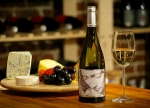
Like all white wines, Sauvignon Blanc should be served chilled. If the wine is too warm, the alcohol will be more noticeable while flavors and acidity will taste dull. Too cold, and the aromas and flavors are muted.
The best serving temperature is between 8ºC and 12ºC. Serve at 8-10ºC if the wine is unoaked and at 10-12ºC if the wine is oaked.
If you do not finish a bottle of Sauvignon Blanc, replace the cork, and stick it back in the fridge. The flavors will stay fresh for 2–4 days. Beyond that, the wine will start to oxidize. At that point, it is best used for cooking.
Proper wine glass
Like all whites, Sauvignon Blanc wines could be served in regular White wine glass. However, the wine would benefit from serving it in Sauvignon Blanc Wine glass: tall and narrow, with a slightly slender bowl concentrating on a white wine’s fruity flavors. The slim bowl runs proportionate to its topmost rim, which slants delicately inward to funnel fruit flavors and aromas to the nose and front of the mouth.
All wines should be stored in a cool, dry place away from heat and light. Most Sauvignon Blanc should be consumed early and with a chill, so keep a few bottles on hand in the refrigerator. Either laying bottles down on their side or storing upright is fine.
Sauvignon Blanc food pairing in general
Due to high acidity and bright, fresh flavors, Sauvignon Blanc is a food-friendly wine.
Meat Pairings: White meats including Chicken, Pork Chop and Turkey. Fish including Tilapia, Sea Bass, Perch, Sole, Haddock, Trout, Cod, Redfish, Halibut, Snapper, Mussels, Crab, Lobster, and Clams.
Cheese Pairings: Look for softer more briny and sour cheeses like Goat’s milk cheese, Yogurt, and Creme fraiche.
Vegetables & Vegetarian Fare Pairings: Saute green veggies or mix vegetables in more fatty vegetarian dishes so that the acidity of the wine shines through. Here are some example dishes for inspiration: Asparagus quiche, cucumber dill yogurt salad, green hummus, white bean casserole with zucchini and white lasagna.
Spices and Herbs Pairings: Green herbs including Parsley, Basil, Mint, Tarragon, Thyme, Dill, Chives, and Rosemary. Spices including White Pepper, Coriander, Fennel, Turmeric, and Saffron.
Food pairings according to region of origin
As with other grape varieties, Sauvignon Blanc style varies markedly from one part of the world to the other - from the crisp minerally whites of the Loire to the exuberant gooseberry and passionfruit flavours of sauvignons from New Zealand's Marlborough region. Although many are interchangeable so far as food pairings are concerned others suit specific types of dishes and ingredients.
Minerally Sauvignon Blancs, for instance Sancerre, Pouilly Fume and Sauvignon Blanc from Tasmania: pair with simple, barely seasoned ingredients such as raw and lightly cooked shellfish like oysters and shell-on prawns, fresh crab, and simply grilled fish such as sea bass. They also go well with dishes that contain raw or barely cooked tomato such as gazpacho, tomato consommé or tomato vinaigrettes and young goats' cheeses - or salads that contain goat cheese and have an affinity with fresh herbs, especially dill.
Citrussy Sauvignon Blancs, for instance unoaked white Bordeaux, Sauvignon Blanc from the Adelaide Hills, and Chilean Sauvignon Blanc: pair this more citrussy style with grilled fish, especially oily fish such as sardines and mackerel, big garlicky prawns, and chargrilled squid. They also pair well with fried fish like goujons, whitebait and fish and chips and with simply grilled chicken or lamb (without a powerful marinade). In terms of ethnic cuisines, they work well with Greek and Mexican food and other fresh-tasting dishes with avocados, tomatoes, green onions, olives, and sharp cheeses like feta (though be careful not to neutralize their character with over-lemony dressings). They also pair well with cheeses flavoured with garlic and herbs such as Le Roule and Boursin. And this, in my view, is the best type of Sauvignon Blanc to drink with globe artichokes.
Aromatic, grassy-herbaceous Sauvignon Blancs and Sauvignon blends, for instance New Zealand Sauvignon Blanc and wines from cooler regions elsewhere such as South Africa's Elgin region: pair with salads especially if they contain seafood and/or ‘grassy’ ingredients such as asparagus, pea-shoots, green peppers and herbs. You can drink them with similar dishes to minerally Sauvignon Blancs, but where the flavours are more pronounced e.g. seafood with south-east Asian flavours such as lime, chilli and coriander or Thai fish cakes. Try them with pea soup and dishes accompanied by pea purées too. And this style of sauvignon is a good wine match with Japanese dishes such as sushi and sashimi, seafood-based steamed and fried dim sum, and smoked salmon, particularly if the smoke is delicate.
Oaked Sauvignons and Sauvignon/Semillon blends, for instance: oaked white Bordeaux and Fume Blanc styles: You can drink these where you might reach for a Chardonnay or straight Semillon - with white meats such as chicken or veal especially if accompanied by a creamy sauce or with spring vegetables such as asparagus and peas. Pasta dishes with spring vegetables and buttery or creamy sauces work well too. They also suit simply grilled or pan-fried salmon, scallops, and lightly smoked fish such as smoked eel and trout.
For lighter mineral-soaked styles, like Loire Valley Sancerre, Sauvignon Blanc makes a nice aperitif with fresh cheeses like chevre (goat), or with oysters, shellfish and white fishlike trout, cod, and halibut. More pungent, herbal expressions like those from New Zealand, pair well with classic kitchen herbs and vegetables. Think grilled asparagus with parsley, sautéed green beans and mint, and big salads topped in basil. For protein, fish, chicken and pork, especially with citrus sauces, work great. Riper, higher alcohol Sauvignon Blanc like those from Napa, can handle heavier sauces and grilled white meats. The key is to match the wine’s weight and flavor intensity with the weight and flavor intensity of the food.
There is also one classic pairing of Sauvignon Blanc that started in the Loire Valley. Close to Sancerre there is a goat cheese produced called Crottin de Chavignol and it has an international reputation as an outstanding stinky-creamy cheese. A bite of Crottin with a splash of Sauvignon Blanc is considered a classic perfect pairing.
- Midalidare’s grape varieties: Sauvignon Blanc in a nutshell - Part 1: Essential information about Sauvignon Blanc
- Midalidare’s grape varieties: Sauvignon Blanc - The variety and the terroirs - Part 2: Sauvignon Blanc - Specifics of the variety and appropriate regions
- Midalidare’s grape varieties: Sauvignon Blanc – Wines & winemaking - Part 3: Sauvignon Blanc – Styles of wines and winemaking techniques
Explore our blog
- Blend & Trend: Popular wine blends by Midalidare - Trendy blending styles
- Classic wine blends - Wine Classics from the Old World
- Sauvignon Blanc vs Chardonnay - Two great white varieties side by side
- Aromatic white grapes - Scent explosion in a glass of white wine
- Carbonic Maceration - Fermentation technique in a completely anaerobic atmosphere
- Cane Cut technique - New name for an old tradition
- Vine pruning celebrations around the world - How they celebrate the growing season beginning in different countries
- Malbec vs Tannat - Two great red close relative varieties side by side
- Colours in wine labeling - What do Midalidare monochrome labels tell us about the wines?
- Sparkling Wine Guide: Sparkling winemaking - Methods for sparkling winemaking
- Sparkling Wine Guide: Traditional sparkling winemaking - The Champagne method
- Sparkling Wine Guide: Food pairing - Champagne & Sparkling wine food pairing
- Sparkling Wine Guide: Pas Dosé - Sparkling wine with no added sugar
- Sparkling Wine Guide: Blanc de Noirs - A full-bodied, heady Sparkling
- Sparkling Wine Guide: Blanc de Blancs - Sparkling wine all finesse and lightness
- Sparkling Wine Guide: Non-vintage Brut Style - A sparkling wine for all occasions
- Sparkling Wine Guide: Sparkling Rosé Style - A style of elegance and diversity
- Sparkling Wine Guide: Sparkling wines by ageing - Vintage vs Non-vintage
- Sparkling Wine Guide: Sparkling wines by sweetness scale - How much sugar in sparkling wine
- Sparkling Wine Guide: Sparkling wines by region - Sparkling wine journey around the world
- Sparkling Wine Guide: Oak ageing of sparkling wines - Oak usage in traditional sparkling winemaking
- Wine & Glass pairing: Do specific wine glasses make a difference? - Do specific wine glasses make a difference?
- Wine & Glass pairing: Guide to different types of wine glasses with stem - Anatomy - Part 1: Anatomy of a wine glass
- Wine & Glass pairing: Guide to different types of wine glasses with stem - Part 2: Different types of wine glasses
- Wine & Glass pairing: Rose Wine Glasses - Flared Lip Rose Wine Glass
- Wine & Glass pairing: Rose Wine Glasses - Slight Taper Rose Glass
- Wine & Glass pairing: White Wine Glasses - Sauvignon Blanc Wine Glass
- Wine & Glass pairing: White wine glasses - Unoaked Chardonnay Wine Glass
- Wine & Glass pairing: White wine glasses - Оaked Chardonnay Wine Glass
- Wine & Glass pairing: White wine glasses - Riesling Wine Glass
- Wine & Glass pairing: Red wine glasses - Cabernet/Merlot Wine Glass
- Wine & Glass pairing: Sparkling Wine Glasses - Basic types of Champagne and Sparkling wine glasses
- Wine & Glass pairing: Red wine glasses - Old-world style Syrah
- Marlborough: Wine Region - History, climate, viticulture and sub-regions of Marlborough
- Marlborough: Southern Valleys - The home of Midalidare New Zealand Sauvignon Blanc
- Marlborough: Grapes and Wines - Specifics of the varieties and characteristics of the wines
- Marlborough: Sauvignon Blanc - What sets Marlborough's Sauvignon Blanc apart from other regions?
- Central Otago: Wine region - History, climate, soils and sub-regions of Central Otago
- Central Otago: Cromwell - The home of Midalidare New Zealand Central Otago Stag’s Run Pinot Noir
- Central Otago: Grapes and Wines - Specifics of the varieties and wines characteristics
- Pinot Noir in Central Otago - What sets Central Otago's Pinot Noir apart from other regions?
- Midalidare’s grape varieties: Mourvedre - Part 1: The variety
- Midalidare’s grape varieties: Mourvedre - Part 2: The terroirs
- Midalidare’s grape varieties: Mourvedre - Part 3: The wines
- Midalidare’s grape varieties: Mourvedre - Part 4: Serving and storage
- Midalidare’s grape varieties: Mourvedre - Part 5: Food pairing
- Midalidare’s grape varieties: Chardonnay - Chardonnay in a nutshell - Part 1: Essential information about Chardonnay
- Midalidare’s grape varieties: Chardonnay - The variety and the terroirs - Part 2: Chardonnay - Specifics of the variety and appropriate regions
- Midalidare’s grape varieties: Merlot in a nutshell - Part 1: Essential information about Merlot
- Midalidare’s grape varieties: Merlot - The variety and the terroirs - Part 2: Merlot - Specifics of the variety and appropriate regions
- Midalidare’s grape varieties: Tannat in a nutshell - Part 1: Essential information about Tannat
- Midalidare’s grape varieties: Tannat – The variety and the terroirs - Part 2: Tannat – Specifics of the variety and appropriate regions
- Midalidare’s grape varieties: Tannat – Wines & winemaking - Part 3: Tannat – Styles of wines and winemaking techniques
- Midalidare’s grape varieties: Tannat - Wine & dine - Part 4: How to serve, store and pair Tannat wine with food
- Midalidare’s grape varieties: Syrah in a nutshell - Part 1: Essential information about Syrah
- Midalidare’s grape varieties: Malbec in a nutshell - Part 1: Essential information about Malbec
- Midalidare’s grape varieties: Malbec – The variety and the terroirs - Part 2: Malbec – Specifics of the variety and appropriate regions
- Midalidare’s grape varieties: Malbec – Wines & winemaking - Part 3: Malbec – Styles of wines and winemaking techniques
- Midalidare’s grape varieties: Malbec - Wine & dine - Part 4: How to serve, store and pair Malbec wine with food