
Versatile Sauvignon Blanc

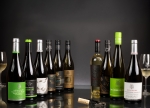
Sauvignon Blanc is a highly adaptable grape variety, exhibiting different styles of wine depending on the climate and winemaking techniques used. This versatility is one of its most appealing characteristics among winemakers.
Sauvignon Blanc is a chameleon. It grows well on a variety of soils and in very cool to moderately warm climates. It stands on its own but is an agreeable blending grape. It is exceptional in its purity when unoaked and can have power and complexity when barrel aged.
Versatility in Wine & Dine
Sauvignon Blanc may be the most versatile food wine on planet Earth, bar none. It matches seamlessly with chicken, fresh seafood or goat cheese but is also a reliable choice when dealing with notoriously difficult wine pairing foods such as asparagus or artichokes.
The mouthwatering acidity in Sauvignon Blanc is also an ideal textural match for the acidity in tomatoes; fresh salsa, gazpacho or bruschetta, for example.
You could also call it the quintessential “anything but Chardonnay” wine, too, as it typically has none of the oaky, buttery flavors. The standard practice is to ferment the must in neutral vessels such as stainless steel to not detract from Sauvignon Blanc’s vibrant essence.
Versatility in winegrowing
Sauvignon Blanc has been cultivated for wine for several hundred years. Its origins have been hypothesized to be either Southwest France or France’s Jura Mountains. Ampelography (through DNA testing) has determined that Sauvignon Blanc and Cabernet Franc naturally crossed a few hundred years ago to create Cabernet Sauvignon. So it’s a kingmaker, too.
Unlike most French grapes Sauvignon Blanc has two equal home bases: the Loire Valley and Bordeaux. Small amounts have also filtered into Burgundy’s village of St. Bris. In the Loire AOCs of Sancerre, Pouilly-Fume, Quincy, and Menetou Salon, it is often light and crisp with no new oak. In the slightly warmer Bordeaux region, especially in Graves, it is often blended with Semillon and barrel fermented.
The same treatment applies in Bordeaux’s famous sweet wine AOCs: Sauternes, Barsac, Ceron, Cadillac, Loupiac, and St. Croix du Mont. Here, Noble Rot (aka Botrytis Cinerea) is responsible for shriveling the grapes and concentrating the sugars for sublime, age-worthy dessert wines.
Outside of France, Sauvignon Blanc is grown in dozens of countries, New and Old World, Northern and Southern Hemisphere. New Zealand took the world by storm in the 1970s when they planted vines in Marlborough. But they had actually grown Sauvignon Blanc in other parts of New Zealand since the 1800s. Other important regions include Stellenbosch, South Africa; Casablanca and Leyda, Chile; and Adelaide Hills and Margaret River, Australia. Surprising to some is that there is a huge production of high-quality Sauvignon Blanc in Friuli, Italy and Styria, Austria, to name a few Old-World haunts.
Cooler Climates
In cooler climates, Sauvignon Blanc wine is often light-bodied, high in acidity, and exhibits pronounced mineral and herbaceous flavours. These wines are typically unoaked and have vibrant notes of green apple, gooseberry, and lime, coupled with a distinctive grassy aroma.
Warmer Climates
In contrast, Sauvignon Blanc produces fuller-bodied wines with riper, more tropical fruit flavours such as passionfruit, guava, and peach. These wines may also be aged in oak barrels, resulting in a richer, creamier texture and adding nuanced flavours of vanilla and toast to the wine's profile.
Is Sauvignon Blanc Sweet?
Sauvignon Blanc can be sweet as it is also used in the production of sweet dessert wines. It is often blended with Sémillon and Muscadelle and affected by noble rot, creating a lush, honeyed wine with complex flavours of apricot, fig, and nuts.
Versatility in winemaking
Winemaking Techniques & Styles
- Stainless Steel / Crisp & Aromatic: Fermenting in temperature-controlled steel preserves the grape’s natural high acidity, racy minerality, and vibrant aromatics (grapefruit, green apple, and freshly cut grass). This is standard for Marlborough, Sancerre, and cool-climate regions globally.
- Lees Contact (Sur Lie): Stirring the wine periodically on its dead yeast cells adds creamy texture, weight, and complexity to the palate, toning down aggressive green notes.
- Oak Aging / "Fumé Blanc": Fermenting or aging the wine in oak barrels softens the acidity, adding flavors of vanilla, toast, and spice. This technique yields a richer, fuller-bodied style often referred to as Fumé Blanc.
- Blending: Winemakers frequently blend Sauvignon Blanc with Sémillon (a traditional Bordeaux practice). This softens the acidity while adding waxy, honeyed characteristics that drastically improve aging potential.
- Sweet Dessert Wines: In regions with favorable humidity, the grapes can be affected by "noble rot" (Botrytis), allowing for the creation of incredibly rich, honeyed, and complex sweet wines like Sauternes.
Sauvignon Blanc blends
The most popular Sauvignon Blanc blends and their characteristics include:
1. Sémillon (Bordeaux & Margaret River)
This is the most iconic Sauvignon Blanc blend, originating in Bordeaux, France, and famously produced in Margaret River, Australia.
The Role of Sauvignon Blanc: Provides racy acidity, freshness, and vibrant citrus/herbaceous aromatics.
The Role of Sémillon: Adds body, richness, and flavors of honey, wax, and toast.
Result: A highly textured, balanced, and age-worthy white wine.
2. Muscadelle (Bordeaux & New World)
Often used as a supporting player in the traditional white Bordeaux blend.
The Role of Muscadelle: Contributes pronounced floral aromas and a slight grapey sweetness.
Result: Enhances the aromatic complexity of a dry or sweet Sauvignon Blanc-dominant wine.
3. Verdejo (Spain)
Commonly blended together in the Rueda region of Spain.
The Role of Verdejo: Offers similar crisp, zesty characteristics but brings a softer, fruitier roundness (like peach and melon) and slight bitterness on the finish.
Result: A crisp, invigorating, and easy-drinking white blend.
4. Chardonnay or Viognier (New World)
Winemakers in California, Australia, and other warm climates occasionally blend these grapes.
The Role of Chardonnay/Viognier: Softens Sauvignon Blanc's sharp acidity and introduces tropical fruit notes and a buttery, creamy texture.
Result: Creates a fuller-bodied, fruit-forward wine that pairs exceptionally well with rich dishes like risottos and roasted white meats.
5. Sweet Blends (Sauternes and Barsac)
In the sweet wine regions of Bordeaux (such as Sauternes), Sauvignon Blanc is blended with botrytis-affected (noble rot) Sémillon and Muscadelle. [1]
Result: The Sauvignon Blanc provides the essential crisp acidity that balances the intensely sweet, honeyed flavors of the rot-affected grapes, resulting in a luscious dessert wine.
6. Chardonnay & Viognier & Sauvignon Blanc: Midalidare’s curious blend in 42/25 brand
In 2020 Midalidare launched the 42/25 brand, and the most experimental wine was the blend of 40% Chardonnay, 35% Viognier and 25% Sauvignon Blanc. You might usually expect oak in Chardonnay and/or Viognier but the in this wine Sauvignon was the choice: Chardonnay and Viognier are fermented in stainless steel and the Sauvignon Blanc – in oak.
Result: Gorgeous bouquet of citrus and stone fruits, flowers and herbs, enhanced by butter and vanilla notes. A mineral, perfectly balanced wine with a pronounced taste of ripe fruit, peach blossom, and oak notes.
Explore our blog
- Blend & Trend: Popular wine blends by Midalidare - Trendy blending styles
- Classic wine blends - Wine Classics from the Old World
- Sauvignon Blanc vs Chardonnay - Two great white varieties side by side
- Aromatic white grapes - Scent explosion in a glass of white wine
- Carbonic Maceration - Fermentation technique in a completely anaerobic atmosphere
- Cane Cut technique - New name for an old tradition
- Vine pruning celebrations around the world - How they celebrate the growing season beginning in different countries
- Malbec vs Tannat - Two great red close relative varieties side by side
- Colours in wine labeling - What do Midalidare monochrome labels tell us about the wines?
- Sauvignon Blanc vs Pinot Gris - Crisp White Wine Excellence
- Sparkling Wine Guide: Sparkling winemaking - Methods for sparkling winemaking
- Sparkling Wine Guide: Traditional sparkling winemaking - The Champagne method
- Sparkling Wine Guide: Food pairing - Champagne & Sparkling wine food pairing
- Sparkling Wine Guide: Pas Dosé - Sparkling wine with no added sugar
- Sparkling Wine Guide: Blanc de Noirs - A full-bodied, heady Sparkling
- Sparkling Wine Guide: Blanc de Blancs - Sparkling wine all finesse and lightness
- Sparkling Wine Guide: Non-vintage Brut Style - A sparkling wine for all occasions
- Sparkling Wine Guide: Sparkling Rosé Style - A style of elegance and diversity
- Sparkling Wine Guide: Sparkling wines by ageing - Vintage vs Non-vintage
- Sparkling Wine Guide: Sparkling wines by sweetness scale - How much sugar in sparkling wine
- Sparkling Wine Guide: Sparkling wines by region - Sparkling wine journey around the world
- Sparkling Wine Guide: Oak ageing of sparkling wines - Oak usage in traditional sparkling winemaking
- Marlborough: Wine Region - History, climate, viticulture and sub-regions of Marlborough
- Marlborough: Southern Valleys - The home of Midalidare New Zealand Sauvignon Blanc
- Marlborough: Grapes and Wines - Specifics of the varieties and characteristics of the wines
- Marlborough: Sauvignon Blanc - What sets Marlborough's Sauvignon Blanc apart from other regions?
- Central Otago: Wine region - History, climate, soils and sub-regions of Central Otago
- Central Otago: Cromwell - The home of Midalidare New Zealand Central Otago Stag’s Run Pinot Noir
- Central Otago: Grapes and Wines - Specifics of the varieties and wines characteristics
- Pinot Noir in Central Otago - What sets Central Otago's Pinot Noir apart from other regions?
- Midalidare’s grape varieties: Malbec in a nutshell - Part 1: Essential information about Malbec
- Midalidare’s grape varieties: Syrah in a nutshell - Part 1: Essential information about Syrah
- Midalidare’s grape varieties: Tannat in a nutshell - Part 1: Essential information about Tannat
- Midalidare’s grape varieties: Merlot in a nutshell - Part 1: Essential information about Merlot
- Midalidare’s grape varieties: Mourvedre - Part 1: The variety
- Midalidare’s grape varieties: Sauvignon Blanc in a nutshell - Part 1: Essential information about Sauvignon Blanc
- Midalidare’s grape varieties: Chardonnay in a nutshell - Part 1: Essential information about Chardonnay
- Wine & Glass pairing: Do specific wine glasses make a difference? - Do specific wine glasses make a difference?
- Wine & Glass pairing: Guide to different types of wine glasses with stem - Anatomy - Part 1: Anatomy of a wine glass
- Wine & Glass pairing: Guide to different types of wine glasses with stem - Part 2: Different types of wine glasses
- Wine & Glass pairing: Rose Wine Glasses - Flared Lip Rose Wine Glass
- Wine & Glass pairing: Rose Wine Glasses - Slight Taper Rose Glass
- Wine & Glass pairing: White Wine Glasses - Sauvignon Blanc Wine Glass
- Wine & Glass pairing: White wine glasses - Unoaked Chardonnay Wine Glass
- Wine & Glass pairing: White wine glasses - Оaked Chardonnay Wine Glass
- Wine & Glass pairing: White wine glasses - Riesling Wine Glass
- Wine & Glass pairing: Red wine glasses - Cabernet/Merlot Wine Glass
- Wine & Glass pairing: Sparkling Wine Glasses - Basic types of Champagne and Sparkling wine glasses
- Wine & Glass pairing: Red wine glasses - Old-world style Syrah