
Chardonnay vs Viognier

Chardonnay and Viognier are both popular white wines, but they offer very different drinking experiences. Viognier is known for its powerful aromas and lush, full texture, while Chardonnay stands out for its versatility and ability to reflect the place where it is grown.
These two white grape varieties represent two radically different philosophies of white wine: Chardonnay, a discreet chameleon that adapts to everything, and Viognier, an explosive personality whose floral aromas assert themselves without asking permission.
Chardonnay: A True Citizen of the Wine World
Chardonnay's origins trace to Burgundy, where DNA analysis confirmed it as a natural cross between Pinot Noir and Gouais Blanc. That parentage makes it a genetic sibling to Gamay Noir, Melon, and Aligoté. Chardonnay buds early and ripens early, which makes it productive and adaptable. It thrives on limestone and calcareous clay soils, and it has colonized virtually every wine-producing country on earth. Chardonnay bends to its environment like no other white grape. Winemakers prize it for its malleability: barrel fermentation, barrel maturation, malolactic conversion, and lees stirring all distinct leave fingerprints on the finished wine.
Today, Chardonnay is grown in nearly every major wine-producing country, from the chalky slopes of Chablis and the sun-soaked valleys of California to the windswept coasts of Australia and New Zealand. Its remarkable adaptability allows it to thrive in a wide range of climates and soils, producing wines that can be crisp and mineral-driven, lush and tropical, or anything in between. This flexibility, along with its ability to reflect the character of each region, has made Chardonnay one of the most beloved and recognizable white grapes around the globe.
Viognier: From Rhône Rarity to Global Favorite
Viognier traces its roots to the Northern Rhône Valley of France, where tiny pockets of the grape survived near extinction in the last century. Legendary appellations like Condrieu and Château-Grillet remain the heartland of Viognier, producing intensely aromatic, full-bodied wines that are benchmarks for the variety.
Viognier's story is smaller and more precarious. By the late 1960s, the variety had nearly gone extinct in the Northern Rhône. Susceptibility to coulure (poor fruit set during flowering) and stubbornly low yields made it a financial risk few growers were willing to take. The grape's revival began as global interest in Rhône varieties spread during the 1980s. In recent decades, Viognier’s fortunes have changed dramatically, with plantings spreading to new regions in the United States, Australia, South Africa, and beyond. California’s Central Coast, Washington’s Columbia Valley, and even Virginia have embraced Viognier, each offering their own unique spin on the grape’s signature floral and stone fruit flavors. Today, Viognier stands as a symbol of both tradition and revival, cherished by winemakers and wine drinkers across continents.
How Viognier and Chardonnay Taste
Chardonnay's Flavor Spectrum
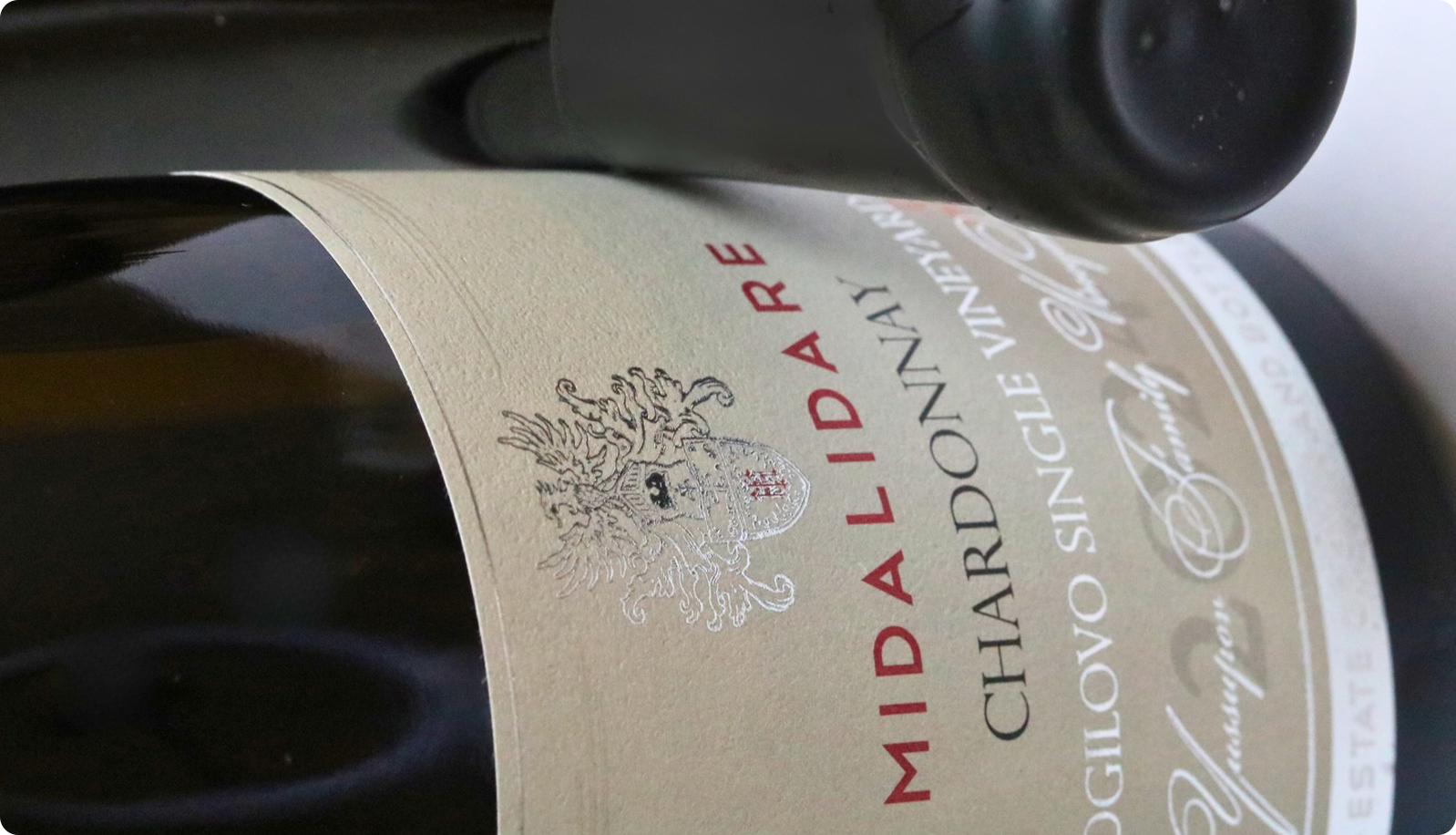
Climate is the biggest variable in Chardonnay's flavor profile. In cool regions like Chablis, Mâconnais, or parts of Sonoma Coast, expect green apple, lemon zest, wet stone, and a chalky mineral finish. Warmer sites in Napa, the Central Coast, and parts of Australia push the fruit toward peach, melon, and tropical notes like pineapple and guava. The gap between those two poles is wide enough that many drinkers do not realize they are tasting the same grape.
Oak amplifies the range further. Barrel fermentation and aging introduce vanilla, toast, butter, and hazelnut. Extended lees contact adds creaminess. Stainless steel keeps everything lean and bright. This versatility is Chardonnay's defining trait: no other white grape can credibly produce both a razor-sharp Chablis and a rich, golden Montrachet.
Viognier's Aromatic Signature
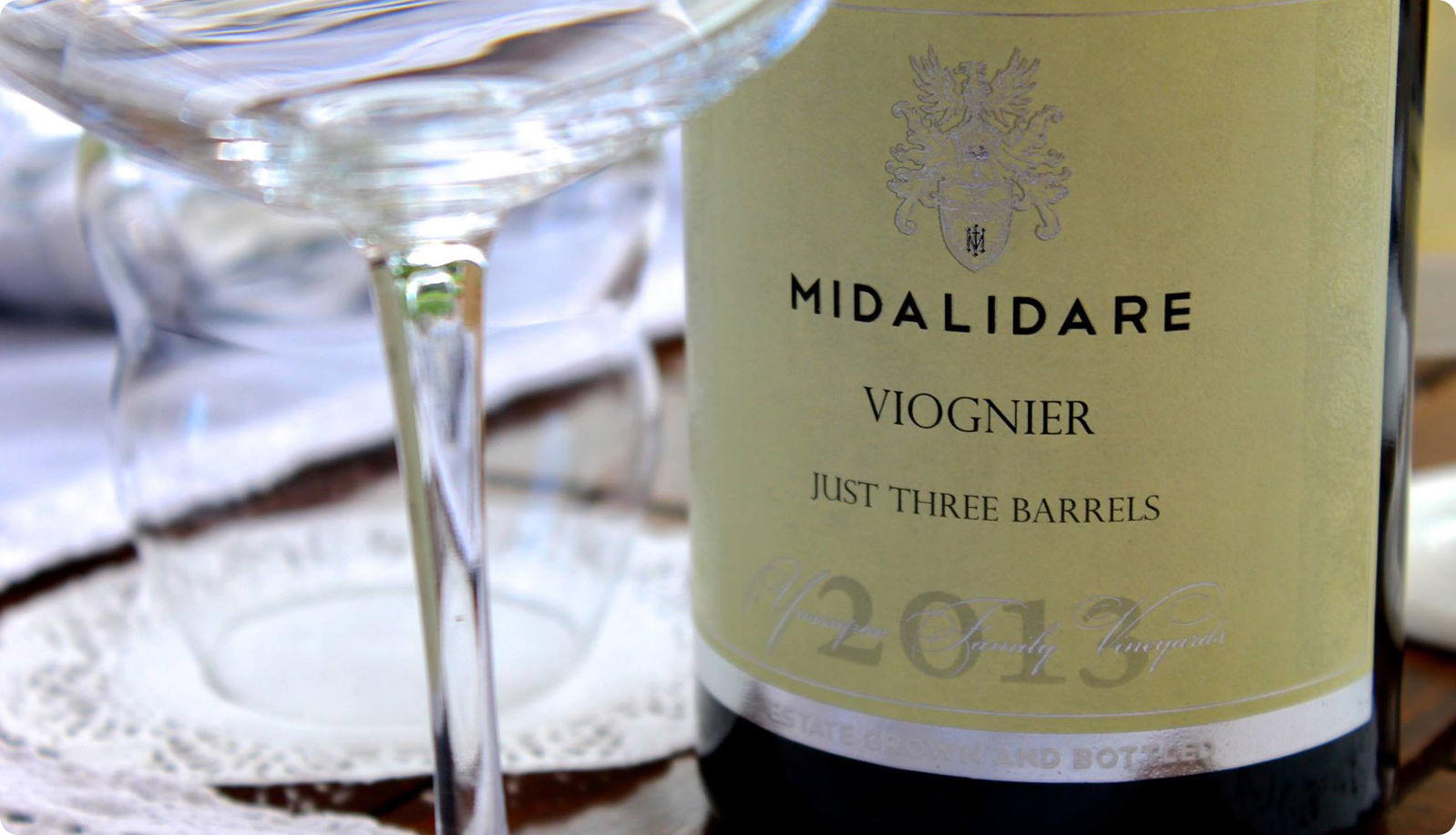
Where Chardonnay adapts, Viognier insists. The grape's calling card is intense perfume: honeysuckle, orange blossom, jasmine, and May blossom leap from the glass before you take a sip. Stone fruit follows, with apricot, white peach, and mango forming the core palate. Some bottlings carry a ginger or baking-spice note that adds complexity without heaviness.
Viognier's acidity runs lower than Chardonnay's, which creates a round, almost oily mouthfeel. That combination of intense aromatics and soft acidity is why Viognier often tastes sweeter than it actually is. The perceived sweetness comes from scent and texture, not residual sugar. Most Viognier is vinified dry. Winemakers tend to use minimal oak for this reason: heavy barrel influence would mask the floral aromatics that make Viognier distinctive. Stainless steel or neutral oak preserves the grape's personality.
Similarities between Chardonnay and Viognier
- Both varieties are from French origin.
- They share more structural DNA than most white wine pairings.
- Both produce medium- to full-bodied wines.
- Both respond to oak aging.
- Both sit in a low-to-medium acidity range.
Key Differences between Chardonnay and Viognier
- Origin: Chardonnay originates in Burgundy, Viognier comes from Northern Rhone
- Aromatics: Chardonnay is subtle and fruit-driven, shaped by climate and winemaking; Viognier is intensely perfumed and floral regardless of origin
- Acidity: Chardonnay ranges from medium to high; Viognier sits in the low-to-medium range
- Mouthfeel: Chardonnay spans crisp to creamy depending on style; Viognier is consistently lush and oily
- Oak role: Oak often defines Chardonnay's character; Viognier typically sees minimal oak to preserve aromatics
- Aging: Chardonnay can age 2–10+ years; Viognier drinks best at 1–5 years
- Perceived sweetness: Chardonnay gives a drier impression; Viognier seems sweeter despite similar residual sugar levels
In a nutshell:
- Chardonnay = elegance, versatility, adapts to everything.
- Viognier = intensity, strong personality, gets people talking.
| Chardonnay | Viognier | |
| Aroma | Fresh apple, citrus, stone fruit; with oak aging, vanilla, toast, and butter. | Bold floral aromas, apricot, peach, honeysuckle, orange blossom. |
| Palate | Green apple, citrus, melon, stone fruit; can show toast, vanilla, and butter with oak or lees aging. | Apricot, peach, honeysuckle, orange blossom, sometimes tropical fruit and spice. |
| Structure and body | Medium to full body; depending on region and winemaking style, ranges from crisp to creamy and rounded mouthfeel; medium to high acidity. | Medium to full body; lush, oily, and soft mouthfeel; low to medium acidity. |
| Ageing potential | 2–10+ years; top examples (esp. Burgundy) can age for decades. | Typically, best young, but top examples can age 3–5 years. |
| Wine & Dine | Seafood (oysters, clams, sushi), salads, goat cheese, roast chicken, pork loin, creamy pasta, lobster in butter sauce, Brie, Camembert. | Spicy Asian cuisine, Moroccan tagines, seared scallops, lobster, crab cakes, roasted chicken or turkey with fruit glazes, pork tenderloin, creamy pastas, aromatic cheeses. |
Which one to choose?
- Looking for a versatile wine for every meal? Try unoaked or partly oaked fresh Angel’s Share Chardonnay
- You like very aromatic and floral wines? Try Midalidare Viognier
- Looking for wine to pair with a seafood platter? Try unoaked or partly oaked fresh Angel’s Share Chardonnay
- Are you preparing an apricot tagine or a spicy dish? Try Midalidare Viognier
- Are you preparing rich, creamy, and buttery dishes? Try Calista Chardonnay
- Want to impress with a rare and original wine? Try Midalidare Viognier
- You're hosting without knowing your guests' preferences? Try unoaked or partly oaked fresh Angel’s Share Chardonnay
- If you are a curious wine lover and like to experiment with interesting and unconventional wines, try 42/25 Chardonnay & Viognier & Sauvignon Blanc – trendy, innovating blend of Chardonnay and Viognier with touch of oak fermented Sauvignon Blanc.
Explore our blog
- Pinot Noir vs Meunier - The black Champagne giants side by side
- Versatile Sauvignon Blanc - Sauvignon Blanc: Versatility from Vineyard to Bottle
- Sauvignon Blanc vs Pinot Gris - Crisp White Wine Excellence
- Colours in wine labeling - What do Midalidare monochrome labels tell us about the wines?
- Malbec vs Tannat - Two great red close relative varieties side by side
- Vine pruning celebrations around the world - How they celebrate the growing season beginning in different countries
- Cane Cut technique - New name for an old tradition
- Carbonic Maceration - Fermentation technique in a completely anaerobic atmosphere
- Aromatic white grapes - Scent explosion in a glass of white wine
- Sauvignon Blanc vs Chardonnay - Two great white varieties side by side
- Classic wine blends - Wine Classics from the Old World
- Sparkling Wine Guide: Oak ageing of sparkling wines - Oak usage in traditional sparkling winemaking
- Sparkling Wine Guide: Sparkling wines by region - Sparkling wine journey around the world
- Sparkling Wine Guide: Sparkling wines by sweetness scale - How much sugar in sparkling wine
- Sparkling Wine Guide: Sparkling wines by ageing - Vintage vs Non-vintage
- Sparkling Wine Guide: Sparkling Rosé Style - A style of elegance and diversity
- Sparkling Wine Guide: Non-vintage Brut Style - A sparkling wine for all occasions
- Sparkling Wine Guide: Blanc de Blancs - Sparkling wine all finesse and lightness
- Sparkling Wine Guide: Blanc de Noirs - A full-bodied, heady Sparkling
- Sparkling Wine Guide: Pas Dosé - Sparkling wine with no added sugar
- Sparkling Wine Guide: Food pairing - Champagne & Sparkling wine food pairing
- Sparkling Wine Guide: Traditional sparkling winemaking - The Champagne method
- Sparkling Wine Guide: Sparkling winemaking - Methods for sparkling winemaking
- Marlborough: Wine Region - History, climate, viticulture and sub-regions of Marlborough
- Marlborough: Southern Valleys - The home of Midalidare New Zealand Sauvignon Blanc
- Marlborough: Grapes and Wines - Specifics of the varieties and characteristics of the wines
- Marlborough: Sauvignon Blanc - What sets Marlborough's Sauvignon Blanc apart from other regions?
- Central Otago: Wine region - History, climate, soils and sub-regions of Central Otago
- Central Otago: Cromwell - The home of Midalidare New Zealand Central Otago Stag’s Run Pinot Noir
- Central Otago: Grapes and Wines - Specifics of the varieties and wines characteristics
- Pinot Noir in Central Otago - What sets Central Otago's Pinot Noir apart from other regions?
- Midalidare’s grape varieties: Meunier in a nutshell - Part 1: Essential information about Meunier
- Midalidare’s grape varieties: Pinot Noir in a nutshell - Part 1: Essential information about Pinot Noir
- Midalidare’s grape varieties: Malbec in a nutshell - Part 1: Essential information about Malbec
- Midalidare’s grape varieties: Syrah in a nutshell - Part 1: Essential information about Syrah
- Midalidare’s grape varieties: Tannat in a nutshell - Part 1: Essential information about Tannat
- Midalidare’s grape varieties: Merlot in a nutshell - Part 1: Essential information about Merlot
- Midalidare’s grape varieties: Mourvedre - Part 1: The variety
- Midalidare’s grape varieties: Sauvignon Blanc in a nutshell - Part 1: Essential information about Sauvignon Blanc
- Midalidare’s grape varieties: Chardonnay in a nutshell - Part 1: Essential information about Chardonnay
- Wine & Glass pairing: Red wine glasses - Old-world style Syrah
- Wine & Glass pairing: Sparkling Wine Glasses - Basic types of Champagne and Sparkling wine glasses
- Wine & Glass pairing: Red wine glasses - Cabernet/Merlot Wine Glass
- Wine & Glass pairing: White wine glasses - Riesling Wine Glass
- Wine & Glass pairing: White wine glasses - Оaked Chardonnay Wine Glass
- Wine & Glass pairing: White wine glasses - Unoaked Chardonnay Wine Glass
- Wine & Glass pairing: White Wine Glasses - Sauvignon Blanc Wine Glass
- Wine & Glass pairing: Rose Wine Glasses - Slight Taper Rose Glass
- Wine & Glass pairing: Rose Wine Glasses - Flared Lip Rose Wine Glass
- Wine & Glass pairing: Guide to different types of wine glasses with stem - Part 2: Different types of wine glasses
- Wine & Glass pairing: Guide to different types of wine glasses with stem - Anatomy - Part 1: Anatomy of a wine glass
- Wine & Glass pairing: Do specific wine glasses make a difference? - Do specific wine glasses make a difference?