
Midalidare’s grape varieties: Pinot Noir in a nutshell
Published on:

1 from 1
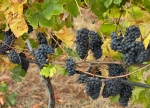
Pinot Noir, the elusive, tricky grape variety, hard to grow, difficult to work with at times but like anything in life, sometimes the harder something is to do, the better it is in the end...
- Pinot Noir is a black-skinned grape variety but the flesh is clear, hence it can make a white wine out of a dark-skinned grape.
- The name comes from the French words for "pine" and "black," a reference to the pine-cone shape of its clusters on the vine.
- Pinot Noir is a derivation of the grape “Pinot”.
- The first historical reference to Pinot Noir was in France, in 1375.
- All of the “Pinot” grapes (Noir, Gris, Blanc, Précoce) have identical genetic profiles to Pinot, so are effectively non-identical twins.
- Pinot Blanc and Pinot Gris are both color mutations of Pinot Noir.
- Pinot is a “parent” to Chardonnay and Gamay and is a sort of great uncle/aunt to Syrah and Viognier.
- The Pinot Noir grape has over 1,000 registered clones, a testament to its genetic instability and constant evolution.
- Pinot forms the original descendant of many Italian varietals too – the vine varieties grown in North-East Italian wine regions and Eastern French wine regions basically all have Pinot in their genetic make-up somewhere.
- Pinot Noir is one of the three key grape varieties that are used to make Champagne and sparkling wine.
- Pinot Noir is one of the two main grape varieties used to make Blanc de Noirs.
- Pinot Noir is grown all over the world but predominantly in cooler climates which is where it does best.
- Pinot Noir makes some of the most expensive wines in the world; Burgundy and Champagne.
- Pinot Noir is generally a lighter-bodied wine due to its thin skins, unlike something like Cabernet Sauvignon which has much thicker skins, higher tannins and makes more full-bodied wines.
- The most famous clone of Pinot Noir grown in New Zealand is known as the “Gumboot Clone” because the original cutting material was smuggled into New Zealand in a pair of wellingtons.
- It’s not known for being a tannic wine, but it does have a high concentration of the same sort of tannin that black tea has.
- Pinot Noir have been setting records for the most expensive wines ever sold: A 1945 bottle of Romanée-Conti sold for $558,000 at auction in 2018!
- Pinot Noir can be served at room temperature or lightly chilled — around 13°C to 18°C.
- Pinot Noir is usually aged in French Oak, often older barrels, to enhance the complexity of aromas, rather than give an overt ‘oaky’ flavour.
- A bottle of Pinot Noir can age for anywhere up to 40 years, depending on its style. Champagne made from Pinot Noir can last longer than a Pinot Noir red wine.
- The genetics of the Pinot Noir grape makes it highly susceptible to mutation, and there are now many different clones giving slightly different characteristics.
- Less than 300,000 acres of wine-growing countries in the world are dedicated to growing Pinot Noir grapes, compared to the estimated 850,000 of Cabernet Sauvignon.
- International Pinot Noir Day is celebrated annually on August 18.
1.
Pinot Noir series
- Midalidare’s grape varieties: Pinot Noir – The variety and the terroirs - Part 2: Pinot Noir – Specifics of the variety and appropriate regions
- Midalidare’s grape varieties: Pinot Noir – Wines & winemaking - Part 3: Pinot Noir – Styles of wines and winemaking techniques
- Midalidare’s grape varieties: Pinot Noir - Wine & dine - Part 4: How to serve, store and pair Pinot Noir wine with food
Explore our blog
1.
Wine guide
- Blend & Trend: Popular wine blends by Midalidare - Trendy blending styles
- Classic wine blends - Wine Classics from the Old World
- Sauvignon Blanc vs Chardonnay - Two great white varieties side by side
- Aromatic white grapes - Scent explosion in a glass of white wine
- Carbonic Maceration - Fermentation technique in a completely anaerobic atmosphere
- Cane Cut technique - New name for an old tradition
- Vine pruning celebrations around the world - How they celebrate the growing season beginning in different countries
- Malbec vs Tannat - Two great red close relative varieties side by side
- Colours in wine labeling - What do Midalidare monochrome labels tell us about the wines?
- Sauvignon Blanc vs Pinot Gris - Crisp White Wine Excellence
- Versatile Sauvignon Blanc - Sauvignon Blanc: Versatility from Vineyard to Bottle
1.
Sparkling wine guide
- Sparkling Wine Guide: Sparkling winemaking - Methods for sparkling winemaking
- Sparkling Wine Guide: Traditional sparkling winemaking - The Champagne method
- Sparkling Wine Guide: Food pairing - Champagne & Sparkling wine food pairing
- Sparkling Wine Guide: Pas Dosé - Sparkling wine with no added sugar
- Sparkling Wine Guide: Blanc de Noirs - A full-bodied, heady Sparkling
- Sparkling Wine Guide: Blanc de Blancs - Sparkling wine all finesse and lightness
- Sparkling Wine Guide: Non-vintage Brut Style - A sparkling wine for all occasions
- Sparkling Wine Guide: Sparkling Rosé Style - A style of elegance and diversity
- Sparkling Wine Guide: Sparkling wines by ageing - Vintage vs Non-vintage
- Sparkling Wine Guide: Sparkling wines by sweetness scale - How much sugar in sparkling wine
- Sparkling Wine Guide: Sparkling wines by region - Sparkling wine journey around the world
- Sparkling Wine Guide: Oak ageing of sparkling wines - Oak usage in traditional sparkling winemaking
1.
New Zealand wine guide
- Marlborough: Wine Region - History, climate, viticulture and sub-regions of Marlborough
- Marlborough: Southern Valleys - The home of Midalidare New Zealand Sauvignon Blanc
- Marlborough: Grapes and Wines - Specifics of the varieties and characteristics of the wines
- Marlborough: Sauvignon Blanc - What sets Marlborough's Sauvignon Blanc apart from other regions?
- Central Otago: Wine region - History, climate, soils and sub-regions of Central Otago
- Central Otago: Cromwell - The home of Midalidare New Zealand Central Otago Stag’s Run Pinot Noir
- Central Otago: Grapes and Wines - Specifics of the varieties and wines characteristics
- Pinot Noir in Central Otago - What sets Central Otago's Pinot Noir apart from other regions?
1.
Midalidare’s grape varieties
- Midalidare’s grape varieties: Malbec in a nutshell - Part 1: Essential information about Malbec
- Midalidare’s grape varieties: Syrah in a nutshell - Part 1: Essential information about Syrah
- Midalidare’s grape varieties: Tannat in a nutshell - Part 1: Essential information about Tannat
- Midalidare’s grape varieties: Merlot in a nutshell - Part 1: Essential information about Merlot
- Midalidare’s grape varieties: Mourvedre - Part 1: The variety
- Midalidare’s grape varieties: Sauvignon Blanc in a nutshell - Part 1: Essential information about Sauvignon Blanc
- Midalidare’s grape varieties: Chardonnay in a nutshell - Part 1: Essential information about Chardonnay
1.
Wine glasses guide
- Wine & Glass pairing: Do specific wine glasses make a difference? - Do specific wine glasses make a difference?
- Wine & Glass pairing: Guide to different types of wine glasses with stem - Anatomy - Part 1: Anatomy of a wine glass
- Wine & Glass pairing: Guide to different types of wine glasses with stem - Part 2: Different types of wine glasses
- Wine & Glass pairing: Rose Wine Glasses - Flared Lip Rose Wine Glass
- Wine & Glass pairing: Rose Wine Glasses - Slight Taper Rose Glass
- Wine & Glass pairing: White Wine Glasses - Sauvignon Blanc Wine Glass
- Wine & Glass pairing: White wine glasses - Unoaked Chardonnay Wine Glass
- Wine & Glass pairing: White wine glasses - Оaked Chardonnay Wine Glass
- Wine & Glass pairing: White wine glasses - Riesling Wine Glass
- Wine & Glass pairing: Red wine glasses - Cabernet/Merlot Wine Glass
- Wine & Glass pairing: Sparkling Wine Glasses - Basic types of Champagne and Sparkling wine glasses
- Wine & Glass pairing: Red wine glasses - Old-world style Syrah