
Midalidare’s Grape Varieties: Sauvignon Blanc - Wines & Winemaking

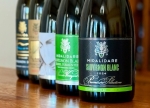
The primary fruit flavors of Sauvignon Blanc are lime, green apple, passion fruit and white peach. Depending on how ripe the grapes are when the wine is made, the flavor will range from zesty lime to flowery peach. What makes Sauvignon Blanc unique from other white wines are its other herbaceous flavors like bell pepper, jalapeno, gooseberry, and grass. These flavors come from aromatic compounds called pyrazines and are the secret to Sauvignon Blanc’s taste.
Depending on the climate, the flavor can range from aggressively grassy to sweetly tropical. In cooler climates, the grape tends to produce wines with noticeable acidity and "green flavors" of grass, green bell peppers and nettles with some tropical fruit (such as passion fruit) and floral (such as elderflower) notes. In warmer climates, it can develop more tropical fruit notes but risks losing much aroma from over-ripeness, leaving only slight grapefruit and tree fruit (such as peach) notes.
Sauvignon Blanc is usually made as dry, still white wine. However, some producers in Marlborough, New Zealand make sparkling wine with it or leave a touch of sugar for richness. Sauvignon Blanc is also used to make the famous Bordeaux dessert wine, Sauternes, where it is typically blended with Semillon and/or Muscadelle.
Skin contact
Sauvignon Blanc can be greatly influenced by decisions in the winemaking process. One decision is the amount of contact between the must and the grape skins. In the early years of the New Zealand wine industry, there were no wineries in the South Island, which meant that freshly harvested grapes had to be trucked and then ferried to the North Island, often all the way up to Auckland. This allowed for prolonged exposure of the skin and juice which sharpened the intensity and pungency of the wine. Some winemakers, like the Loire, intentionally leave a small amount of must spend some time in contact with the skin for later blending purposes. Other winemakers, like in California, generally avoid any contact with the skin due to the reduced aging ability of the resulting wine.
Fermentation temperature
Another important decision is the temperature of fermentation. French winemakers prefer warmer fermentations (around 16-18 °C) that bring out the mineral flavors in the wine while New World winemakers prefer slightly colder temperatures to bring out more fruit and tropical flavors. A small minority of Loire winemakers will put the wine through malolactic fermentation; a practice more often associated with New Zealand wines. Oak aging can have a pronounced effect on the wine, with the oak rounding out the flavors and softening the naturally high acidity of the grape. Some winemakers, like those in New Zealand and Sancerre, prefer stainless steel fermentation tanks over barrels with the intention of maintaining the sharp focus and flavor intensity.
- Midalidare’s grape varieties: Sauvignon Blanc in a nutshell - Part 1: Essential information about Sauvignon Blanc
- Midalidare’s grape varieties: Sauvignon Blanc - The variety and the terroirs - Part 2: Sauvignon Blanc - Specifics of the variety and appropriate regions
- Midalidare’s grape varieties: Sauvignon Blanc - Wine & dine - Part 4: How to serve, store and pair Sauvignon Blanc wine with food
Explore our blog
- Blend & Trend: Popular wine blends by Midalidare - Trendy blending styles
- Classic wine blends - Wine Classics from the Old World
- Sauvignon Blanc vs Chardonnay - Two great white varieties side by side
- Aromatic white grapes - Scent explosion in a glass of white wine
- Carbonic Maceration - Fermentation technique in a completely anaerobic atmosphere
- Cane Cut technique - New name for an old tradition
- Vine pruning celebrations around the world - How they celebrate the growing season beginning in different countries
- Malbec vs Tannat - Two great red close relative varieties side by side
- Colours in wine labeling - What do Midalidare monochrome labels tell us about the wines?
- Sparkling Wine Guide - Sparkling winemaking - Methods for sparkling winemaking
- Sparkling Wine Guide - Traditional sparkling winemaking - The Champagne method
- Sparkling wine guide – Food pairing - Champagne & Sparkling wine food pairing
- Sparkling Wine Guide: Pas Dosé - Sparkling wine with no added sugar
- Sparkling Wine Guide: Blanc de Noirs - A full-bodied, heady Sparkling
- Sparkling Wine Guide: Blanc de Blancs - Sparkling wine all finesse and lightness
- Sparkling Wine Guide: Non-vintage Brut Style - A sparkling wine for all occasions
- Sparkling Wine Guide: Sparkling Rosé Style - A style of elegance and diversity
- Sparkling Wine Guide: Sparkling wines by ageing - Vintage vs Non-vintage
- Sparkling Wine Guide: Sparkling wines by sweetness scale - How much sugar in sparkling wine
- Sparkling Wine Guide: Sparkling wines by region - Sparkling wine journey around the world
- Sparkling Wine Guide: Oak ageing of sparkling wines - Oak usage in traditional sparkling winemaking
- Wine & Glass pairing: Do specific wine glasses make a difference? - Do specific wine glasses make a difference?
- Wine & Glass pairing: Guide to different types of wine glasses with stem - Anatomy - Part 1: Anatomy of a wine glass
- Wine & Glass pairing: Guide to different types of wine glasses with stem - Part 2: Different types of wine glasses
- Wine & Glass pairing: Rose Wine Glasses - Flared Lip Rose Wine Glass
- Wine & Glass pairing: Rose Wine Glasses - Slight Taper Rose Glass
- Wine & Glass pairing: White Wine Glasses - Sauvignon Blanc Wine Glass
- Wine & Glass pairing: White wine glasses - Unoaked Chardonnay Wine Glass
- Wine & Glass pairing: White wine glasses - Оaked Chardonnay Wine Glass
- Wine & Glass pairing: White wine glasses - Riesling Wine Glass
- Wine & Glass pairing: Red wine glasses - Cabernet/Merlot Wine Glass
- Wine & Glass pairing: Sparkling Wine Glasses - Basic types of Champagne and Sparkling wine glasses
- Wine & Glass pairing: Red wine glasses - Old-world style Syrah
- Marlborough: Wine Region - History, climate, viticulture and sub-regions of Marlborough
- Marlborough: Southern Valleys - The home of Midalidare New Zealand Sauvignon Blanc
- Marlborough: Grapes and Wines - Specifics of the varieties and characteristics of the wines
- Marlborough: Sauvignon Blanc - What sets Marlborough's Sauvignon Blanc apart from other regions?
- Central Otago: Wine region - History, climate, soils and sub-regions of Central Otago
- Central Otago: Cromwell - The home of Midalidare New Zealand Central Otago Stag’s Run Pinot Noir
- Central Otago: Grapes and Wines - Specifics of the varieties and wines characteristics
- Pinot Noir in Central Otago - What sets Central Otago's Pinot Noir apart from other regions?
- Midalidare’s grape varieties: Mourvedre - Part 1: The variety
- Midalidare’s grape varieties: Mourvedre - Part 2: The terroirs
- Midalidare’s grape varieties: Mourvedre - Part 3: The wines
- Midalidare’s grape varieties: Mourvedre - Part 4: Serving and storage
- Midalidare’s grape varieties: Mourvedre - Part 5: Food pairing
- Midalidare’s grape varieties: Chardonnay - Chardonnay in a nutshell - Part 1: Essential information about Chardonnay
- Midalidare’s grape varieties: Chardonnay - The variety and the terroirs - Part 2: Chardonnay - Specifics of the variety and appropriate regions
- Midalidare’s grape varieties: Merlot in a nutshell - Part 1: Essential information about Merlot
- Midalidare’s grape varieties: Merlot - The variety and the terroirs - Part 2: Merlot - Specifics of the variety and appropriate regions
- Midalidare’s grape varieties: Tannat in a nutshell - Part 1: Essential information about Tannat
- Midalidare’s grape varieties: Tannat – The variety and the terroirs - Part 2: Tannat – Specifics of the variety and appropriate regions
- Midalidare’s grape varieties: Tannat – Wines & winemaking - Part 3: Tannat – Styles of wines and winemaking techniques
- Midalidare’s grape varieties: Tannat - Wine & dine - Part 4: How to serve, store and pair Tannat wine with food
- Midalidare’s grape varieties: Syrah in a nutshell - Part 1: Essential information about Syrah
- Midalidare’s grape varieties: Malbec in a nutshell - Part 1: Essential information about Malbec
- Midalidare’s grape varieties: Malbec – The variety and the terroirs - Part 2: Malbec – Specifics of the variety and appropriate regions
- Midalidare’s grape varieties: Malbec – Wines & winemaking - Part 3: Malbec – Styles of wines and winemaking techniques
- Midalidare’s grape varieties: Malbec - Wine & dine - Part 4: How to serve, store and pair Malbec wine with food