
Midalidare’s grape varieties: Meunier - Wines & winemaking

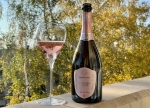
Meunier is widely used as a foundational blending partner in Champagne to add fruitiness and juiciness. While traditionally used for sparkling blends, winemakers increasingly craft it into light, aromatic still red wines, rosés, and single-varietal sparkling cuvées.
On its own it does not age well, but does yield bright, fresh, fruity light red and rose wines of crisp acidity and slightly smoky character when produced as a still wine.
Types of winemaking
- Sparkling wine: Meunier is used in classic non-vintage sparkling wines blend. Because the juice is clear (despite the dark skins), it is an essential component in producing elegant Blanc de Noirs. In Rosé Classic style it is used after a short maceration, most commonly blended with Pinot Noir.
- Still red wine: Although less common, still Meunier wines are gaining popularity. It is typically fermented with minimal extraction to preserve its silky texture and fresh, vibrant red fruit characteristics.
- Still rosé: It can be used macerated to create still rosés, which sometimes develop a pleasantly smoky character.
Styles of Meunier Sparkling Wines
Classic Champagne blend: Meunier is the backbone of many non-vintage Champagnes and sparkling wines, providing roundness, immediate fruit intensity, and approachability.
100% Meunier (Blanc de Noirs / Blanc de Meunier): A growing trend among grower-producers. These single variety wines are highly aromatic, expressive, and fruit-forward, providing a luxurious drinking experience.
Sparkling Rosés: Because of the red grape skins, Meunier makes vibrant, textural, and fruit-driven sparkling rosés.
Characteristics of Still Meunier
- Flavour: Bursting with tart cherry, pomegranate, and floral notes, sometimes accompanied by subtle baking spice or earthy undertones.
- Body: Medium-to-light body with very fine, soft tannins and a bright, fresh finish.
- Ageing: Still Meunier is generally meant to be consumed young and fresh.
Blanc de Meunier
Many of us will be familiar with Blanc de Noir (white of black) on a bottle of Champagne, though somewhat a little rarer is the term Blanc de Meunier (white of Meunier). This type of sparkling wine is produced only in Champagne.
Approximately one third of the Champagne wine growing region is dedicated to the Meunier grape variety, though slightly less famed than its two other well-known counterparts in the making of the famous wine from this region, in recent years it has once again gained popularity with many houses dedicating labels to 100% Meunier or Blanc de Meunier.
Blanc de Meunier tasting notes by Champagne Laurent Lequart: “Soft walnut, citrus, herbaceous nose. Strong and punchy style in the palate with a fresh citrus driven with nutty and chalky characters.“
One of the unique things about Meunier is its ability to make sparkling wines of different styles; from light and refreshing aperitifs to full and rich styles that can handle bold and flavourful meat dishes. Aromatics found in a glass are equally fascinating from fresh citrus fruits of orange, pink grapefruit, and lemon, as well as stone fruits like peach, nectarine, apricot, and Mirabelle plum. When blessed with sunshine and warm weather, Meunier can also show ripe and exotic notes of William pear, mango, pineapple, and gooseberry. Sometimes there are floral scents of orange blossom, honeysuckle, and jasmine together with warmer notes of almonds, aniseed and ginger. Earthy aromas, such as mushrooms and truffles, are often found in more mature bottlings.
Describe Meunier wine
Fresh: Known for adding texture, finesse, fruit (and sometimes a bit of herbal or spice notes) to Champagne blends particularly.
Floral: More perfumed than earthy, Meunier is known for being delightfully aromatic.
Fruity: Meunier is known for being very red-fruited and juicy, which brings some bright character to sparkling blends and still wines.
Meunier is a fruit-driven wine. On the nose, expect bold aromas of cherry, followed by juicy red fruits including raspberry and strawberry. This abundance of fruity flavours is carried over on to the palate with a sprinkling of earthy notes of mushroom and forest floor. It’s also common to discover slightly more tropical or floral nuances here. When this grape is blended in Champagne, it adds fruitiness and aromatic characteristics, complementing the Pinot Noir and Chardonnay perfectly.
What does Meunier taste like?
Standard tasting notes: Red Cherry, Cranberry, Raspberry, Rose, Forest Floor, Baking Spice
What is the structure of Meunier?
There is no “one size fits all” when it comes to structure for every grape, however, there is a general range when it comes to body, acid, alcohol, and tannin for each. Below are general guidelines for classic representations. Growing conditions and winemaking techniques can impact each of the following.
Medium body - think of that weight as a liquid scale, from water (light body) to heavy cream (full body) in your mouth. Meunier is on the lighter side!
High acid - you can judge acidity based on whether your mouth waters after you take a sip of something. The more you salivate, the higher the acid. Pinot Meunier is known to have high acidity, even more so than Pinot Noir.
Low alcohol - you can feel alcohol ‘burn’ the back of your throat when you take a sip. Meunier typically has very low alcohol for still wine as well as sparkling.
Low tannin - tannin comes from the skin of the grapes during the winemaking process. You can tell a wine has high tannin if it dries out your tongue. It imparts almost a bitter flavor. Pinot Munier is known for little tannin.
- Midalidare’s grape varieties: Meunier in a nutshell - Part 1: Essential information about Meunier
- Midalidare’s grape varieties: Meunier – The variety and the terroirs - Part 2: Meunier – Specifics of the variety and appropriate regions
- Midalidare’s grape varieties: Meunier - Wine & dine - Part 4: How to serve, store and pair Meunier wine with food
Explore our blog
- Blend & Trend: Popular wine blends by Midalidare - Trendy blending styles
- Classic wine blends - Wine Classics from the Old World
- Sauvignon Blanc vs Chardonnay - Two great white varieties side by side
- Aromatic white grapes - Scent explosion in a glass of white wine
- Carbonic Maceration - Fermentation technique in a completely anaerobic atmosphere
- Cane Cut technique - New name for an old tradition
- Vine pruning celebrations around the world - How they celebrate the growing season beginning in different countries
- Malbec vs Tannat - Two great red close relative varieties side by side
- Colours in wine labeling - What do Midalidare monochrome labels tell us about the wines?
- Sauvignon Blanc vs Pinot Gris - Crisp White Wine Excellence
- Versatile Sauvignon Blanc - Sauvignon Blanc: Versatility from Vineyard to Bottle
- Sparkling Wine Guide: Sparkling winemaking - Methods for sparkling winemaking
- Sparkling Wine Guide: Traditional sparkling winemaking - The Champagne method
- Sparkling Wine Guide: Food pairing - Champagne & Sparkling wine food pairing
- Sparkling Wine Guide: Pas Dosé - Sparkling wine with no added sugar
- Sparkling Wine Guide: Blanc de Noirs - A full-bodied, heady Sparkling
- Sparkling Wine Guide: Blanc de Blancs - Sparkling wine all finesse and lightness
- Sparkling Wine Guide: Non-vintage Brut Style - A sparkling wine for all occasions
- Sparkling Wine Guide: Sparkling Rosé Style - A style of elegance and diversity
- Sparkling Wine Guide: Sparkling wines by ageing - Vintage vs Non-vintage
- Sparkling Wine Guide: Sparkling wines by sweetness scale - How much sugar in sparkling wine
- Sparkling Wine Guide: Sparkling wines by region - Sparkling wine journey around the world
- Sparkling Wine Guide: Oak ageing of sparkling wines - Oak usage in traditional sparkling winemaking
- Marlborough: Wine Region - History, climate, viticulture and sub-regions of Marlborough
- Marlborough: Southern Valleys - The home of Midalidare New Zealand Sauvignon Blanc
- Marlborough: Grapes and Wines - Specifics of the varieties and characteristics of the wines
- Marlborough: Sauvignon Blanc - What sets Marlborough's Sauvignon Blanc apart from other regions?
- Central Otago: Wine region - History, climate, soils and sub-regions of Central Otago
- Central Otago: Cromwell - The home of Midalidare New Zealand Central Otago Stag’s Run Pinot Noir
- Central Otago: Grapes and Wines - Specifics of the varieties and wines characteristics
- Pinot Noir in Central Otago - What sets Central Otago's Pinot Noir apart from other regions?
- Midalidare’s grape varieties: Pinot Noir in a nutshell - Part 1: Essential information about Pinot Noir
- Midalidare’s grape varieties: Malbec in a nutshell - Part 1: Essential information about Malbec
- Midalidare’s grape varieties: Syrah in a nutshell - Part 1: Essential information about Syrah
- Midalidare’s grape varieties: Tannat in a nutshell - Part 1: Essential information about Tannat
- Midalidare’s grape varieties: Merlot in a nutshell - Part 1: Essential information about Merlot
- Midalidare’s grape varieties: Mourvedre - Part 1: The variety
- Midalidare’s grape varieties: Sauvignon Blanc in a nutshell - Part 1: Essential information about Sauvignon Blanc
- Midalidare’s grape varieties: Chardonnay in a nutshell - Part 1: Essential information about Chardonnay
- Wine & Glass pairing: Do specific wine glasses make a difference? - Do specific wine glasses make a difference?
- Wine & Glass pairing: Guide to different types of wine glasses with stem - Anatomy - Part 1: Anatomy of a wine glass
- Wine & Glass pairing: Guide to different types of wine glasses with stem - Part 2: Different types of wine glasses
- Wine & Glass pairing: Rose Wine Glasses - Flared Lip Rose Wine Glass
- Wine & Glass pairing: Rose Wine Glasses - Slight Taper Rose Glass
- Wine & Glass pairing: White Wine Glasses - Sauvignon Blanc Wine Glass
- Wine & Glass pairing: White wine glasses - Unoaked Chardonnay Wine Glass
- Wine & Glass pairing: White wine glasses - Оaked Chardonnay Wine Glass
- Wine & Glass pairing: White wine glasses - Riesling Wine Glass
- Wine & Glass pairing: Red wine glasses - Cabernet/Merlot Wine Glass
- Wine & Glass pairing: Sparkling Wine Glasses - Basic types of Champagne and Sparkling wine glasses
- Wine & Glass pairing: Red wine glasses - Old-world style Syrah