
Noble White grapes of Midalidare

There are estimated to be between 8 000 and 10 000 grape varieties in the world, yet only a select few could be described as classics, or what are known as “noble grapes”.
Noble grapes are the select few grape varieties that have earned a distinguished place in the history and art of winemaking. They're celebrated for their exceptional qualities and unique characteristics that reveal the essence of their terroir in which they’re grown. Nobile grapes have been recognized for their exceptional quality, versatility, and ability to produce some of the world's most renowned and sought-after wines. These grapes have stood the test of time, captivating the palates of wine lovers across the globe.
Originally, there were six noble grapes identified: Cabernet Sauvignon, Pinot Noir, and Merlot for the reds; and Chardonnay, Sauvignon Blanc, and Riesling for the whites. As winemaking expanded around the world, the list of noble grapes grew to 18 varieties. Perhaps for fairness and equality, there are currently nine noble red grapes and nine noble white grapes. The nine noble red varieties are Cabernet Sauvignon, Pinot Noir, Merlot, Syrah, Grenache, Sangiovese, Nebbiolo, Tempranillo, and Malbec. For the white varieties: Chardonnay, Sauvignon Blanc, Riesling, Pinot Gris/Grigio, Chenin Blanc, Traminer/Gewürztraminer, Viognier, Sémillon, and Moscato.
Why are some varieties noble and others are not?
Noble grapes are also known as International Varieties which are grape varieties that are widely planted in most of the major wine producing regions and have widespread appeal.
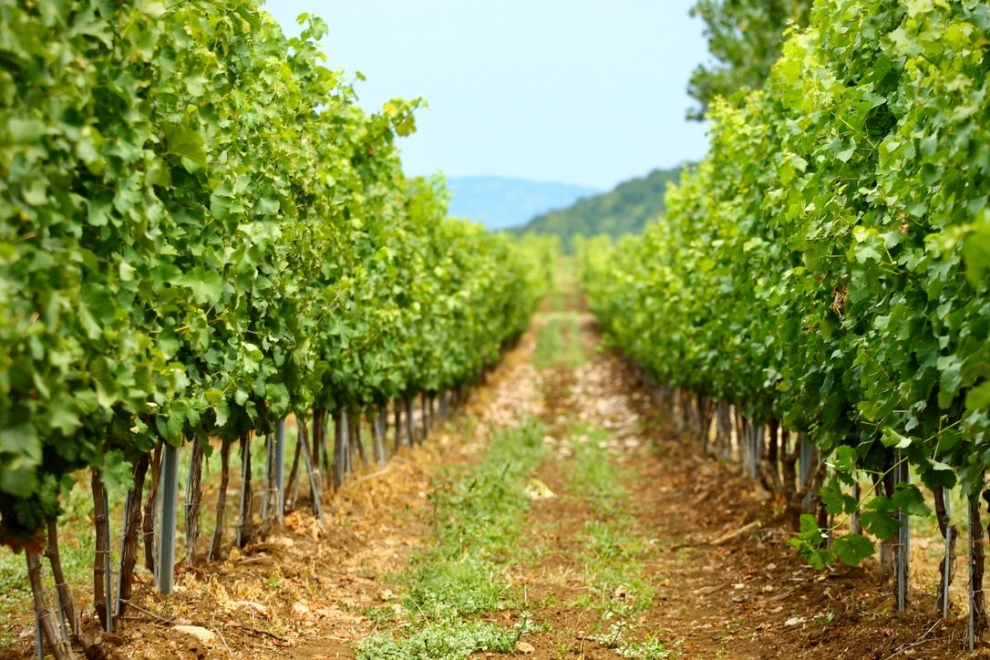
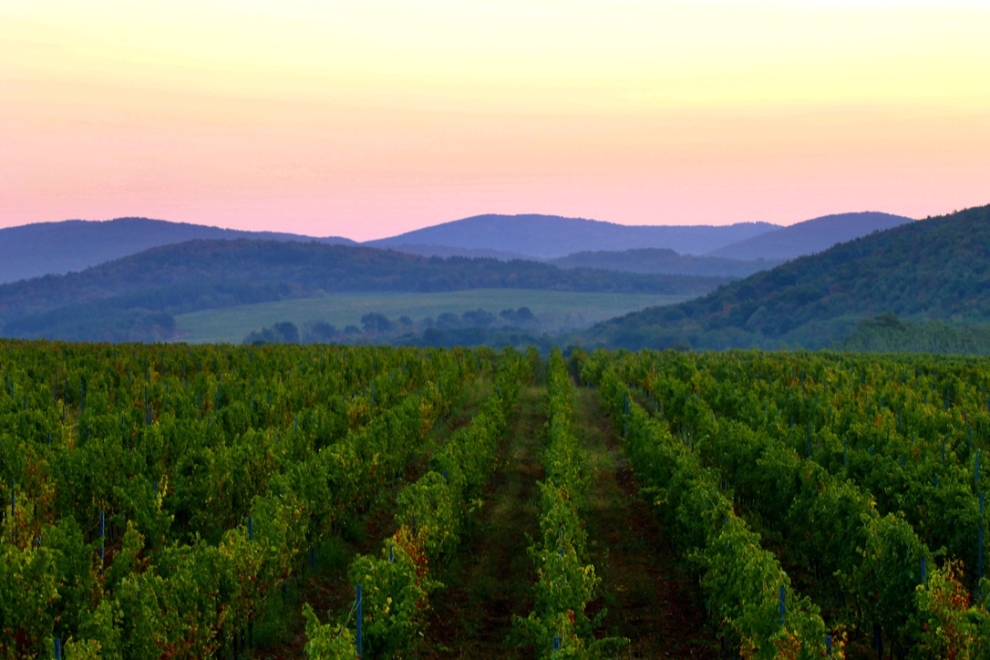
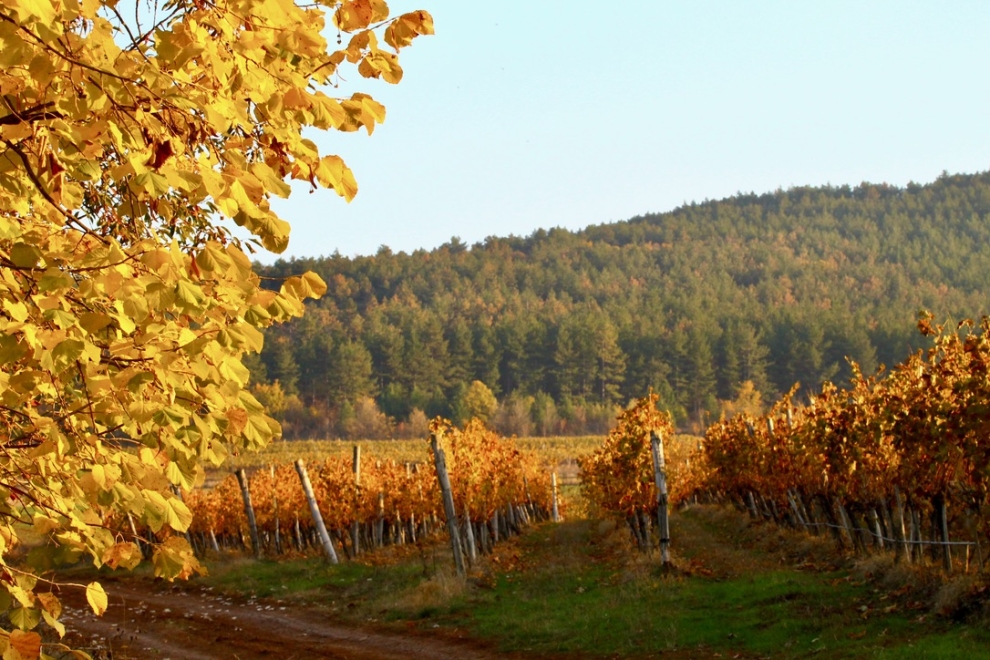
Seven of nine noble white varieties have found a new home on the terroir of Mogilovo village and are successfully grown by Midalidare.
Chardonnay: The versatile white grape
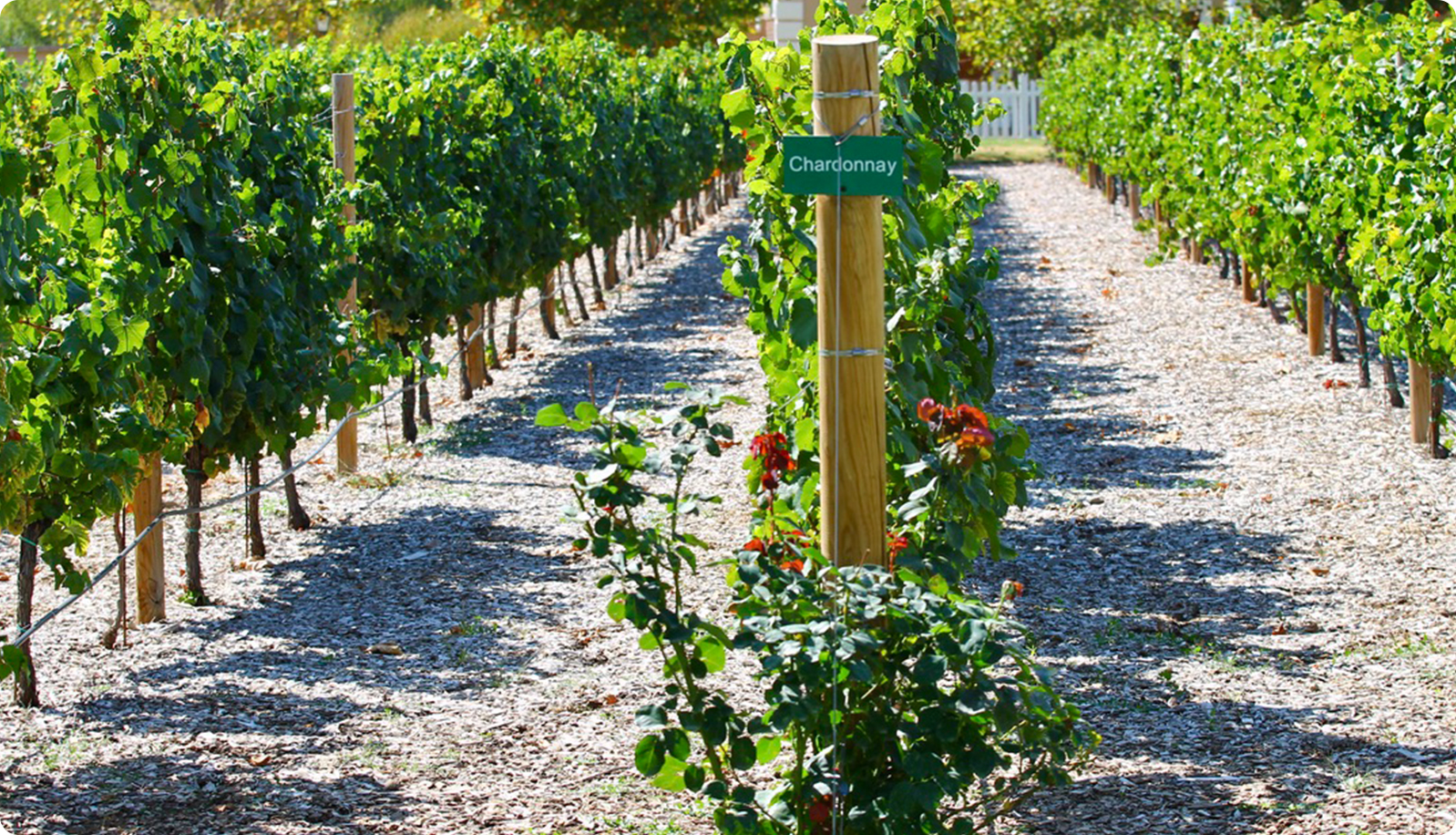
Chardonnay has captivated wine enthusiasts worldwide with its remarkable versatility and ability to express a wide range of styles and flavors. Originating from the Burgundy region of France, Chardonnay has found a home in many of the world's premier wine-producing regions, from the cool-climate vineyards of Chablis to the sun-drenched slopes of California's Napa Valley.
Chardonnay is known for its ability to showcase a diverse array of flavors, from crisp, citrus-driven expressions to rich, oak-aged styles with notes of vanilla, butter, and toasted brioche. This adaptability has made Chardonnay a favorite among winemakers and consumers alike, as it can be tailored to suit a wide range of personal preferences and culinary pairings.
Enjoy Midalidare varietals Chardonnay: Midalidare Blanc de Blancs Brut, Midalidare Deluxe Brut, Angel’s Share Chardonnay, Calista Chardonnay.
Enjoy Midalidare blends with Chardonnay: Midalidare Reserve Brut, Midalidare Pas Dose, Midalidare Premier Extra Brut, Midalidare Rose Extra Brut, 42/25 Chardonnay & Viognier & Sauvignon Blanc, Carpe Diem White.
Sauvignon Blanc: The crisp and refreshing white
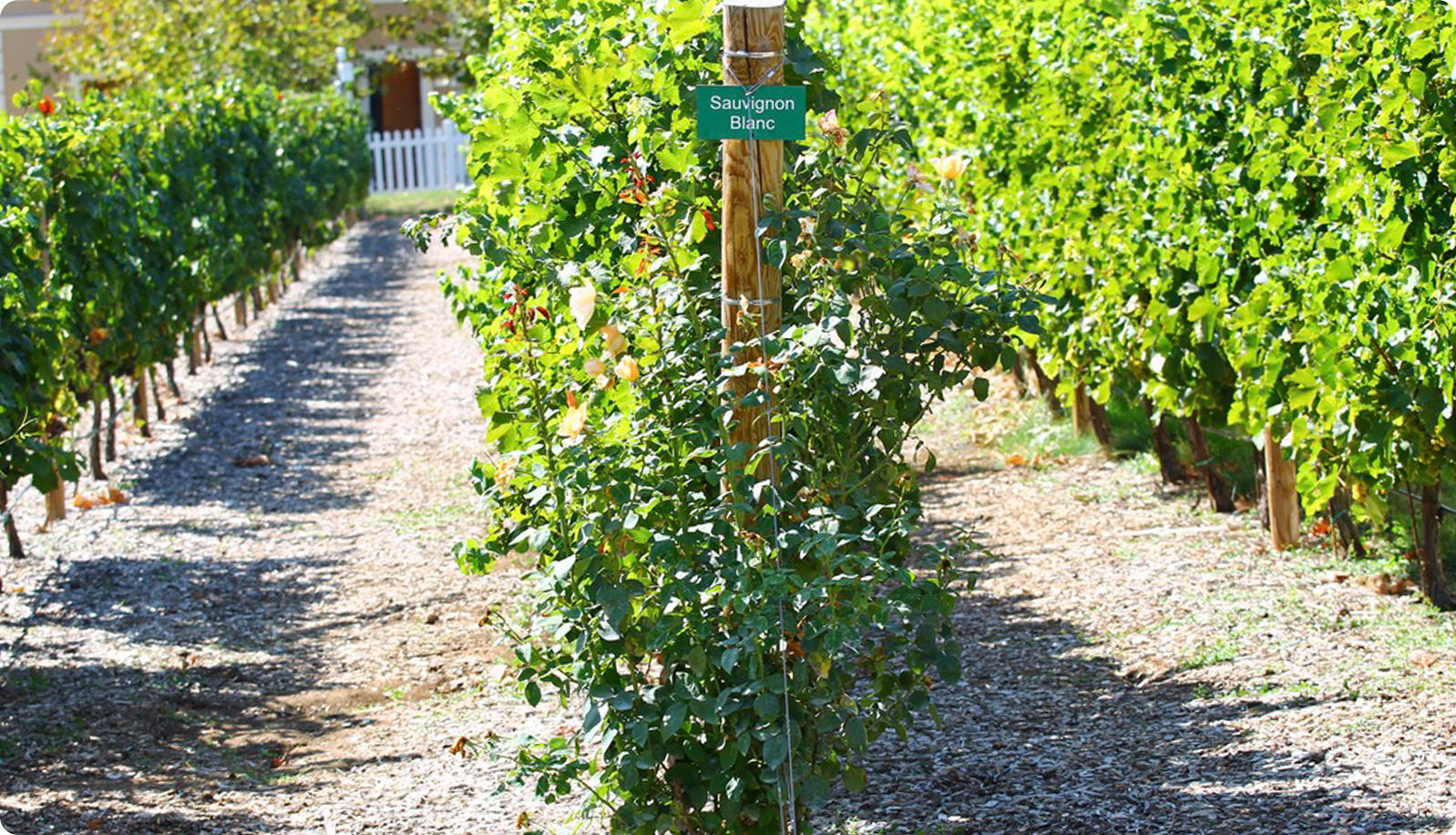
Sauvignon Blanc has long been celebrated for its crisp, refreshing character and its ability to produce some of the world's most distinctive and captivating white wines. Originating from the Loire Valley of France, Sauvignon Blanc has found a home in many of the world's premier wine-producing regions, from the sun-drenched slopes of New Zealand to the cool-climate vineyards of the Napa Valley in California.
Sauvignon Blanc is known for its vibrant, herbaceous aromas and its zesty, citrus-driven flavors, which often include notes of grapefruit, lemon, and freshly cut grass. This grape's distinctive character has made it a favorite among wine enthusiasts who appreciate its ability to refresh the palate and complement a wide range of culinary experiences.
Enjoy Midalidare varietals Sauvignon Blanc: 42/25 Sauvignon Blanc, Silver Angel Sauvignon Blanc, Midalidare Premium Selection Sauvignon Blanc, Midalidare Winemaker’s Choice Sauvignon Blanc Barrel Fermented, Midalidare New Zealand Marlborough SV Craiglochart Sauvignon Blanc, Midalidare New Zealand Marlborough SV Craiglochart Sauvignon Blanc Reserve.
Enjoy Midalidare blends with Sauvignon Blanc: 42/25 Chardonnay & Viognier & Sauvignon Blanc, Carpe Diem White, Synergy Sauvignon Blanc & Pinot Gris, Midalidare Sauvignon Blanc & Semillon.
Riesling: The versatile and expressive white
Riesling has long been celebrated for its remarkable versatility and its ability to produce a wide range of styles, from bone-dry to lusciously sweet. Originating from the Mosel region of Germany, Riesling has found a home in many of the world's premier wine-producing regions, from the cool-climate vineyards of the Finger Lakes in New York to the sun-drenched slopes of Australia's Clare Valley.
Riesling is known for its bright, vibrant acidity and its diverse array of flavors, which can range from crisp, citrus-driven expressions to rich, honeyed styles with notes of stone fruit and spice. This grape's adaptability has made it a favorite among wine enthusiasts, as it can be enjoyed in a variety of settings, from casual gatherings to formal dinners.
Enjoy Midalidare Riesling.
Pinot Gris / Pinot Grigio: Sunny, energetic, vibrant white
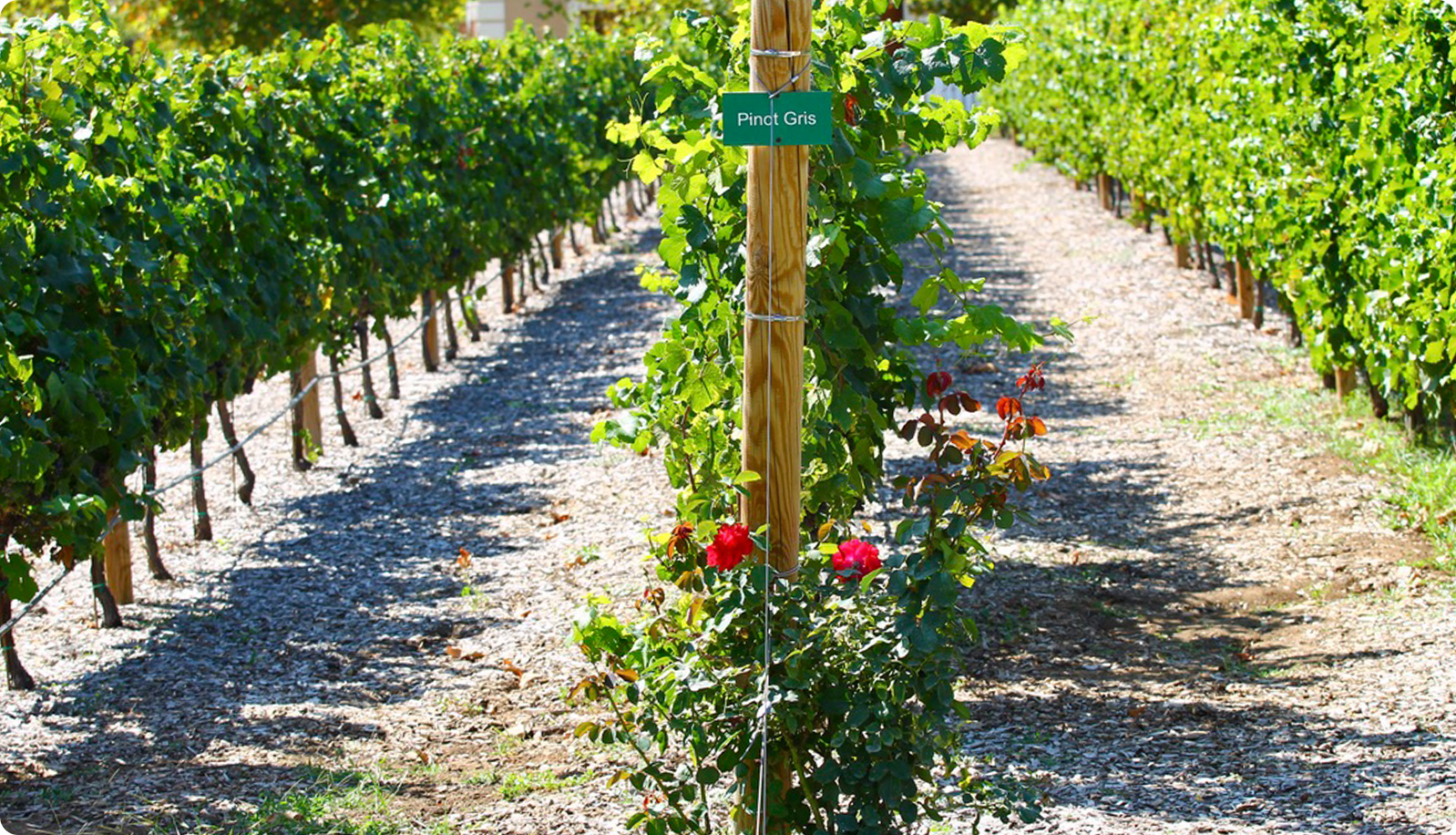
Pinot Gris is one of the world’s most popular white grape varieties, whether it goes by Pinot Gris, Grauburgunder in Germany or its most widely known alias, Pinot Grigio. Unsurprisingly, Pinot Gris is planted all across the world and comes in a variety of different styles, from bland and watery all the way through to rich, spicy and decadent.
Pinot Gris is known for its light and zesty high acid white wines. In the Italian style of Pinot Grigio, it tends to be crisper in style, with flavours of apples, pear and light spicy notes, making it a hugely popular style for casual drinking. As Pinot Gris in Alsace and Germany, higher levels of ripeness lead to a much bolder fruit profile, honey and musk flavours, often with a significant amount of residual sugar. The beauty of Pinot Gris is that it's nearly always soft, easy to drink and yet still refreshing; little wonder it's so popular!
Enjoy varietal Midalidare Pinot Gris.
Enjoy Midalidare blends with Pinot Gris: Synergy Sauvignon Blanc & Pinot Gris.
Traminer / Gewürztraminer: From dry through off-dry to sweet white wines that taste of ginger and honey
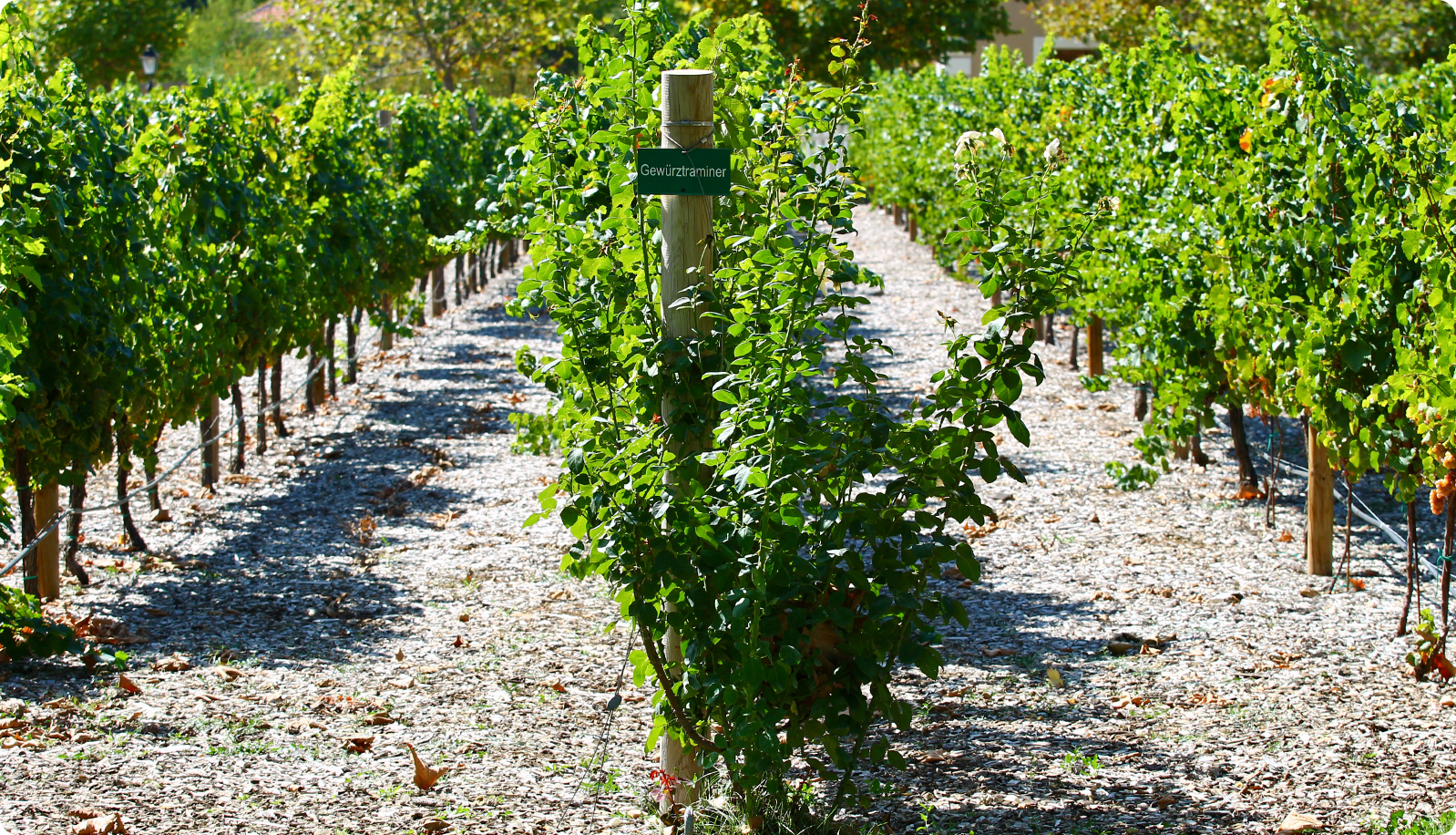
Gewürztraminer is known for its aromatic intensity, featuring lychee, rose, and exotic fruit notes. Wines are usually medium to full-bodied with relatively low acidity, and they can range from dry to sweet. These wines are known for their bold, expressive character.
Enjoy Midalidare Traminer.
Viognier: Medium bodied white wines that smell like flowers
Viognier is celebrated for its lush texture, floral aromas, and rich stone-fruit flavors. Viognier wines are usually single-varietals, but the category of white Rhône-style blends uses Viognier together with Marsanne, Roussanne and/оor other white varieties. Blends of Chardonnay and Viognier have been popular in Australia and California.
Viognier produces wines with relatively low acidity, full body, and distinctive aromatic profiles that often include notes of peach, apricot, honeysuckle, and vanilla. Viognier wines can be oaked or unoaked, with oaked versions displaying richer textures and additional notes of vanilla and spice.
Enjoy varietal Midalidare Viognier.
Enjoy Midalidare blends with Viognier: 42/25 Chardonnay & Viognier & Sauvignon Blanc.
Semillon: Dry medium bodied wines with lemon notes
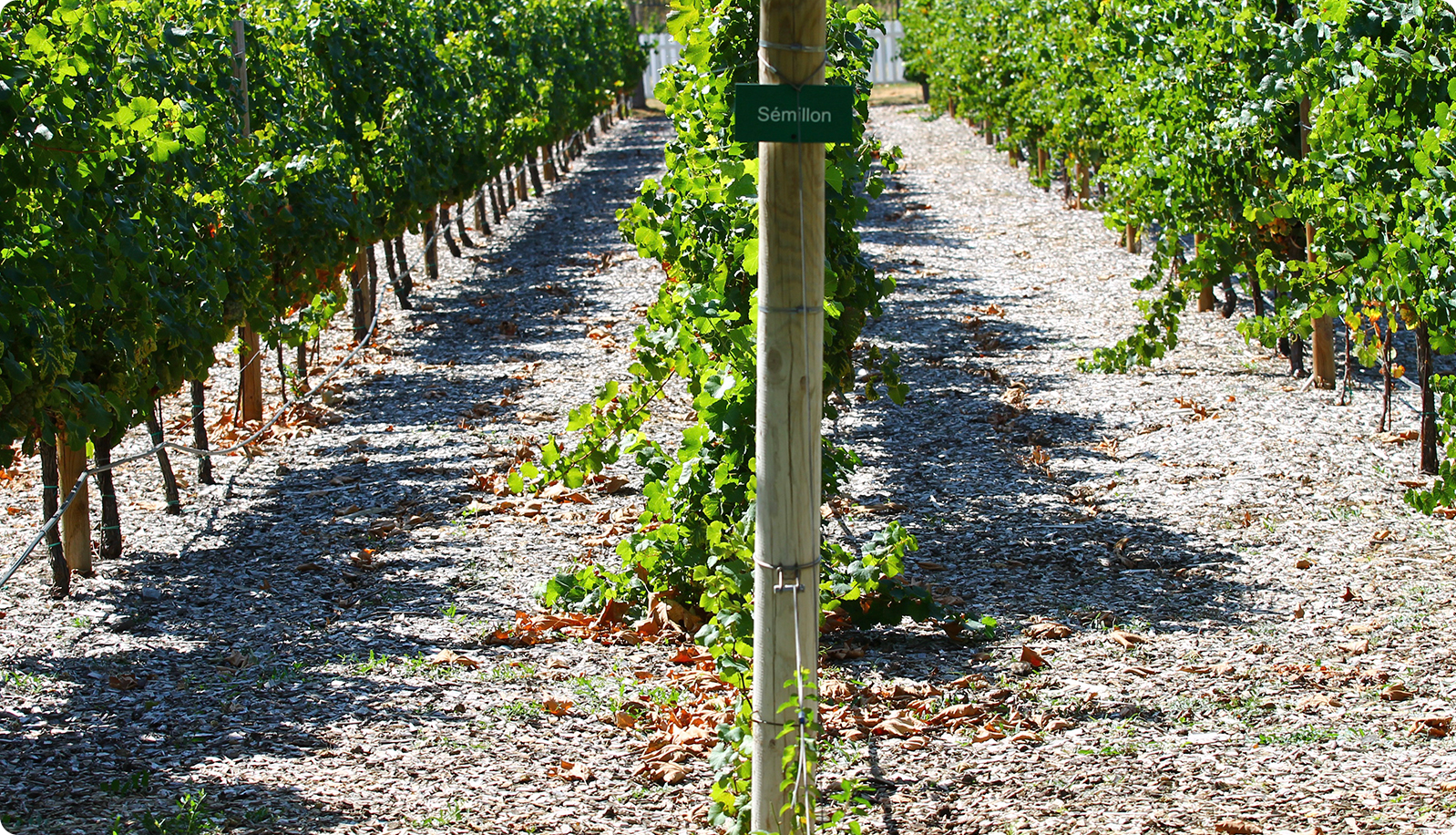
Sémillon is a white wine grape variety that is native to France and is most famously associated with the sweet wines of Sauternes and Barsac. However, Sémillon is also used to produce dry, full-bodied wines, particularly in Australia's Hunter Valley region. Dry Sémillon wines are known for their waxy texture, high acidity, and flavors of lemon, green apple, and herbs. Whether it’s the backbone of luxuriously sweet Sauternes or standing alone in crisp, dry whites, Sémillon effortlessly reveals its versatility and global charm.
Enjoy Midalidare blends with Semillon: Carpe Diem White, Midalidare Sauvignon Blanc & Semillon.
Terroirs
Dabovets vineyard: Chardonnay for Midalidare Sparkling wines
At the central part of Dabovets are planted Chardonnay vines used for Midalidare's sparkling winemaking. The three blocks are located on areas where soils are with a higher content of limestone, which is an important prerequisite for good water balance and the accumulation of sufficient acidity in the grapes.
Prisovete vineyard: Sauvignon Blanc, Chardonnay, Riesling, Traminer, Semillon and Pinot Gris
In the blocks of Prisovete vineyard where Chardonnay plantations for sparkling winemaking are located, the soils are diversified with limestone layers and areas with the presence of weathered rock, which has not entered the soil-forming process. These characteristics, in combination with the climate features, are extremely important for the elegant bouquet and the mineral character of sparkling wines.
The soils on Prisovete are high in clay. Despite the relatively more difficult processing and the necessary careful assessment of the planting material, the clay profile favors viticulture in Midalidare. This type of soil has a long-lasting moisture-retaining effect and provides enough natural moisture for the plants. One important element of the terroir of Prisovete is vineyard's location: the area is exposed to air currents from both north and south. The place is aired, the spring frosts do not cause damage to the vines, and the summer days are cooler thanks to the constant winds.
Shipkata vineyard: Sauvignon Blanc, Chardonnay, Viognier
The soils of Shipkata vineyard are of alluvial origin and are characterized by presence of clay and slime, with a high content of carbonates. This is an extraordinary composition for the white grape varieties, in particular for the more aromatic varieties like Sauvignon Blanc, Chardonnay, Viognier. These soils have the ability to retain water and make carbonates available to the plants. And the carbonates are responsible for the mineral notes of the wine.
Explore our blog
- Chardonnay vs Viognier - Two whites, two worlds side by side
- Pinot Noir vs Meunier - The black Champagne giants side by side
- Versatile Sauvignon Blanc - Sauvignon Blanc: Versatility from Vineyard to Bottle
- Sauvignon Blanc vs Pinot Gris - Crisp White Wine Excellence
- Colours in wine labeling - What do Midalidare monochrome labels tell us about the wines?
- Malbec vs Tannat - Two great red close relative varieties side by side
- Vine pruning celebrations around the world - How they celebrate the growing season beginning in different countries
- Cane Cut technique - New name for an old tradition
- Carbonic Maceration - Fermentation technique in a completely anaerobic atmosphere
- Aromatic white grapes - Scent explosion in a glass of white wine
- Sauvignon Blanc vs Chardonnay - Two great white varieties side by side
- Classic wine blends - Wine Classics from the Old World
- Sparkling Wine Guide: Oak ageing of sparkling wines - Oak usage in traditional sparkling winemaking
- Sparkling Wine Guide: Sparkling wines by region - Sparkling wine journey around the world
- Sparkling Wine Guide: Sparkling wines by sweetness scale - How much sugar in sparkling wine
- Sparkling Wine Guide: Sparkling wines by ageing - Vintage vs Non-vintage
- Sparkling Wine Guide: Sparkling Rosé Style - A style of elegance and diversity
- Sparkling Wine Guide: Non-vintage Brut Style - A sparkling wine for all occasions
- Sparkling Wine Guide: Blanc de Blancs - Sparkling wine all finesse and lightness
- Sparkling Wine Guide: Blanc de Noirs - A full-bodied, heady Sparkling
- Sparkling Wine Guide: Pas Dosé - Sparkling wine with no added sugar
- Sparkling Wine Guide: Food pairing - Champagne & Sparkling wine food pairing
- Sparkling Wine Guide: Traditional sparkling winemaking - The Champagne method
- Sparkling Wine Guide: Sparkling winemaking - Methods for sparkling winemaking
- Marlborough: Wine Region - History, climate, viticulture and sub-regions of Marlborough
- Marlborough: Southern Valleys - The home of Midalidare New Zealand Sauvignon Blanc
- Marlborough: Grapes and Wines - Specifics of the varieties and characteristics of the wines
- Marlborough: Sauvignon Blanc - What sets Marlborough's Sauvignon Blanc apart from other regions?
- Central Otago: Wine region - History, climate, soils and sub-regions of Central Otago
- Central Otago: Cromwell - The home of Midalidare New Zealand Central Otago Stag’s Run Pinot Noir
- Central Otago: Grapes and Wines - Specifics of the varieties and wines characteristics
- Pinot Noir in Central Otago - What sets Central Otago's Pinot Noir apart from other regions?
- Midalidare’s grape varieties: Meunier in a nutshell - Part 1: Essential information about Meunier
- Midalidare’s grape varieties: Pinot Noir in a nutshell - Part 1: Essential information about Pinot Noir
- Midalidare’s grape varieties: Malbec in a nutshell - Part 1: Essential information about Malbec
- Midalidare’s grape varieties: Syrah in a nutshell - Part 1: Essential information about Syrah
- Midalidare’s grape varieties: Tannat in a nutshell - Part 1: Essential information about Tannat
- Midalidare’s grape varieties: Merlot in a nutshell - Part 1: Essential information about Merlot
- Midalidare’s grape varieties: Mourvedre - Part 1: The variety
- Midalidare’s grape varieties: Sauvignon Blanc in a nutshell - Part 1: Essential information about Sauvignon Blanc
- Midalidare’s grape varieties: Chardonnay in a nutshell - Part 1: Essential information about Chardonnay
- Wine & Glass pairing: Red wine glasses - Old-world style Syrah
- Wine & Glass pairing: Sparkling Wine Glasses - Basic types of Champagne and Sparkling wine glasses
- Wine & Glass pairing: Red wine glasses - Cabernet/Merlot Wine Glass
- Wine & Glass pairing: White wine glasses - Riesling Wine Glass
- Wine & Glass pairing: White wine glasses - Оaked Chardonnay Wine Glass
- Wine & Glass pairing: White wine glasses - Unoaked Chardonnay Wine Glass
- Wine & Glass pairing: White Wine Glasses - Sauvignon Blanc Wine Glass
- Wine & Glass pairing: Rose Wine Glasses - Slight Taper Rose Glass
- Wine & Glass pairing: Rose Wine Glasses - Flared Lip Rose Wine Glass
- Wine & Glass pairing: Guide to different types of wine glasses with stem - Part 2: Different types of wine glasses
- Wine & Glass pairing: Guide to different types of wine glasses with stem - Anatomy - Part 1: Anatomy of a wine glass
- Wine & Glass pairing: Do specific wine glasses make a difference? - Do specific wine glasses make a difference?